How Does a Balcony PV Bracket Improve Solar Power Installation Efficiency and Safety?
As residential solar energy becomes increasingly popular, many apartment owners, condominium residents, and homeowners are looking for practical ways to utilize balcony space for clean energy generation. A Balcony PV Bracket provides a reliable mounting solution that allows photovoltaic panels to be installed securely on balcony railings, walls, or floor structures while maximizing energy production and minimizing installation challenges.
Choosing the right balcony solar mounting system can significantly impact system stability, energy output, maintenance requirements, and long-term investment returns. This article explores how Balcony PV Brackets work, their advantages, selection criteria, installation considerations, and common customer concerns.

Article Summary
Balcony PV Brackets are specialized mounting structures designed to support solar panels on residential and commercial balconies. They offer an efficient way to generate renewable electricity in limited spaces while maintaining structural integrity and safety. Properly designed brackets improve panel positioning, withstand environmental loads, and simplify installation and maintenance.
Table of Contents
- What Is a Balcony PV Bracket?
- How Does a Balcony PV Bracket Work?
- Benefits of Using Balcony PV Brackets
- Key Components of a Balcony PV Bracket System
- Common Materials Used in Balcony PV Brackets
- How to Choose the Right Balcony PV Bracket
- Comparison of Balcony Mounting Solutions
- Installation Considerations
- Common Mistakes to Avoid
- Future Trends in Balcony Solar Systems
- Frequently Asked Questions
What Is a Balcony PV Bracket?
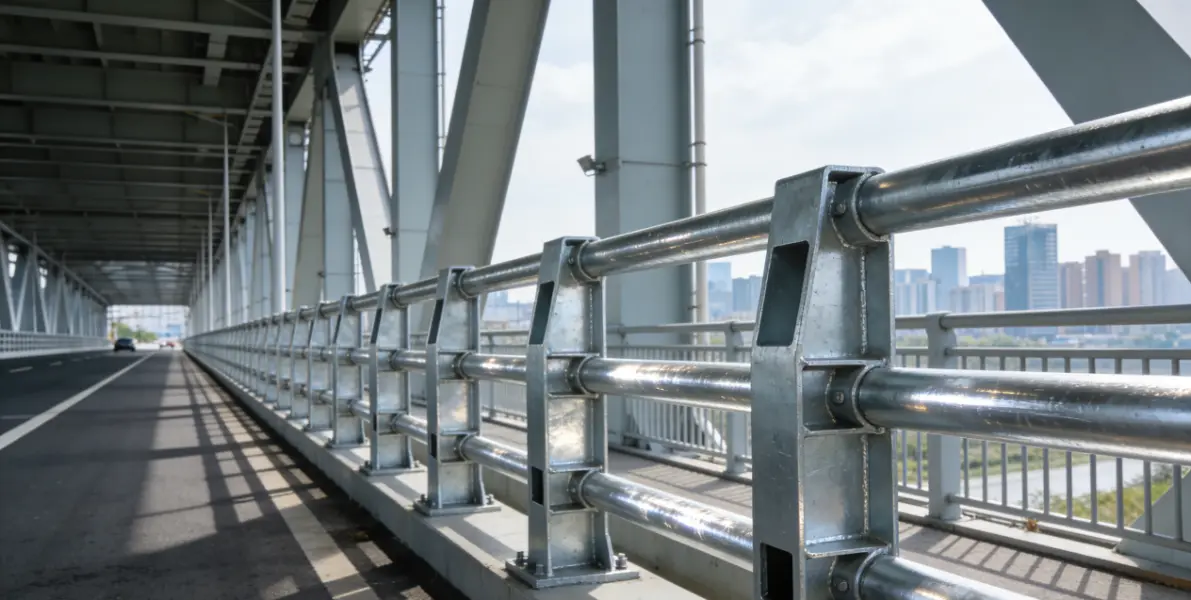
A Balcony PV Bracket is a specially engineered mounting structure used to install solar photovoltaic panels on balconies. Unlike traditional rooftop mounting systems, balcony brackets are designed to accommodate limited installation space while maintaining optimal panel orientation and structural safety.
These systems are widely used in:
- Apartment buildings
- Condominiums
- Urban residential properties
- High-rise buildings
- Small commercial facilities
By converting unused balcony space into a power-generating area, property owners can reduce electricity costs and increase sustainability without requiring extensive roof access.
How Does a Balcony PV Bracket Work?
A Balcony PV Bracket functions as the structural foundation that secures solar panels to balcony surfaces. The bracket system distributes loads evenly while maintaining the required tilt angle for sunlight exposure.
The process generally involves:
- Attaching brackets to balcony railings, walls, or floor surfaces.
- Securing mounting rails onto the brackets.
- Installing solar modules onto the rails.
- Adjusting panel tilt angles for optimal sunlight capture.
- Connecting panels to microinverters or power systems.
The bracket system must withstand wind loads, vibration, temperature changes, and long-term environmental exposure while maintaining stable panel positioning.
Benefits of Using Balcony PV Brackets
Balcony PV Brackets offer numerous advantages for residential and commercial solar installations.
| Benefit | Description |
|---|---|
| Space Utilization | Transforms unused balcony areas into power-generation spaces. |
| Easy Installation | Requires less structural modification compared to rooftop systems. |
| Improved Accessibility | Allows easier maintenance and cleaning. |
| Flexible Design | Supports multiple mounting configurations. |
| Enhanced Safety | Provides secure panel fixation under varying weather conditions. |
| Cost Efficiency | Reduces installation complexity and labor costs. |
These advantages make balcony solar systems particularly attractive for urban environments where roof access may be restricted.
Key Components of a Balcony PV Bracket System
A complete balcony solar mounting solution typically consists of the following components:
- Mounting Brackets – Connect the system to the balcony structure.
- Aluminum Rails – Support solar panel placement.
- Mid Clamps – Secure adjacent panels.
- End Clamps – Lock panel edges firmly.
- Fasteners – Stainless steel bolts, nuts, and washers.
- Tilt Adjustment Mechanisms – Optimize solar exposure.
- Grounding Components – Improve electrical safety.
High-quality components ensure system durability and long-term performance.
Common Materials Used in Balcony PV Brackets
Material selection plays a crucial role in the lifespan and strength of a Balcony PV Bracket.
| Material | Advantages | Applications |
|---|---|---|
| Aluminum Alloy | Lightweight, corrosion-resistant | Most balcony systems |
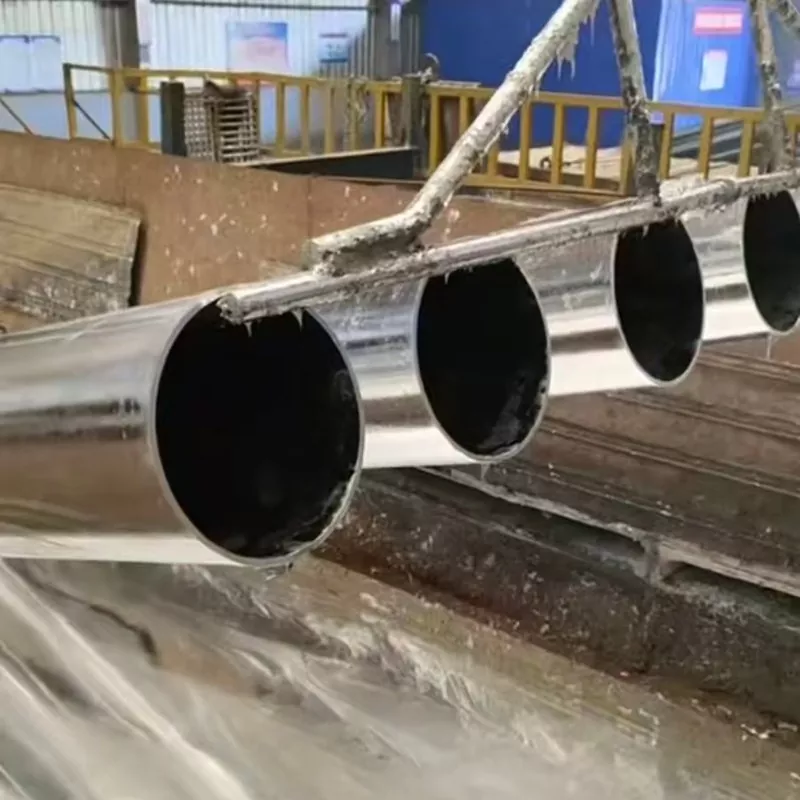
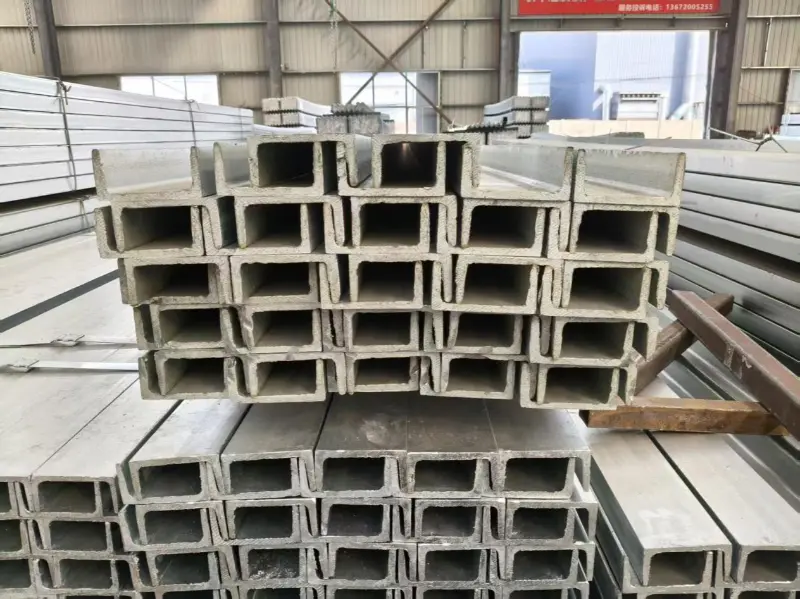
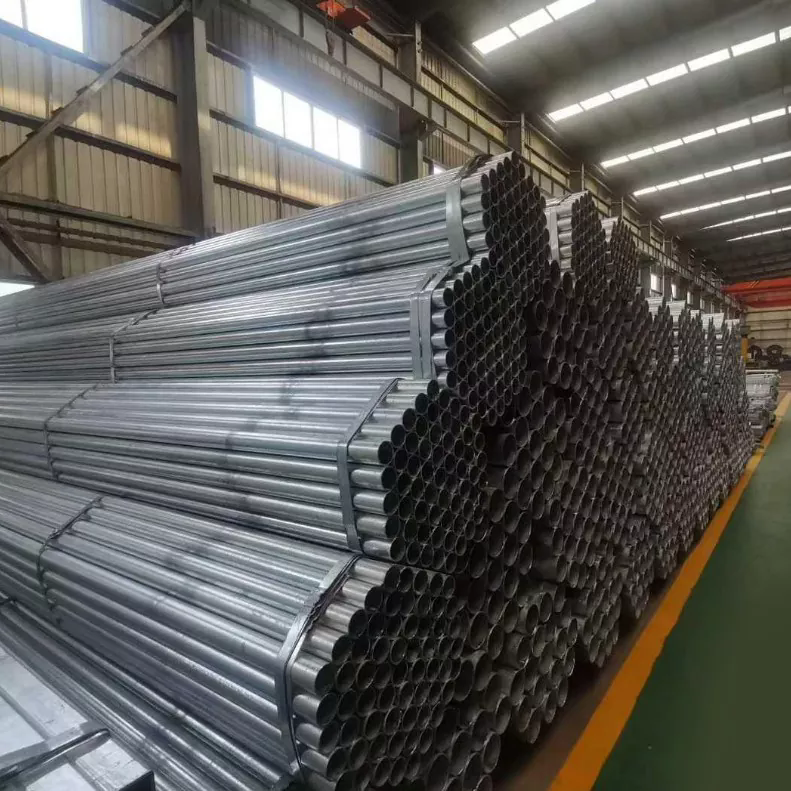
| Hot-Dip Galvanized Steel | High strength and durability | Heavy-load projects |
| Stainless Steel | Excellent corrosion resistance | Fasteners and connectors |
For outdoor solar installations, corrosion resistance is particularly important because mounting systems are continuously exposed to rain, humidity, UV radiation, and temperature fluctuations.
How to Choose the Right Balcony PV Bracket
Selecting an appropriate mounting system requires evaluating several factors:
- Balcony structural strength
- Solar panel dimensions and weight
- Local wind and snow load requirements
- Corrosion resistance needs
- Installation angle requirements
- Building regulations and compliance standards
- Ease of future maintenance
Property owners should ensure the chosen bracket system is compatible with both the solar modules and the balcony structure to prevent unnecessary modifications and installation risks.
Comparison of Balcony Mounting Solutions
| Mounting Type | Installation Difficulty | Flexibility | Maintenance Access |
|---|---|---|---|
| Balcony Railing Mount | Low | High | Excellent |
| Wall-Mounted System | Medium | Medium | Good |
| Floor-Supported Balcony Mount | Medium | High | Excellent |
| Roof-Mounted System | High | High | Limited |
Balcony-specific solutions are often preferred where roof access is unavailable or where installation simplicity is a priority.
Installation Considerations
Proper installation directly affects both safety and power generation efficiency.
- Inspect balcony load-bearing capacity.
- Verify mounting point integrity.
- Follow manufacturer torque specifications.
- Use corrosion-resistant fasteners.
- Ensure adequate drainage around mounting points.
- Maintain proper panel spacing for ventilation.
- Check local building and electrical regulations.
Professional installation is often recommended for larger systems or buildings located in high-wind regions.
Common Mistakes to Avoid
- Ignoring wind load calculations.
- Selecting low-quality mounting materials.
- Using incompatible solar panel sizes.
- Installing without structural assessment.
- Overlooking corrosion protection.
- Failing to optimize tilt angles.
- Neglecting regular maintenance inspections.
Avoiding these mistakes can significantly improve system longevity and overall energy production.
Future Trends in Balcony Solar Systems
Balcony solar technology continues to evolve as urban renewable energy adoption grows. Emerging developments include:
- Adjustable smart mounting systems
- Lighter high-strength structural materials
- Integrated microinverter solutions
- Quick-install modular bracket systems
- Enhanced aerodynamic designs
- Building-integrated photovoltaic applications
These innovations are making balcony solar installations more efficient, accessible, and cost-effective for residential users worldwide.
Frequently Asked Questions
Q1: Are Balcony PV Brackets safe for high-rise buildings?
Yes. When properly engineered and installed according to local structural requirements, Balcony PV Brackets can safely withstand significant wind and environmental loads.
Q2: What is the typical lifespan of a Balcony PV Bracket?
High-quality aluminum and galvanized steel systems typically provide service lives exceeding 20 years with proper maintenance.
Q3: Can balcony brackets support different solar panel sizes?
Most systems are designed with adjustable mounting configurations to accommodate various panel dimensions and weights.
Q4: Do Balcony PV Brackets require regular maintenance?
Routine inspections are recommended to check fastener tightness, corrosion conditions, and overall structural integrity.
Q5: Can I install a Balcony PV Bracket myself?
Small residential systems may be suitable for experienced installers, but professional installation is recommended to ensure compliance and safety.
Conclusion
A Balcony PV Bracket is a practical and efficient solution for maximizing solar energy generation in limited urban spaces. By providing reliable structural support, flexible installation options, and long-term durability, these systems help property owners achieve greater energy independence while utilizing otherwise underused balcony areas.
As a professional manufacturer and supplier of solar mounting solutions, Shunchen is committed to delivering durable, high-performance Balcony PV Bracket systems designed to meet diverse project requirements. Whether you need customized designs, large-scale supply capabilities, or expert technical support, Shunchen can help you find the right solution for your solar installation project.
Ready to improve your balcony solar project with a reliable mounting system? Contact us today to discuss your requirements, request a quotation, and discover how Shunchen can support your renewable energy goals.
Related News
- What Are the Common Lengths Available for Steel Channels?
- How Does Hot-Dip Galvanizing Protect Steel Channels?
- What makes Angle Steel the go-to material for industrial plant maintenance?
- Why Is Hot Dip Galvanized Grating Important for Modern Industry?
- What makes Angle Steel the top choice for transmission tower construction?
- Why Is CARBON STEEL STRUCTURAL ANGLE BAR a Smart Choice for Modern Structural Projects
Leave me a message