How to Choose the Right Galvanized Pipe for Long-Term Performance?
Article Summary
Galvanized pipes are widely used in construction, water systems, and industrial applications due to their corrosion resistance and durability. However, many buyers face challenges when selecting the right type, size, and coating quality. This article provides a comprehensive guide to understanding galvanized pipes, how they work, their advantages, and how to choose the most suitable option based on real-world requirements. Clear tables, structured sections, and practical insights are included to help decision-makers reduce risks and improve project efficiency.
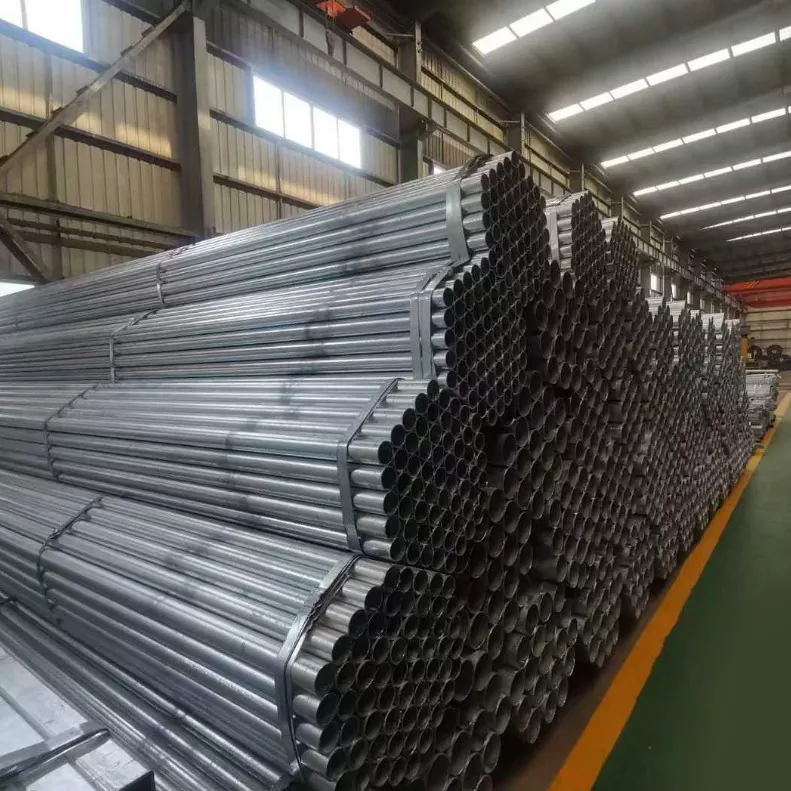
Table of Contents
- 1. What Is a Galvanized Pipe?
- 2. How Does Galvanization Protect Steel Pipes?
- 3. Common Customer Pain Points
- 4. Key Specifications and Parameters
- 5. Types of Galvanized Pipes
- 6. How to Choose the Right Galvanized Pipe
- 7. Application Scenarios
- 8. Installation and Maintenance Tips
- 9. Frequently Asked Questions
- 10. Conclusion
1. What Is a Galvanized Pipe?
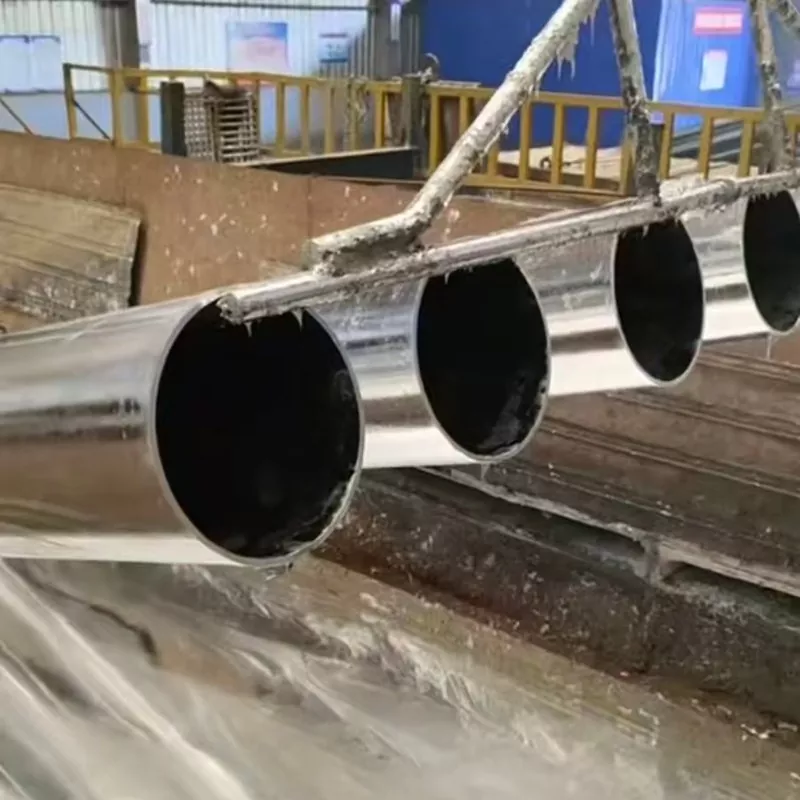
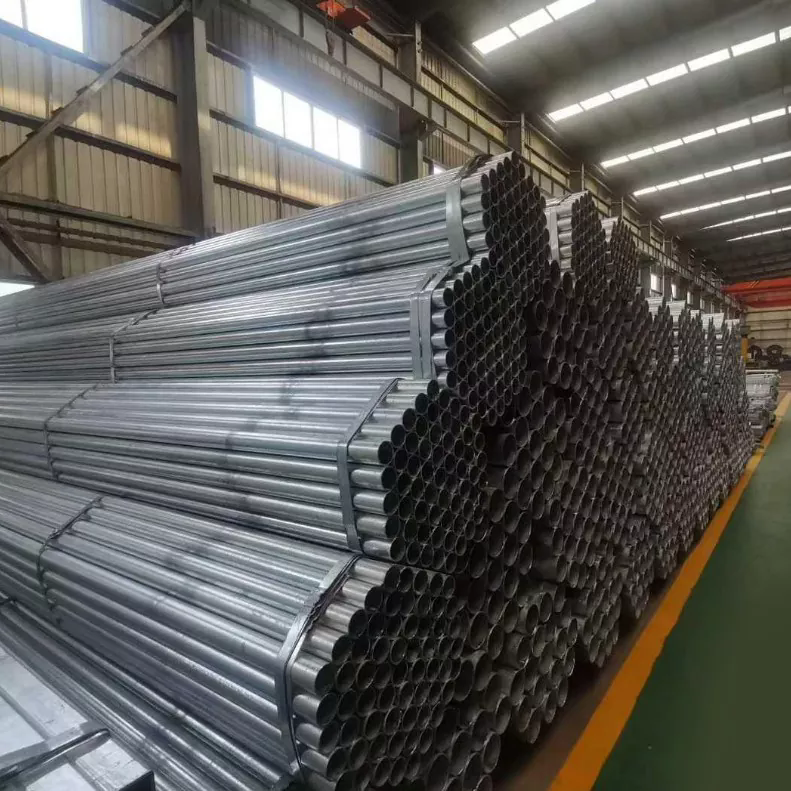
A galvanized pipe is a steel pipe coated with a layer of zinc to prevent corrosion and extend its service life. The zinc coating acts as a protective barrier, shielding the underlying steel from moisture, chemicals, and environmental exposure.
These pipes are commonly used in plumbing systems, structural frameworks, agricultural irrigation, and industrial fluid transport due to their durability and cost-effectiveness.
2. How Does Galvanization Protect Steel Pipes?
Galvanization is a process in which steel is coated with molten zinc through hot-dip or electroplating methods. The zinc layer provides two key forms of protection:
- Barrier Protection: Prevents water and oxygen from reaching the steel surface
- Sacrificial Protection: Zinc corrodes before steel, protecting the base metal
This dual protection mechanism significantly enhances the lifespan of the pipe, even in harsh environments.
3. Common Customer Pain Points
When purchasing galvanized pipes, customers often encounter several challenges:
- Uncertainty about coating thickness and quality
- Confusion between different standards and grades
- Concerns about rusting over time
- Difficulty selecting the correct size and type
- Compatibility with specific applications
Addressing these issues requires a clear understanding of product specifications and reliable supplier support.
4. Key Specifications and Parameters
| Parameter | Description |
| Outer Diameter | Defines pipe size (e.g., 1/2" to 12") |
| Wall Thickness | Measured in mm or schedule (SCH) |
| Zinc Coating | Typically 40–600 g/m² depending on process |
| Length | Standard 6m or customized |
| Material Grade | Q195, Q235, ASTM A53, etc. |
| Surface Finish | Hot-dip galvanized or pre-galvanized |
| Standards | ASTM, BS, DIN, GB |
Manufacturers like Tianjin Shunchen ensure strict quality control across these parameters, providing consistent and reliable products for global applications.
5. Types of Galvanized Pipes
Understanding the different types helps in selecting the correct pipe for specific applications.
- Hot-Dip Galvanized Pipe: Thick coating, excellent corrosion resistance
- Pre-Galvanized Pipe: Lighter coating, suitable for indoor use
- Threaded Galvanized Pipe: Easy installation for plumbing systems
- Seamless Galvanized Pipe: High strength for industrial use
Each type offers unique benefits depending on environmental conditions and load requirements.
6. How to Choose the Right Galvanized Pipe
Selecting the right galvanized pipe requires a systematic approach:
- Identify Application: Water supply, structural use, or industrial transport
- Check Environment: Outdoor exposure requires thicker zinc coating
- Verify Standards: Ensure compliance with project specifications
- Evaluate Supplier: Choose manufacturers with proven quality control
- Consider Budget: Balance cost with long-term durability
Making an informed decision reduces maintenance costs and extends service life.
7. Application Scenarios
Galvanized pipes are used across multiple industries due to their versatility:
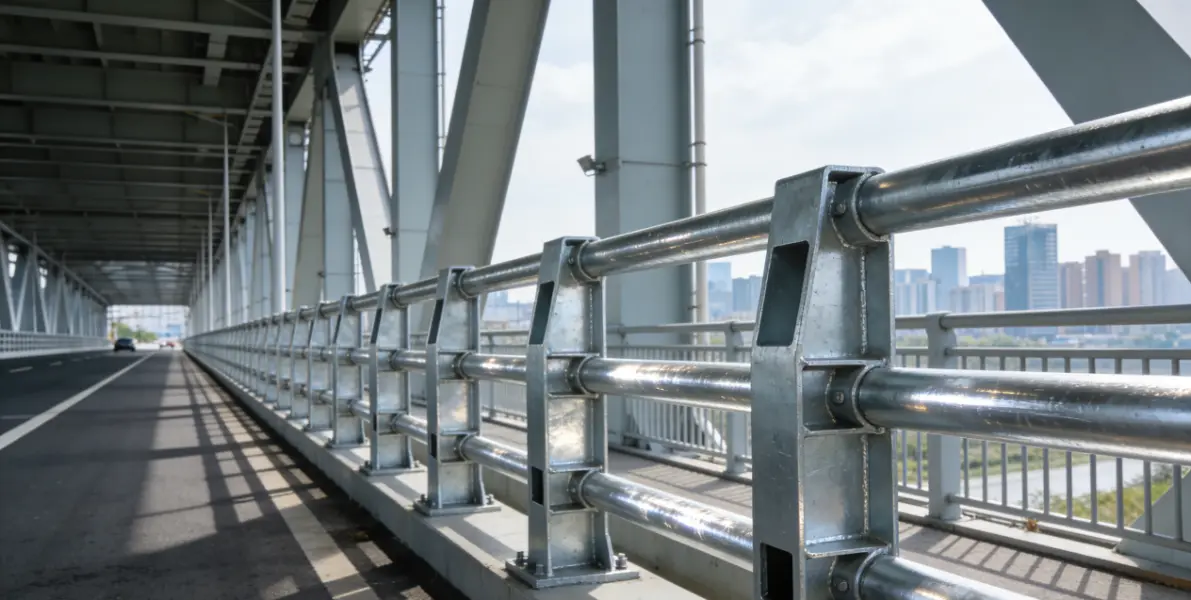
- Construction scaffolding and structural support
- Water supply and drainage systems
- Agricultural irrigation networks
- Oil and gas transportation (non-corrosive environments)
- Fencing and outdoor infrastructure
Their adaptability makes them a preferred choice for both temporary and permanent installations.
8. Installation and Maintenance Tips
Proper installation ensures optimal performance:
- Use compatible fittings to avoid galvanic corrosion
- Avoid excessive cutting that damages zinc coating
- Apply protective coatings on exposed threads
- Inspect regularly for wear or damage
Routine maintenance extends the lifespan and maintains system reliability.
9. Frequently Asked Questions
Q1: How long do galvanized pipes last?
Depending on the environment, galvanized pipes can last 20–50 years, with longer lifespans in dry and indoor conditions.
Q2: Are galvanized pipes suitable for drinking water?
They can be used, but modern systems often prefer alternative materials due to potential mineral buildup over time.
Q3: What is the difference between hot-dip and pre-galvanized pipes?
Hot-dip pipes have a thicker zinc coating and better corrosion resistance, while pre-galvanized pipes are lighter and more cost-effective.
Q4: Can galvanized pipes rust?
Over time, the zinc layer may degrade, especially in harsh environments, leading to eventual rusting if not properly maintained.
10. Conclusion
Choosing the right galvanized pipe is essential for ensuring durability, safety, and cost efficiency in any project. By understanding key specifications, types, and application requirements, buyers can make informed decisions that minimize risk and maximize performance.
Tianjin Shunchen offers high-quality galvanized pipe solutions designed to meet diverse industrial and construction needs with consistent reliability.
For detailed product information and customized solutions tailored to your project requirements, contact us today to get professional support and competitive pricing.
Related News
- What Are the Common Lengths Available for Steel Channels?
- How Does Hot-Dip Galvanizing Protect Steel Channels?
- What makes Angle Steel the go-to material for industrial plant maintenance?
- Why Is Hot Dip Galvanized Grating Important for Modern Industry?
- What makes Angle Steel the top choice for transmission tower construction?
- Why Is CARBON STEEL STRUCTURAL ANGLE BAR a Smart Choice for Modern Structural Projects
Leave me a message