How Is Angle Steel Used in Modern Construction and Manufacturing?
Angle Steel is one of the most widely used structural steel products across construction, manufacturing, infrastructure, transportation, and industrial applications. Thanks to its unique L-shaped profile, high strength-to-weight ratio, and cost-effectiveness, angle steel provides excellent support, reinforcement, and load-bearing capabilities for countless projects.

Whether you are building steel structures, fabricating equipment frames, constructing transmission towers, or strengthening industrial facilities, understanding how angle steel works can help you select the right material while reducing project costs and improving long-term durability.
Article Summary
This comprehensive guide explains how angle steel is used, its major advantages, available types, selection considerations, common applications, and purchasing recommendations. You will also learn how to choose the right angle steel specifications for your project and avoid common mistakes during procurement.
Table of Contents
- What Is Angle Steel?
- Why Is Angle Steel Important?
- Types of Angle Steel
- How Is Angle Steel Used?
- Key Advantages of Angle Steel
- How to Select the Right Angle Steel
- Common Specifications
- Quality Inspection Tips
- Frequently Asked Questions
- Contact Us
What Is Angle Steel?
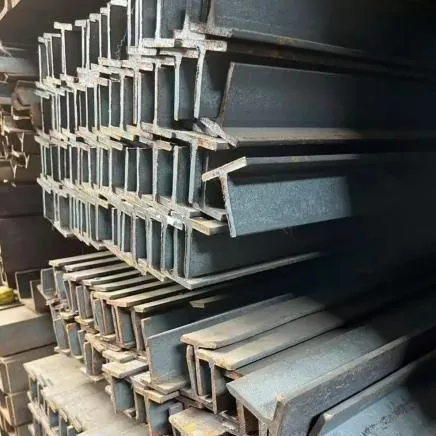
Angle Steel, often referred to as steel angle bar or angle iron, is a structural steel product featuring two perpendicular legs that form a 90-degree angle. The L-shaped configuration delivers excellent rigidity and structural support while remaining lightweight compared to many alternative structural materials.
Angle steel is commonly manufactured through hot rolling processes and is available in carbon steel, galvanized steel, and stainless steel grades depending on the intended application environment.
Its versatility makes it a preferred choice for engineers, architects, fabricators, and contractors worldwide.
Why Is Angle Steel Important?
Modern structures require materials capable of handling heavy loads, resisting deformation, and maintaining stability over decades of service. Angle steel meets these requirements while offering excellent fabrication flexibility.
The shape of angle steel allows forces to be distributed efficiently across connected components, making it ideal for reinforcement and framework applications.
Industries rely on angle steel because it provides:
- High structural strength
- Excellent load-bearing performance
- Easy welding and fabrication
- Cost-effective construction solutions
- Long service life
- Wide availability of sizes and grades
Types of Angle Steel
Angle steel is generally divided into two primary categories.
| Type | Description | Typical Applications |
|---|---|---|
| Equal Angle Steel | Both legs have identical dimensions. | Building structures, towers, supports, machinery frames. |
| Unequal Angle Steel | Leg lengths differ from each other. | Special structural reinforcement and custom engineering projects. |
Depending on environmental requirements, angle steel may also be supplied with galvanized coatings to improve corrosion resistance in outdoor and coastal environments.
How Is Angle Steel Used?
Angle steel serves as a critical component across numerous industries.
Building Construction
Construction companies frequently use angle steel for:
- Steel building frameworks
- Roof truss systems
- Structural bracing
- Support columns
- Stair structures
- Platform reinforcement
Its combination of strength and economical pricing makes it highly attractive for both commercial and residential developments.
Industrial Manufacturing
Manufacturing facilities utilize angle steel when producing:
- Machine bases
- Equipment frames
- Production line structures
- Storage racks
- Protective guards
The material can be cut, drilled, welded, and assembled efficiently, helping manufacturers reduce fabrication time.
Infrastructure Projects
Large-scale infrastructure developments often incorporate angle steel in:
- Transmission towers
- Communication towers
- Railway projects
- Bridge components
- Utility support systems
Its structural reliability helps ensure long-term performance under demanding environmental conditions.
Transportation Industry
Angle steel is widely applied in transportation equipment manufacturing, including:
- Truck frames
- Trailer structures
- Railcar components
- Shipbuilding support systems
The material offers an ideal balance between strength and weight efficiency.
Key Advantages of Angle Steel
| Advantage | Benefit to Customers |
|---|---|
| High Strength | Supports heavy structural loads. |
| Versatility | Suitable for countless fabrication projects. |
| Easy Processing | Can be welded, cut, drilled, and assembled efficiently. |
| Economic Value | Provides excellent performance at competitive costs. |
| Durability | Offers long-term structural stability. |
| Corrosion Resistance Options | Galvanized versions improve outdoor service life. |
How to Select the Right Angle Steel
Selecting the correct angle steel specification is essential for achieving structural safety and cost efficiency.
Consider the following factors before purchasing:
- Load-bearing requirements
- Environmental conditions
- Corrosion exposure levels
- Project lifespan expectations
- Welding and fabrication requirements
- Applicable engineering standards
- Budget constraints
For outdoor projects, galvanized angle steel is often recommended due to its superior resistance to moisture and corrosion.
Common Specifications of Angle Steel
| Leg Size (mm) | Thickness (mm) | Typical Use |
|---|---|---|
| 25 × 25 | 3-5 | Light fabrication projects |
| 40 × 40 | 4-6 | Equipment supports |
| 50 × 50 | 5-8 | Building reinforcement |
| 75 × 75 | 6-10 | Structural frameworks |
| 100 × 100 | 8-12 | Heavy industrial applications |
Actual specifications may vary depending on project requirements and regional standards.
Quality Inspection Tips Before Purchasing
Before placing an order, buyers should evaluate several quality indicators:
- Dimensional accuracy
- Straightness consistency
- Surface quality
- Coating integrity for galvanized products
- Mechanical property certifications
- Material traceability documentation
- Compliance with applicable standards
Working with experienced suppliers can significantly reduce procurement risks and ensure product consistency.
Why Choose Tianjin Shunchen Hongye Enterprise Management Co., Ltd.?
Tianjin Shunchen Hongye Enterprise Management Co., Ltd. specializes in supplying high-quality steel products to customers worldwide. With extensive industry experience, professional service capabilities, and strict quality control procedures, the company provides reliable angle steel solutions for construction, manufacturing, infrastructure, and industrial projects.
Customers benefit from:
- Comprehensive product specifications
- Stable supply capacity
- Competitive pricing
- Strict quality inspection
- Professional export services
- Customized solutions for diverse project needs
Frequently Asked Questions
Q1: What is the difference between equal and unequal angle steel?
Equal angle steel has two legs of the same length, while unequal angle steel features different leg lengths to accommodate specialized structural requirements.
Q2: Is galvanized angle steel better for outdoor use?
Yes. Galvanized angle steel provides enhanced corrosion resistance and is generally preferred for outdoor and high-humidity environments.
Q3: Can angle steel be welded easily?
Most carbon steel angle products offer excellent weldability and fabrication performance when proper welding procedures are followed.
Q4: What industries use angle steel most frequently?
Construction, infrastructure, manufacturing, transportation, telecommunications, and energy industries are among the largest users of angle steel.
Q5: How do I determine the correct angle steel size?
The required size depends on load calculations, structural design requirements, environmental conditions, and applicable engineering standards.
Conclusion
Angle steel remains one of the most important structural materials in modern engineering because of its exceptional strength, flexibility, durability, and cost-effectiveness. Whether used in buildings, industrial facilities, transportation equipment, or infrastructure projects, it continues to provide reliable performance across a wide range of demanding applications.
If you are looking for dependable angle steel products supported by professional service and consistent quality, Tianjin Shunchen Hongye Enterprise Management Co., Ltd. is ready to help. Our experienced team can provide suitable specifications, technical support, and competitive quotations tailored to your project requirements. Contact us today to discuss your needs and discover the most efficient angle steel solution for your business.
Related News
- What Are the Common Lengths Available for Steel Channels?
- How Does Hot-Dip Galvanizing Protect Steel Channels?
- What makes Angle Steel the go-to material for industrial plant maintenance?
- Why Is Hot Dip Galvanized Grating Important for Modern Industry?
- What makes Angle Steel the top choice for transmission tower construction?
- Why Is CARBON STEEL STRUCTURAL ANGLE BAR a Smart Choice for Modern Structural Projects
Leave me a message