How to Choose the Right Steel I Beam for Your Construction Project?
Article Summary: Selecting the correct Steel I Beam is a critical engineering decision that directly impacts structural integrity, safety, and cost efficiency. This comprehensive guide explains how to evaluate load requirements, material grades, dimensions, and application scenarios. Whether you are a contractor, engineer, or procurement specialist, this article will help you avoid common pitfalls and make informed purchasing decisions.
Table of Contents
- 1. Understanding Steel I Beam Basics
- 2. Why Choosing the Right Beam Matters
- 3. Key Factors to Consider
- 4. Types of Steel I Beams
- 5. Size and Load Comparison Table
- 6. Common Applications
- 7. Common Mistakes to Avoid
- 8. Choosing a Reliable Supplier
- 9. Frequently Asked Questions
1. Understanding Steel I Beam Basics
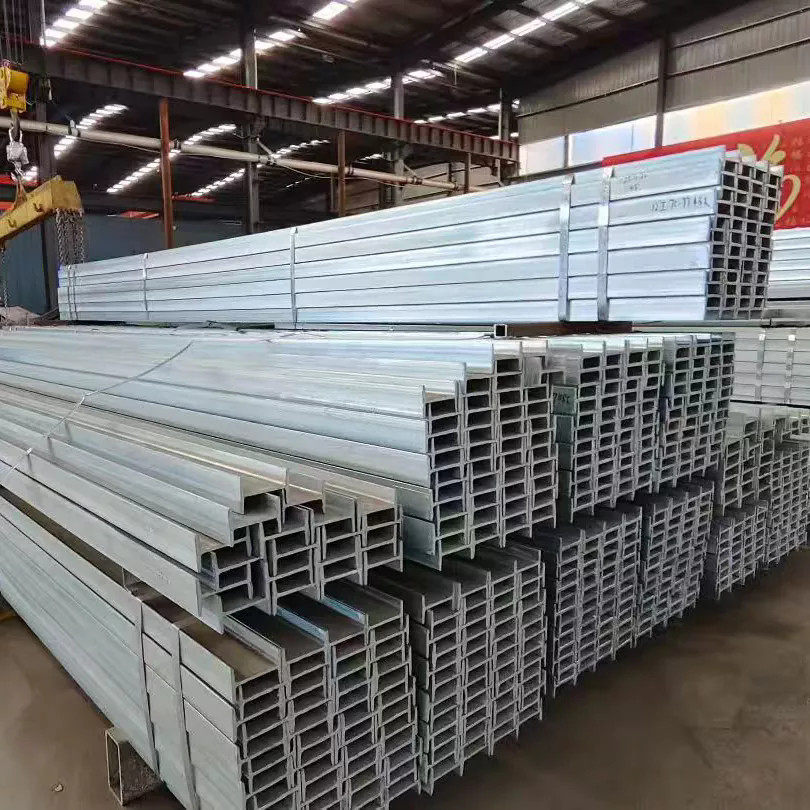
Steel I Beams, also known as H-beams or universal beams, are structural steel components characterized by their “I”-shaped cross-section. This geometry provides exceptional strength-to-weight ratio, making them indispensable in modern construction and infrastructure projects.
The vertical section (web) resists shear forces, while the horizontal flanges handle bending moments. This efficient load distribution allows engineers to design lighter yet stronger structures.
2. Why Choosing the Right Beam Matters
Selecting an incorrect beam size or grade can lead to structural failure, increased costs, or compliance issues. A properly chosen Steel I Beam ensures:
- Structural safety and durability
- Cost-effective material usage
- Compliance with engineering standards
- Optimized load-bearing performance
For example, underestimating load requirements may result in deflection or cracking, while over-specifying leads to unnecessary expense.
3. Key Factors to Consider
When selecting a Steel I Beam, multiple engineering variables must be evaluated:
Load Requirements
Determine the type of load: static, dynamic, or impact. Accurate load calculation is the foundation of beam selection.
Span Length
Longer spans require deeper beams or higher-grade steel to maintain rigidity and prevent deflection.
Material Grade
Common grades include ASTM A36, A992, and others. Each offers different yield strength and ductility characteristics.
Section Dimensions
Key dimensions include flange width, web thickness, and overall depth. These directly influence load capacity.
Environmental Conditions
Corrosive environments may require galvanized or coated beams to ensure longevity.
4. Types of Steel I Beams
Different projects require different beam profiles:
- Standard I-Beam: Ideal for general construction
- Wide Flange Beam (H-Beam): Offers greater load-bearing capacity
- Lightweight Beam: Suitable for smaller structures
- Custom Fabricated Beam: Designed for specialized applications
Choosing the right type depends on both structural requirements and budget constraints.
5. Size and Load Comparison Table
| Beam Size | Height (mm) | Weight (kg/m) | Typical Load Capacity |
|---|---|---|---|
| I100 | 100 | 11.2 | Light structural support |
| I200 | 200 | 25.9 | Medium load applications |
| I300 | 300 | 42.2 | Heavy-duty structures |
| I400 | 400 | 66.0 | High-load industrial use |
6. Common Applications
Steel I Beams are widely used across industries due to their versatility:
- Commercial building frameworks
- Bridges and infrastructure projects
- Industrial warehouses
- Residential construction
- Machinery support structures
Their adaptability makes them a preferred choice for engineers worldwide.
7. Common Mistakes to Avoid
- Ignoring load calculations
- Choosing incorrect material grade
- Overlooking environmental factors
- Working with unreliable suppliers
- Failing to verify certifications
Avoiding these mistakes can significantly reduce project risks and long-term maintenance costs.
8. Choosing a Reliable Supplier
The quality of your Steel I Beam depends heavily on the supplier. A trusted manufacturer ensures consistent material quality, accurate specifications, and timely delivery.
Tianjin Shunchen is a professional supplier specializing in high-quality steel materials. With advanced manufacturing processes and strict quality control systems, Tianjin Shunchen delivers reliable solutions tailored to diverse construction needs.
When evaluating suppliers, consider:
- Certifications and compliance standards
- Production capacity
- Customization capabilities
- Global export experience
9. Frequently Asked Questions
Q1: What is the difference between an I-beam and an H-beam?
I-beams have narrower flanges, while H-beams feature wider flanges and greater load capacity.
Q2: How do I calculate the load capacity?
Load capacity depends on beam size, material grade, and span length. Structural engineers typically perform these calculations using standardized formulas.
Q3: Can Steel I Beams be customized?
Yes, many manufacturers offer custom sizes and specifications to meet project requirements.
Q4: Are Steel I Beams suitable for outdoor use?
Yes, but protective coatings or galvanization are recommended for corrosion resistance.
Q5: How do I ensure product quality?
Work with reputable suppliers like Tianjin Shunchen and verify certifications and testing reports.
Choosing the right Steel I Beam is not just a technical decision—it directly affects the safety, efficiency, and success of your entire project. If you are looking for high-quality materials and expert support, Tianjin Shunchen is ready to meet your needs. Visit our product page or learn more here, and contact us today to get professional guidance and competitive pricing tailored to your project.
Related News
- What Are the Common Lengths Available for Steel Channels?
- How Does Hot-Dip Galvanizing Protect Steel Channels?
- What makes Angle Steel the go-to material for industrial plant maintenance?
- Why Is Hot Dip Galvanized Grating Important for Modern Industry?
- What makes Angle Steel the top choice for transmission tower construction?
- Why Is CARBON STEEL STRUCTURAL ANGLE BAR a Smart Choice for Modern Structural Projects
Leave me a message