How Does Reinforcing Steel Strengthen Modern Construction?
Abstract: Reinforcing steel, commonly referred to as rebar, forms the backbone of modern construction. From high-rise buildings to bridges, these steel bars enhance concrete’s strength, durability, and resilience. This article explores the types, specifications, applications, and benefits of reinforcing steel, helping construction professionals select the right materials for safety and efficiency.
Table of Contents
- Overview of Reinforcing Steel
- Types and Grades
- Key Advantages
- Specifications and Parameters
- Applications in Construction
- Frequently Asked Questions
- Conclusion & Contact
Overview of Reinforcing Steel
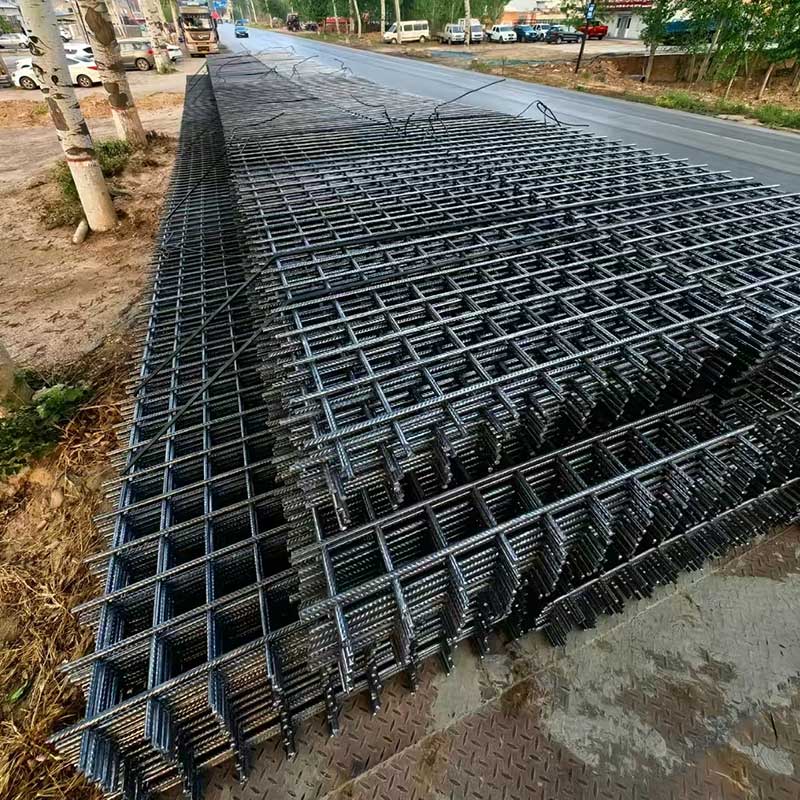
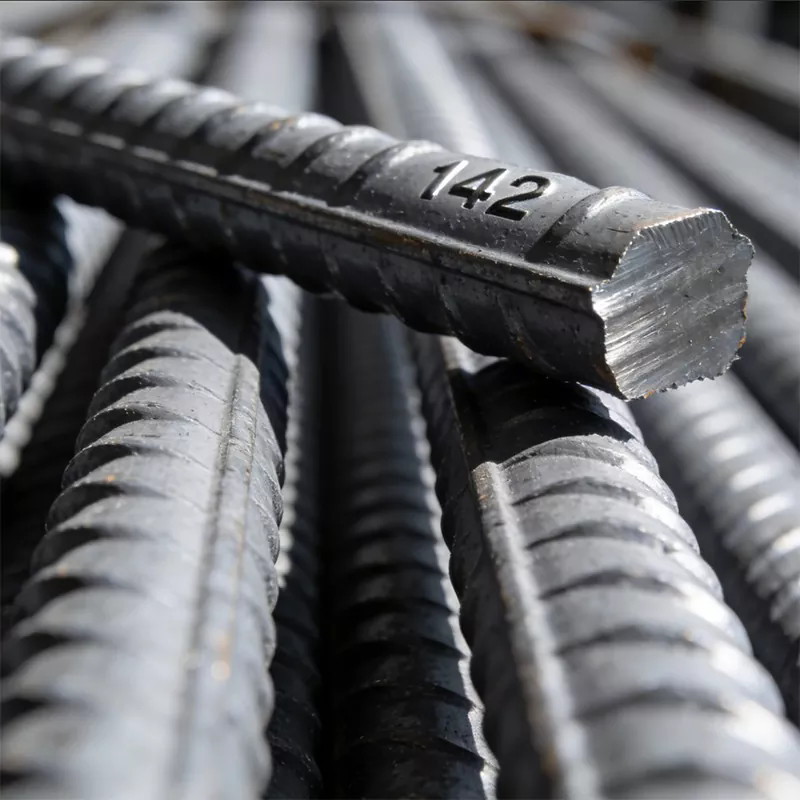
Reinforcing steel, or rebar, is a high-quality steel product with rib patterns on the surface that improve its grip with concrete. It is essential in reinforced concrete structures, acting as a skeleton that absorbs tensile forces and prevents structural failure under heavy loads. By combining tensile strength of steel and compressive strength of concrete, buildings achieve exceptional stability and durability.
Types and Grades of Reinforcing Steel
Reinforcing steel is available in various types and strength grades, allowing engineers to choose materials according to project requirements. Common classifications include:
| Type | Grade | Features | Typical Use |
|---|---|---|---|
| Ribbed Rebar | HRB400, HRB500 | High tensile strength, excellent bonding | High-rise buildings, bridges |
| Smooth Round Steel | Grade 300 | Uniform surface, easy to bend | Residential foundations, light structures |
| Cold-Twisted Steel | HRB400 | Enhanced elasticity and tensile resistance | Infrastructure projects, heavy-duty structures |
Key Advantages of Reinforcing Steel
- Enhanced Strength: Reinforcing steel provides superior tensile strength to concrete structures.
- Durability: Resistant to wear, corrosion (with proper coating), and mechanical stress.
- Flexibility: Suitable for cold bending and welding for complex structural shapes.
- Seismic Resilience: Helps buildings withstand earthquakes and heavy loads.
- Compliance: Meets national and international quality standards.
Specifications and Parameters
Choosing the correct reinforcing steel requires attention to dimensions, strength, and standards:
- Diameter: Common sizes range from 6mm to 32mm
- Length: Typically 6m or 12m per bar
- Tensile Strength: HRB400: 400MPa, HRB500: 500MPa
- Yield Point: Critical for load-bearing calculations
- Elongation: Indicates flexibility before breakage
Applications in Construction
Reinforcing steel is integral to diverse construction projects, including:
- Residential and commercial buildings
- Bridges and overpasses
- High-rise structures and skyscrapers
- Industrial and infrastructure projects
- Foundations, beams, columns, and slabs
Using high-quality steel from reputable suppliers like Shunchen ensures the safety and longevity of every project.
Frequently Asked Questions
Q1: How do I select the right grade of reinforcing steel?
A1: Consider the building type, load requirements, and local construction standards. HRB400 and HRB500 are commonly used for medium and high-strength needs.
Q2: Can reinforcing steel be bent on-site?
A2: Yes, most ribbed rebars allow cold bending within recommended radii without compromising strength.
Q3: How does reinforcing steel prevent concrete cracking?
A3: Steel bars absorb tensile stress that concrete cannot handle, distributing loads evenly and minimizing cracks.
Conclusion & Contact
Reinforcing steel is a cornerstone of safe and durable construction. With proper selection, high tensile strength, and reliable suppliers like Shunchen, projects gain structural integrity and longevity. Ensure your construction materials meet the highest standards to achieve safety, performance, and cost efficiency.
For quality reinforcing steel solutions tailored to your project, contact us today and secure the foundation of your next construction success.
Related News
- What Are the Common Lengths Available for Steel Channels?
- How Does Hot-Dip Galvanizing Protect Steel Channels?
- What makes Angle Steel the go-to material for industrial plant maintenance?
- Why Is Hot Dip Galvanized Grating Important for Modern Industry?
- What makes Angle Steel the top choice for transmission tower construction?
- Why Is CARBON STEEL STRUCTURAL ANGLE BAR a Smart Choice for Modern Structural Projects
Leave me a message