How Does a Steel I Beam Improve Structural Strength in Modern Construction?
Discover how Steel I Beam solutions increase load-bearing capacity, reduce construction costs, and improve long-term structural performance for industrial, commercial, and residential projects.
Article Summary
Steel I Beam products are among the most important structural components used in modern construction and engineering. Their unique “I” shape provides superior strength-to-weight performance, allowing buildings, bridges, warehouses, factories, and infrastructure projects to support heavy loads while minimizing material consumption. This article explains how Steel I Beam systems work, their advantages, applications, selection methods, and maintenance considerations. Whether you are a contractor, engineer, distributor, or project owner, understanding these structural solutions can help reduce project risk and improve efficiency.
Contents
- What Is a Steel I Beam?
- How Steel I Beam Structures Work
- Main Advantages of Steel I Beam Products
- Common Applications in Construction
- How to Choose the Right Steel I Beam
- Comparison Between I Beams and Other Structural Beams
- Key Factors Affecting Beam Performance
- Installation and Maintenance Tips
- Why Manufacturers and Contractors Prefer Shunchen
- Frequently Asked Questions
What Is a Steel I Beam?
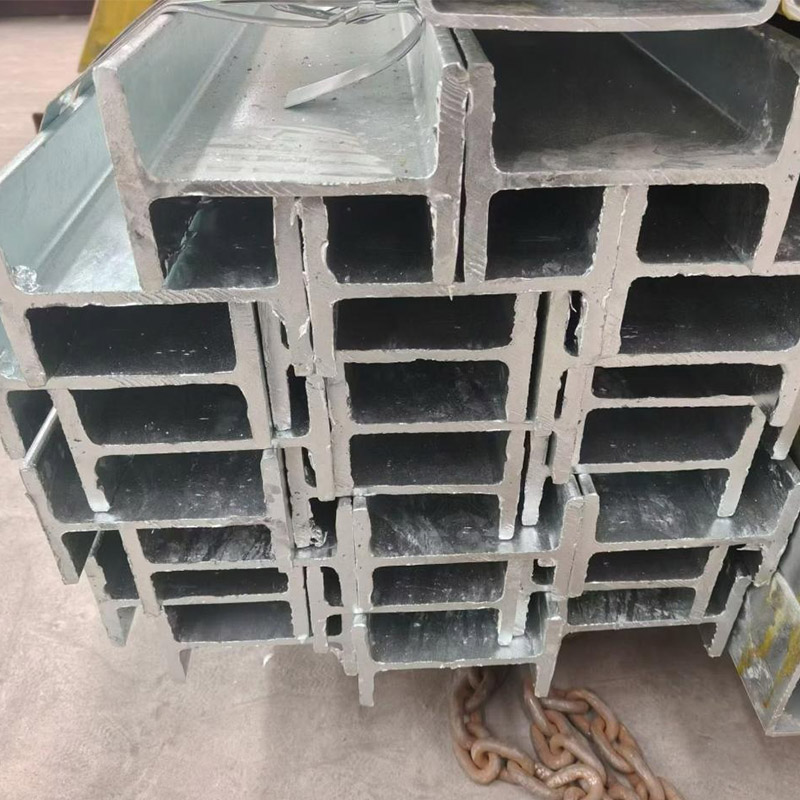
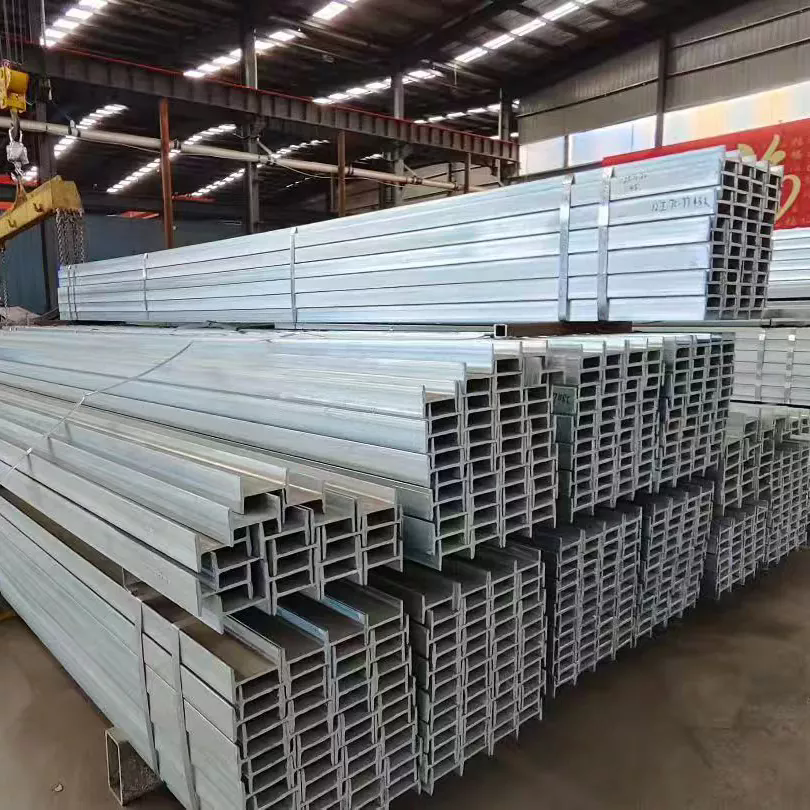
A Steel I Beam is a structural steel component shaped like the letter “I.” It is specifically engineered to withstand bending forces, vertical loads, and structural pressure across long spans. The horizontal sections are called flanges, while the vertical middle section is known as the web.
The design allows the beam to distribute weight efficiently while maintaining excellent structural integrity. Because of this, Steel I Beam products are widely used in commercial buildings, steel workshops, bridges, warehouses, factories, and high-rise structures.
| Component | Function |
|---|---|
| Flange | Resists bending stress and supports loads |
| Web | Handles shear forces and stabilizes the structure |
| Steel Material | Provides durability, strength, and corrosion resistance |
How Steel I Beam Structures Work
Steel I Beam systems work by transferring structural loads from floors, roofs, and upper building sections into vertical columns and foundations. Their geometry maximizes resistance to bending while minimizing unnecessary weight.
Compared with traditional solid rectangular beams, Steel I Beam products provide higher efficiency because most of the material is concentrated in areas that experience the greatest stress.
This engineering advantage helps reduce:
- Material waste
- Overall project weight
- Transportation costs
- Installation time
- Foundation pressure
In modern engineering projects, reducing dead load is essential for improving long-term structural performance and lowering construction expenses.
Main Advantages of Steel I Beam Products
1. High Load-Bearing Capacity
Steel I Beam components are designed to support extremely heavy loads without excessive deformation. This makes them ideal for large-span buildings and industrial structures.
2. Excellent Durability
High-quality structural steel offers long service life, impact resistance, and excellent stability under harsh environmental conditions.
3. Faster Construction
Prefabricated Steel I Beam products simplify on-site assembly, helping contractors reduce labor costs and accelerate project timelines.
4. Cost Efficiency
Although steel may appear expensive initially, its strength and reduced maintenance requirements often lower total lifecycle costs.
5. Design Flexibility
Architects and engineers can use Steel I Beam systems for complex structural designs, open spaces, and large unsupported spans.
Common Applications in Construction
Steel I Beam products are used across multiple industries because of their exceptional versatility and strength.
| Industry | Application |
|---|---|
| Commercial Buildings | Structural frames and floor support systems |
| Industrial Plants | Heavy machinery support and roofing structures |
| Warehouses | Long-span storage structures |
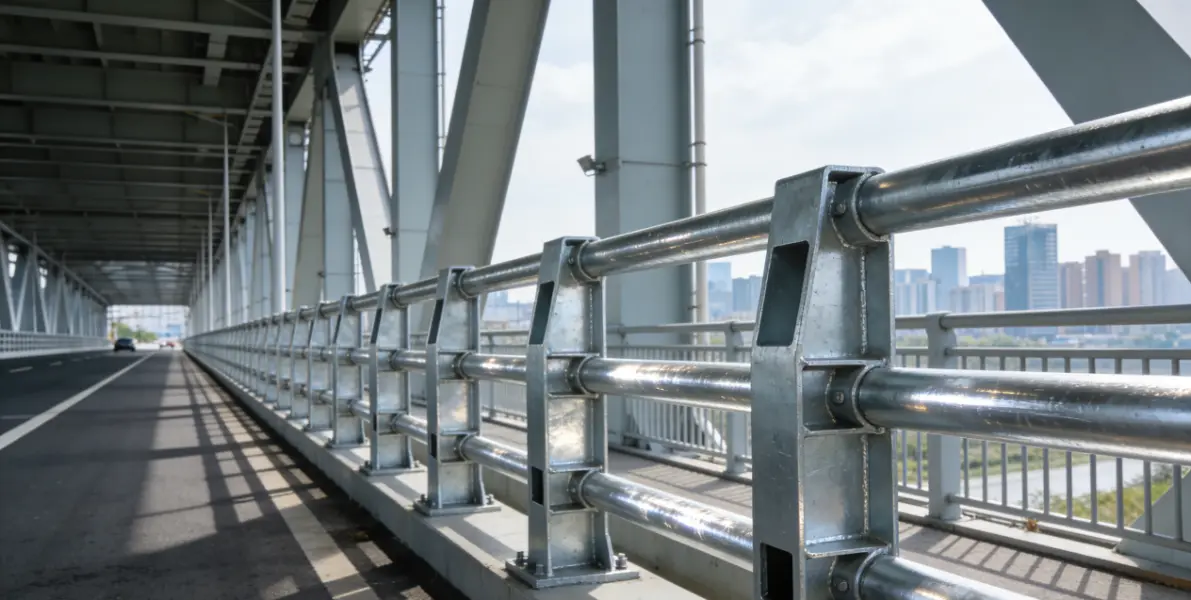
| Bridge Engineering | Load-bearing bridge components |
| Residential Construction | Basement beams and support columns |
Modern infrastructure projects rely heavily on Steel I Beam technology because it provides reliable performance even under demanding operating conditions.
How to Choose the Right Steel I Beam
Selecting the appropriate Steel I Beam depends on several engineering and operational factors. Choosing the wrong size or material can lead to structural issues, safety risks, and unnecessary costs.
Important considerations include:
- Load requirements
- Span length
- Environmental conditions
- Corrosion exposure
- Building code compliance
- Welding and fabrication needs
- Budget limitations
Professional suppliers like Shunchen help contractors and distributors identify suitable beam specifications for different project requirements.
Choosing certified structural steel products can significantly improve project safety, operational reliability, and long-term cost performance.
Comparison Between I Beams and Other Structural Beams
| Beam Type | Advantages | Limitations |
|---|---|---|
| Steel I Beam | High strength, lightweight, long spans | Requires professional fabrication |
| Concrete Beam | Good compression resistance | Heavy and slower installation |
| Wood Beam | Lower initial cost | Limited load capacity and durability |
| H Beam | Excellent heavy-load performance | Heavier than standard I beams |
Key Factors Affecting Beam Performance
Several conditions directly influence Steel I Beam performance throughout its service life.
- Material quality and steel grade
- Protective surface treatment
- Load distribution accuracy
- Environmental exposure
- Welding quality
- Installation precision
- Regular maintenance inspections
Using trusted suppliers is critical because inconsistent steel quality can lead to structural instability and premature failure.
Shunchen focuses on delivering structural steel materials that meet strict industrial quality standards, helping global customers improve construction reliability and operational safety.
Installation and Maintenance Tips
Proper installation is essential for maximizing Steel I Beam performance.
Best practices include:
- Verify beam alignment before fastening
- Inspect welding quality carefully
- Use anti-corrosion coatings when necessary
- Follow engineering load specifications
- Perform periodic structural inspections
- Replace damaged sections immediately
Routine maintenance can significantly extend the service life of steel structures while minimizing operational interruptions.
Why Manufacturers and Contractors Prefer Shunchen
Shunchen provides high-quality Steel I Beam products designed for modern construction, industrial engineering, and infrastructure projects. The company focuses on reliable material sourcing, strict quality inspection, and customized structural steel solutions for global customers.
Customers value Shunchen because of:
- Stable product quality
- Professional export experience
- Custom steel processing support
- Competitive pricing
- Reliable delivery schedules
- Responsive customer service
Whether you are managing a warehouse project, factory construction, bridge engineering task, or commercial building development, selecting dependable Steel I Beam suppliers can greatly reduce project risk.
Frequently Asked Questions
What is the difference between an I beam and an H beam?
I beams generally have narrower flanges and are commonly used for medium-load applications, while H beams are heavier and designed for larger structural loads.
Why are Steel I Beam products widely used in industrial buildings?
They provide high strength, long-span capability, and reduced structural weight, making them ideal for factories and warehouses.
Can Steel I Beams resist corrosion?
Yes. Protective coatings, galvanization, and proper maintenance help improve corrosion resistance and extend service life.
How long does a Steel I Beam structure last?
With proper engineering, installation, and maintenance, Steel I Beam structures can remain reliable for several decades.
How do I select the correct beam size?
Beam selection depends on span length, load requirements, building codes, and environmental conditions. Consulting experienced structural steel suppliers is highly recommended.
Build Stronger Projects with Shunchen
If you are searching for durable, high-performance Steel I Beam solutions for construction, industrial, or infrastructure applications, Shunchen can provide reliable products tailored to your project requirements.
Our experienced team is ready to help you choose the right structural steel materials for improved safety, efficiency, and long-term value.
Contact us today to discuss your Steel I Beam requirements and receive professional support for your next project.
Related News
- Which Structural Differences Matter When Comparing T-Shaped Steel with Angle Steel?
- How Do Hot Rolled and Welded T-Shaped Steel Profiles Differ in Manufacturing and Performance?
- Why Is Octagonal Steel a Core Material for Multiple Industries?
- What Are the Common Lengths Available for Steel Channels?
- How Does Hot-Dip Galvanizing Protect Steel Channels?
- What makes Angle Steel the go-to material for industrial plant maintenance?
Leave me a message