How Does Angle Steel Enhance Structural Strength and Versatility?
Article Summary
Angle steel is one of the most widely used structural steel products in construction, engineering, and industrial fabrication. This article explains its composition, manufacturing process, key applications, and selection criteria. It also addresses common customer concerns such as load capacity, corrosion resistance, and cost efficiency. With clear explanations, technical tables, and practical guidance, this guide helps engineers, contractors, and industrial buyers make informed decisions about using angle steel effectively.
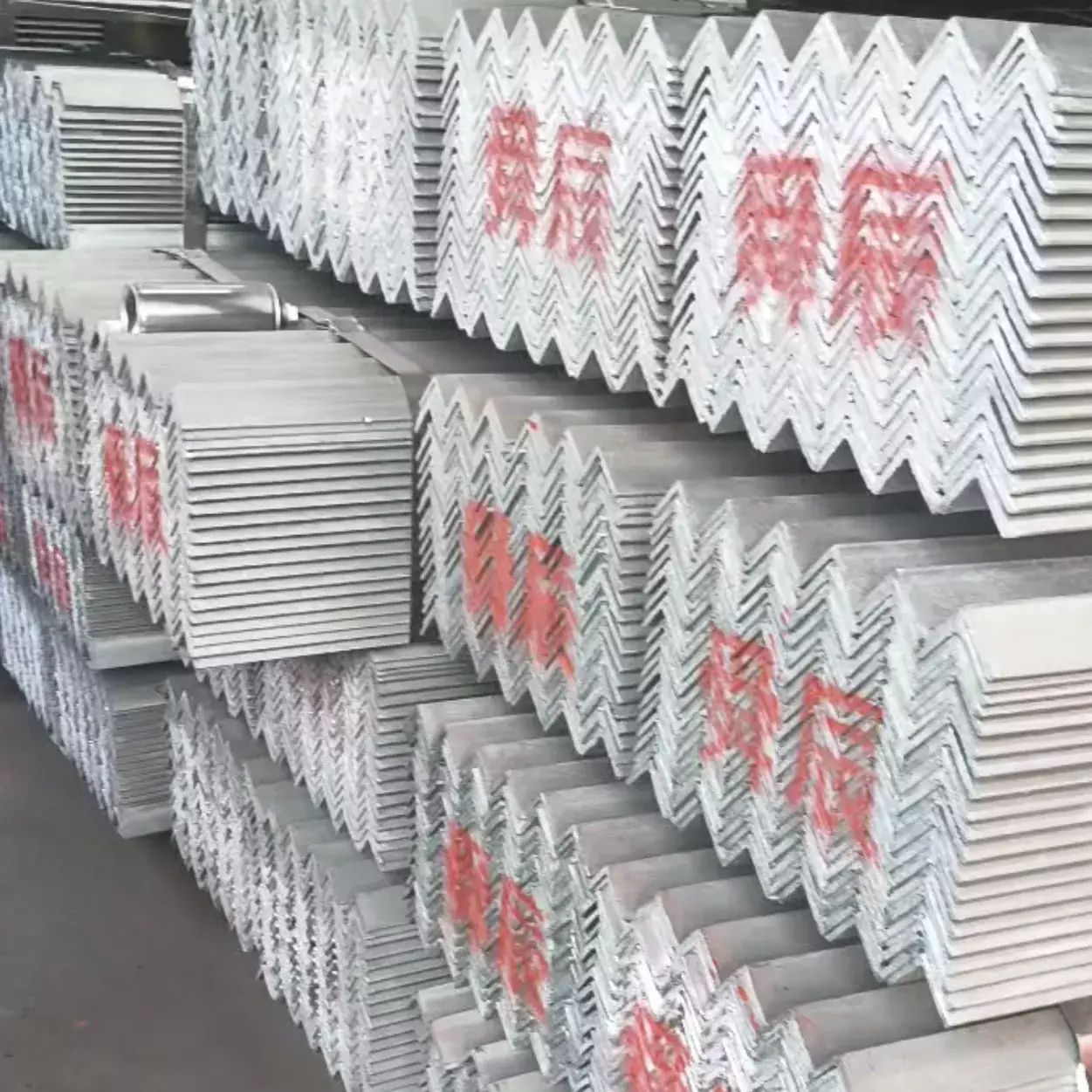
Table of Contents
- 1. What Is Angle Steel?
- 2. How Is Angle Steel Manufactured?
- 3. Key Applications of Angle Steel
- 4. Technical Specifications and Parameters
- 5. Types of Angle Steel
- 6. How to Choose the Right Angle Steel
- 7. Installation and Maintenance Tips
- 8. Frequently Asked Questions
- 9. Conclusion
1. What Is Angle Steel?
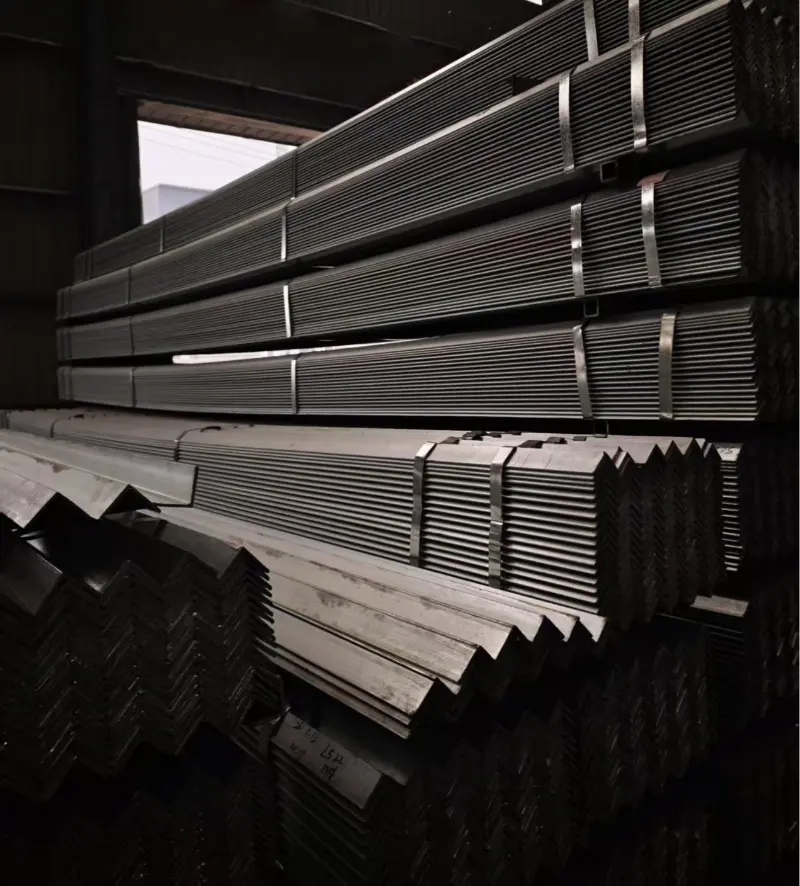
Angle steel, also known as L-shaped steel, is a type of rolled steel formed into an angle section with two legs meeting at a 90-degree angle. It is widely used for structural support, reinforcement, and framing in both construction and industrial applications.
The unique shape of angle steel provides excellent strength-to-weight ratio, making it suitable for load-bearing structures while minimizing material usage.
2. How Is Angle Steel Manufactured?
Angle steel is produced using hot-rolling or cold-forming methods. The process generally involves the following steps:
- Selection of high-quality steel billets
- Heating to the appropriate temperature (hot rolling) or room temperature shaping (cold forming)
- Rolling or pressing to create the L-shaped angle profile
- Cooling and straightening
- Cutting to standard lengths or customized dimensions
Advanced manufacturing ensures consistent dimensions, mechanical properties, and surface quality.
3. Key Applications of Angle Steel
Angle steel is a versatile material used across a variety of industries. Some key applications include:
- Construction: Framework for buildings, bridges, and towers
- Industrial: Machinery frames, storage racks, and supports
- Transportation: Reinforcement for vehicles, trailers, and containers
- Infrastructure: Poles, signposts, and guardrails
- DIY Projects: Shelving, furniture, and custom metalwork
4. Technical Specifications and Parameters
| Parameter | Description |
| Material Grade | Common carbon steel grades such as Q235, Q345 |
| Dimensions | Leg lengths typically 20mm–200mm; thickness 3mm–25mm |
| Length | Standard lengths 6m or 12m; customizable |
| Surface Treatment | Galvanized, painted, or bare steel |
| Mechanical Properties | Yield strength 235–345 MPa, tensile strength 370–500 MPa |
| Compliance | ISO, GB/T, ASTM standards |
Tianjin Shunchen offers high-quality angle steel products that meet international standards for precision, durability, and consistency.
5. Types of Angle Steel
Angle steel comes in several types based on leg symmetry and edge configuration:
- Equal Angle Steel: Legs of equal length; most common for structural applications
- Unequal Angle Steel: Legs of different lengths; used where one leg requires additional support
- Hot-Rolled Angle Steel: Manufactured at high temperature for heavy-duty applications
- Cold-Formed Angle Steel: Shaped at room temperature for lightweight structures and precise dimensions
6. How to Choose the Right Angle Steel
Selecting the correct angle steel requires considering several factors:
- Load Requirements: Determine the maximum load and structural needs
- Environment: Indoor, outdoor, or corrosive environments; galvanization may be necessary
- Dimensions: Leg length, thickness, and overall size based on the project design
- Material Grade: Carbon steel or alloy steel depending on strength and durability requirements
- Budget: Balance cost with performance and lifespan
7. Installation and Maintenance Tips
Proper installation and maintenance ensure structural integrity and long-term performance:
- Ensure accurate measurement and cutting to project specifications
- Use appropriate welding, bolting, or fastening techniques
- Apply protective coatings if exposed to moisture or corrosive environments
- Regularly inspect for signs of rust, deformation, or structural stress
8. Frequently Asked Questions
Q1: What are the advantages of angle steel over other structural steel?
Angle steel provides a high strength-to-weight ratio, easy installation, and versatility in multiple construction and industrial applications.
Q2: Can angle steel be customized?
Yes. Angle steel can be cut, drilled, and coated according to project specifications, making it suitable for specialized applications.
Q3: How long does angle steel last?
With proper installation and protective treatments, angle steel can last for decades, even in outdoor or industrial environments.
Q4: Is galvanization necessary?
Galvanization is recommended for outdoor or high-moisture environments to prevent corrosion and extend the lifespan.
9. Conclusion
Angle steel is a versatile and reliable structural material used across construction, industrial, and transportation applications. Its strength, adaptability, and cost efficiency make it a cornerstone of modern engineering projects.
Tianjin Shunchen offers premium angle steel solutions designed to meet diverse industry requirements. For professional guidance and high-quality products, contact us today to discuss your angle steel needs and project requirements.
Related News
- What Are the Common Lengths Available for Steel Channels?
- How Does Hot-Dip Galvanizing Protect Steel Channels?
- What makes Angle Steel the go-to material for industrial plant maintenance?
- Why Is Hot Dip Galvanized Grating Important for Modern Industry?
- What makes Angle Steel the top choice for transmission tower construction?
- Why Is CARBON STEEL STRUCTURAL ANGLE BAR a Smart Choice for Modern Structural Projects
Leave me a message