Why Is a METAL ROOF SOLAR MOUNT the Best Investment for Long-Term Solar Energy Projects
As more commercial and residential buildings adopt renewable energy, Shunchen provides reliable METAL ROOF SOLAR MOUNT solutions designed for durability, structural stability, and efficient installation. Manufactured from corrosion-resistant materials and engineered for different roof profiles, these mounting systems help maximize photovoltaic performance while reducing maintenance costs throughout the system's service life.
Selecting the right mounting system is just as important as choosing high-quality solar panels. A properly designed metal roof solar mounting system directly affects installation efficiency, structural safety, wind resistance, waterproof performance, and the overall return on investment. This guide explains how metal roof solar mounts work, their advantages, available installation methods, material selection, engineering considerations, maintenance practices, and why they have become the preferred solution for modern photovoltaic projects. Whether you are an EPC contractor, distributor, installer, or project owner, this article provides practical insights to help you choose the most suitable mounting solution.
Contents
- ➜ What Is a Metal Roof Solar Mount?
- ➜ Key Advantages of Metal Roof Solar Mount Systems
- ➜ Which Materials Offer the Best Performance?
- ➜ Comparison of Different Mounting Solutions
- ➜ How to Choose the Right Mounting System
- ➜ Installation Best Practices
- ➜ Maintenance and Service Life
- ➜ Frequently Asked Questions
- ➜ Conclusion
What Is a Metal Roof Solar Mount?
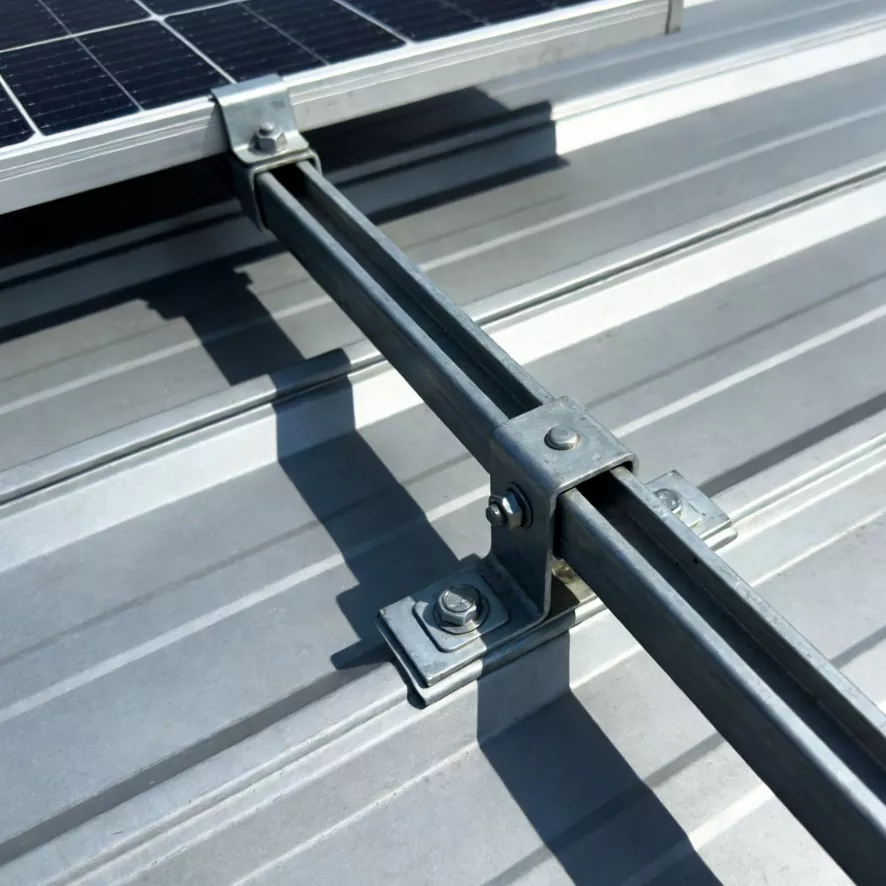
A METAL ROOF SOLAR MOUNT is a structural support system specifically engineered to secure photovoltaic panels onto metal roofing surfaces. Unlike conventional ground-mounted systems, these mounting solutions utilize existing roof structures to reduce land occupation while maximizing available installation space.
Modern systems are compatible with various roof profiles, including standing seam roofs, trapezoidal sheet roofs, corrugated metal roofs, and concealed fixing roofs. Depending on project requirements, installers may choose clamp-based or screw-fixed systems to achieve the optimal balance between structural integrity and waterproof protection.
Because metal roofs already provide excellent durability and longevity, combining them with solar mounting systems creates a highly efficient renewable energy solution capable of operating for over 25 years with minimal maintenance.
Key Advantages of Metal Roof Solar Mount Systems
Excellent Structural Stability
High-strength aluminum rails and stainless steel fasteners ensure the mounting system withstands heavy snow loads, strong winds, and continuous environmental exposure without compromising structural safety.
Fast Installation
Many modern mounting systems utilize pre-assembled components that significantly reduce installation time. Fewer parts also lower labor costs and simplify on-site assembly.
Outstanding Corrosion Resistance
Anodized aluminum combined with SUS304 or SUS316 stainless steel fasteners provides exceptional resistance to rust, moisture, salt spray, and UV exposure, making these systems suitable for coastal and industrial environments.
Lightweight Construction
Compared with steel structures, aluminum mounting systems reduce roof loading while maintaining high mechanical strength, making them suitable for both new buildings and retrofit projects.
Long-Term Economic Benefits
- Reduced installation costs
- Minimal maintenance requirements
- Extended service life
- Improved energy generation efficiency
- Lower lifecycle ownership costs
Which Materials Offer the Best Performance?
Material selection directly determines the lifespan, corrosion resistance, and mechanical performance of a metal roof solar mounting system. Professional manufacturers generally combine lightweight aluminum with high-grade stainless steel hardware to deliver optimal strength and long-term reliability.
| Material | Main Advantages | Typical Applications | Expected Service Life |
|---|---|---|---|
| Anodized Aluminum Alloy | Lightweight, corrosion resistant, easy installation | Most commercial rooftop PV systems | 25+ Years |
| SUS304 Stainless Steel | High strength and excellent rust resistance | Fasteners and clamps | 25+ Years |
| SUS316 Stainless Steel | Superior resistance to salt spray environments | Coastal solar projects | 30+ Years |
| Galvanized Steel | High load capacity with economical pricing | Heavy industrial buildings | 20–25 Years |
Choosing certified materials helps ensure compliance with international engineering standards while minimizing maintenance throughout the entire operating life of the solar installation.
Comparison of Different Mounting Solutions
Not every metal roof uses the same installation method. Selecting the appropriate mounting solution depends on roof structure, waterproof requirements, load calculations, local climate, and installation efficiency.
| Mounting Type | Installation Method | Roof Penetration | Installation Speed | Recommended Application |
|---|---|---|---|---|
| Standing Seam Clamp | Clamp Fixed | No | Very Fast | Standing Seam Roofs |
| L-Foot Bracket | Self-Tapping Screws | Yes | Fast | Corrugated Roofs |
| Mini Rail System | Direct Rail Mounting | Minimal | Very Fast | Commercial Buildings |
| Long Rail System | Continuous Rail Structure | Depends on Roof Type | Moderate | Large Industrial Projects |
Among these options, standing seam clamp systems have become increasingly popular because they avoid roof penetration, helping preserve waterproof integrity while simplifying installation and future maintenance.
How to Choose the Right Metal Roof Solar Mount
Choosing the most appropriate mounting system requires more than comparing prices. A professional evaluation should consider structural engineering, environmental conditions, installation efficiency, and long-term maintenance costs.
Key selection factors include:
- Roof profile compatibility
- Wind and snow load requirements
- Building structural capacity
- Local climate conditions
- Corrosion resistance requirements
- Waterproof performance
- Installation efficiency
- Expected project lifespan
- Warranty and technical support
- Compliance with local building standards
Working with an experienced manufacturer also provides engineering drawings, load calculations, customized bracket designs, and technical support throughout the entire project lifecycle, helping minimize installation risks while improving overall project performance.
Installation Best Practices
Proper installation is essential for maximizing the performance and lifespan of a METAL ROOF SOLAR MOUNT. Even a high-quality mounting system can underperform if it is installed without following engineering standards. Professional installers should always perform a complete roof inspection, verify structural load capacity, and use the correct mounting accessories recommended for the roof profile.
1. Conduct a Comprehensive Roof Assessment
Before installation begins, inspect the roof for corrosion, deformation, loose fasteners, waterproof conditions, and structural integrity. Understanding the roof's condition helps determine the most suitable mounting solution and avoids unexpected issues during construction.
2. Select the Appropriate Mounting Method
- Standing seam roofs are typically installed using non-penetrating clamps.
- Corrugated roofs usually require self-tapping screws with waterproof sealing washers.
- Trapezoidal roofs often utilize mini rail systems for faster installation.
- Large industrial roofs commonly adopt continuous rail systems for enhanced stability.
3. Follow Manufacturer Torque Specifications
Every bolt, clamp, and connector should be tightened according to the manufacturer's recommended torque values. Over-tightening may deform roofing panels, while insufficient tightening can reduce wind resistance.
4. Ensure Proper Waterproof Protection
Where roof penetration is necessary, high-quality EPDM rubber gaskets, waterproof flashing, and corrosion-resistant sealants should be installed to prevent long-term water leakage.
5. Verify Alignment
Accurate rail alignment ensures uniform panel spacing, minimizes stress on solar modules, and contributes to a clean, professional appearance while simplifying future maintenance.
Maintenance and Service Life
One of the greatest advantages of a METAL ROOF SOLAR MOUNT system is its minimal maintenance requirement. Nevertheless, routine inspections help ensure optimal safety and long-term energy production throughout the life of the photovoltaic system.
Recommended Maintenance Schedule
| Inspection Item | Recommended Frequency | Purpose |
|---|---|---|
| Fastener Tightness | Every 12 Months | Prevent loosening caused by vibration or thermal expansion. |
| Corrosion Inspection | Every 12 Months | Identify early signs of environmental damage. |
| Roof Waterproof Check | Every 12 Months | Maintain long-term roof integrity. |
| Rail Alignment | Every 24 Months | Ensure structural stability. |
| Overall System Inspection | After Severe Weather | Confirm mounting safety following storms or heavy snowfall. |
When properly maintained, high-quality aluminum alloy mounting systems can operate reliably for more than 25 years, matching the service life of most photovoltaic modules and significantly reducing the total cost of ownership.
Frequently Asked Questions
1. Can a METAL ROOF SOLAR MOUNT be installed without drilling into the roof?
Yes. Standing seam metal roofs commonly use clamp-based mounting systems that do not require roof penetration, preserving the roof's waterproof performance while simplifying installation.
2. What material is best for long-term outdoor use?
Anodized aluminum alloy combined with SUS304 or SUS316 stainless steel fasteners provides excellent corrosion resistance, lightweight construction, and long-term durability in a wide range of climates.
3. How long does a metal roof solar mounting system typically last?
A professionally designed and correctly installed mounting system generally has a service life of more than 25 years. In many projects, it lasts as long as the solar panels themselves.
4. Are these mounting systems suitable for high-wind regions?
Yes. High-quality systems are engineered to meet strict wind load and snow load standards. Proper structural calculations and certified components are essential for projects located in areas exposed to severe weather conditions.
Conclusion
Choosing the right METAL ROOF SOLAR MOUNT is a critical step toward building a safe, efficient, and long-lasting solar energy system. From superior corrosion resistance and rapid installation to reliable structural performance and low maintenance requirements, modern mounting solutions deliver outstanding value for residential, commercial, and industrial photovoltaic projects. Whether you are planning a new installation or upgrading an existing rooftop system, partnering with an experienced manufacturer ensures dependable engineering support and consistent product quality.
If you are looking for customized metal roof solar mounting solutions that combine durability, precision engineering, and competitive manufacturing capabilities, contact us today. Our experienced team is ready to help you select the ideal solution for your project, provide professional technical guidance, and support your business with reliable products and responsive service.
Related News
- How Do Hot Rolled and Welded T-Shaped Steel Profiles Differ in Manufacturing and Performance?
- Why Is Octagonal Steel a Core Material for Multiple Industries?
- What Are the Common Lengths Available for Steel Channels?
- How Does Hot-Dip Galvanizing Protect Steel Channels?
- What makes Angle Steel the go-to material for industrial plant maintenance?
- Why Is Hot Dip Galvanized Grating Important for Modern Industry?
Leave me a message