How Does Hot-Dip Galvanizing Protect Steel Channels?
Steel channels are among the most versatile and widely used structural components in modern construction. From building frames and bridge supports to industrial platforms and transmission towers, these C-shaped or U-shaped sections carry loads, provide stability, and form the backbone of countless structures. However, steel has a fundamental vulnerability: it corrodes when exposed to moisture and oxygen. The annual global cost of corrosion is estimated to be over $2.5 trillion, and for structural steel, corrosion is a leading cause of premature failure, costly maintenance, and safety hazards. This is where hot-dip galvanizing enters the picture.
Hot-dip galvanizing is a metallurgical process that applies a protective zinc coating to steel channels by immersing them in molten zinc. Unlike paint or other surface coatings that merely adhere to the surface, hot-dip galvanizing creates a metallurgical bond between the zinc and the steel, forming a series of zinc-iron alloy layers that are an integral part of the steel's surface. This coating provides a powerful, dual-action protective mechanism. First, the zinc acts as a physical barrier, sealing the steel from the corrosive environment. Second, if the coating is damaged, the zinc sacrificially protects the exposed steel, corroding preferentially to preserve the structural integrity of the channel. This article will provide a comprehensive technical analysis of how hot-dip galvanizing protects steel channels, examining the process, the coating specifications, the performance characteristics, and the factors that determine the service life of the galvanized product.
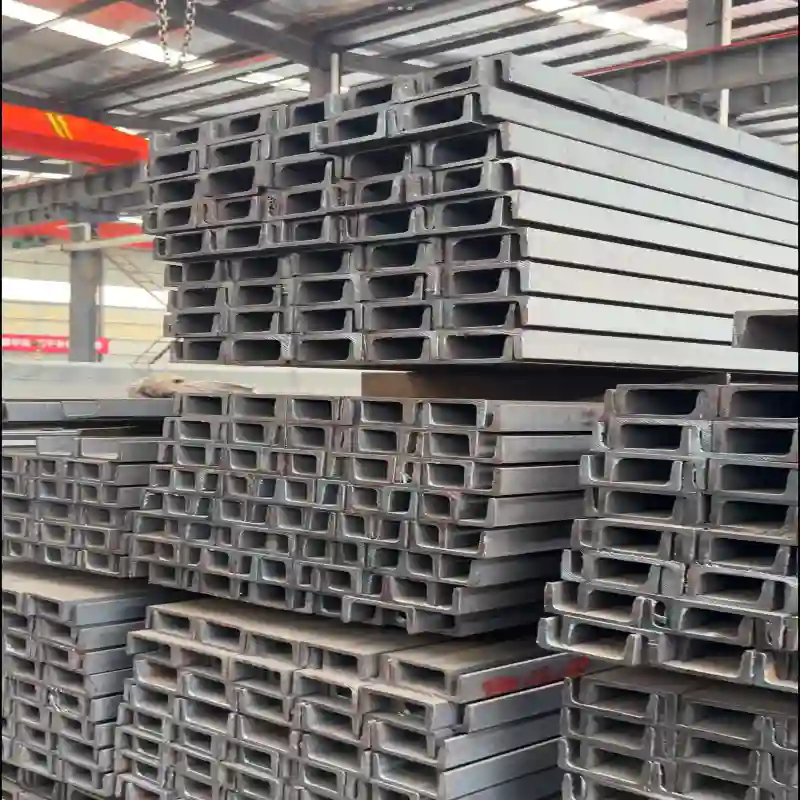
Table of Contents
- 1. What Is Hot-Dip Galvanizing and How Does It Work?
- 2. The Science of Sacrificial Protection and Barrier Defense
- 3. What Are the Coating Specifications for Galvanized Steel Channels?
- 4. How Does Hot-Dip Galvanizing Compare to Other Corrosion Protection Methods?
- 5. What Factors Determine the Service Life of Galvanized Steel Channels?
- 6. Frequently Asked Questions (FAQ)
- 7. Conclusion
1. What Is Hot-Dip Galvanizing and How Does It Work?
Hot-dip galvanizing is a process in which cleaned steel is immersed in a bath of molten zinc at a temperature of approximately 450°C (840°F). The process is well-established and has been used for over 150 years. It is governed by international standards, including ASTM A123 (for structural steel), ISO 1461, and EN ISO 1461. The process is not a simple coating application; it is a metallurgical reaction that results in a unique, multi-layered coating that is bonded to the steel at the atomic level.
The hot-dip galvanizing process begins with surface preparation, which is critical to the success of the coating. Steel channels must be thoroughly cleaned to remove all oil, grease, dirt, and scale. The cleaning process typically involves three stages:
- Degreasing: The steel is immersed in a hot alkaline solution or a solvent to remove oils and greases.
- Pickling: The steel is immersed in a dilute acid solution (typically hydrochloric or sulfuric acid) to remove mill scale and rust.
- Fluxing: The steel is immersed in a flux solution (typically zinc ammonium chloride) to remove any remaining oxides and to prevent oxidation before the steel enters the zinc bath. The flux also promotes the metallurgical reaction between the zinc and the steel.
After surface preparation, the steel channel is dried and then immersed in the molten zinc bath. The temperature of the bath is carefully controlled, typically between 445°C and 465°C. When the steel is immersed, the zinc reacts with the iron in the steel to form a series of zinc-iron alloy layers. The outermost layer is nearly pure zinc, while the inner layers are intermetallic compounds with increasing iron content. The thickness of the coating depends on several factors, including the steel's chemistry, the bath temperature, the immersion time, and the withdrawal rate. After withdrawal from the bath, the channel is cooled, typically in air or a water quench. The result is a coating that is hard, abrasion-resistant, and metallurgically bonded to the steel. At Tianjin Shunchen Hongye Enterprise Management Co., Ltd., our factory operates a state-of-the-art hot-dip galvanizing line that is designed to handle a wide range of steel channel sizes and specifications.
2. The Science of Sacrificial Protection and Barrier Defense
The corrosion protection provided by hot-dip galvanizing is based on two distinct mechanisms: barrier protection and sacrificial protection. Understanding these mechanisms is essential to appreciating why galvanized steel channels perform so well in demanding environments.
Barrier Protection: The zinc coating acts as a physical barrier between the steel and the corrosive environment. As long as the coating is intact, it prevents moisture, oxygen, and other corrosive agents from reaching the steel surface. The zinc itself is highly corrosion-resistant in most atmospheric environments. When exposed to air, zinc forms a thin, adherent layer of zinc oxide and zinc carbonate, known as the patina, which is stable and protects the underlying zinc from further corrosion. This patina is self-healing and gradually develops a protective barrier that can last for decades.
Sacrificial Protection: This is the unique advantage of galvanizing. Zinc is more electrochemically active (anodic) than steel. When the coating is damaged and the steel is exposed, a galvanic cell is formed in the presence of an electrolyte (such as moisture). The zinc acts as the anode and corrodes preferentially, while the steel acts as the cathode and is protected from corrosion. This means that even if the coating is scratched or cut, the steel around the damaged area is still protected. The zinc will continue to sacrifice itself until it is consumed. This is a critical advantage over barrier-only coatings, such as paint, which fail completely once the coating is breached.
The following table summarizes the two protection mechanisms:
| Protection Mechanism | How It Works | Advantage | Limitation |
| Barrier Protection | Zinc coating physically seals the steel from the environment. | Prevents corrosion as long as the coating is intact. | Fails if the coating is damaged. |
| Sacrificial Protection | Zinc corrodes preferentially to protect exposed steel. | Protects steel even if the coating is damaged. | Consumes zinc over time; effective only within a certain distance. |
The combination of these two mechanisms is what makes hot-dip galvanizing so effective. The barrier protection provides long-term protection in the absence of damage, while the sacrificial protection provides a safety net in the event of damage. This is particularly important for steel channels that are handled during transportation and installation, as they are likely to sustain some surface damage. At Shunchen, we have conducted extensive field studies on the performance of our galvanized steel channels, and the results consistently show that they provide reliable protection for decades, even in harsh environments.
3. What Are the Coating Specifications for Galvanized Steel Channels?
The performance of a hot-dip galvanized coating is determined by its thickness, adherence, and uniformity. These characteristics are specified in international standards, which provide the requirements for coating mass and thickness for different material thicknesses. The most widely used standards for hot-dip galvanizing of steel channels are ASTM A123 (for structural steel products) and ISO 1461. These standards specify the minimum coating thickness for various steel thickness ranges. The coating thickness is typically measured in micrometers (µm) or in ounces per square foot (oz/ft²).
The following table provides the minimum coating requirements for hot-dip galvanized steel channels according to ASTM A123:
| Steel Thickness (mm) | Minimum Coating Thickness (µm) | Minimum Coating Mass (g/m²) | Typical Application |
| ≥ 6.0 mm | 85 µm | 610 g/m² | Heavy structural channels, bridge girders |
| 3.0 - 6.0 mm | 70 µm | 505 g/m² | Building frames, industrial platforms |
| 1.5 - 3.0 mm | 55 µm | 395 g/m² | Light structural channels, supports |
| < 1.5 mm | 45 µm | 325 g/m² | Non-structural channels, trim |
The coating thickness is not uniform across the entire channel. The coating is typically thicker at the edges and corners due to the geometry of the steel and the flow of molten zinc during withdrawal. The coating may be thinner on flat surfaces. The standards account for this by specifying an average coating thickness and a minimum local thickness. The average coating thickness must meet the specified minimum, and the local thickness must not fall below a certain percentage (typically 80%) of the minimum average thickness.
In addition to thickness, the coating must also have good adherence to the steel substrate. Poor adherence can result in the coating flaking or peeling off, which compromises both barrier and sacrificial protection. Adherence is assessed by a bend test or a chisel test. The coating must not flake or peel when the steel is bent or struck.
At Tianjin Shunchen Hongye Enterprise Management Co., Ltd., our factory adheres to the strictest international standards for hot-dip galvanizing. We use a proprietary process that ensures a uniform, adherent coating on all our steel channels. We also provide test certificates with every order, documenting the coating thickness, mass, and adherence for each batch. This commitment to quality ensures that our galvanized steel channels provide reliable, long-term corrosion protection for our customers.
4. How Does Hot-Dip Galvanizing Compare to Other Corrosion Protection Methods?
Hot-dip galvanizing is not the only method for protecting steel channels from corrosion. Other common methods include painting, powder coating, electroplating, and the use of weathering steel (such as Corten steel). Each method has its own advantages and disadvantages, and the choice of method depends on the application, the environmental conditions, and the desired service life.
Painting: Painting is a common and cost-effective method for protecting steel channels. However, paint is a barrier-only coating. If the paint is scratched or damaged, the steel is exposed and will begin to corrode. The corrosion will spread under the paint film, causing it to blister and peel. Paint also requires regular maintenance, with repainting typically required every 5-10 years. Hot-dip galvanizing, by contrast, provides both barrier and sacrificial protection, and has a maintenance-free service life that can exceed 50 years in many environments.
Powder Coating: Powder coating is a durable, attractive finish that is applied electrostatically and then cured under heat. It provides good barrier protection and is available in a wide range of colors. However, like paint, it does not provide sacrificial protection. It is also susceptible to damage from impact and abrasion. Powder coating is often used as a topcoat over galvanizing (a process known as duplex coating) to provide both corrosion protection and an aesthetically pleasing finish.
Electroplating: Electroplating is a process that uses an electric current to deposit a thin layer of zinc or another metal onto the steel. The coating is typically much thinner than that produced by hot-dip galvanizing (typically 5-15 µm), and it does not form the same metallurgical bond. Electroplated coatings are suitable for indoor applications or for use as a primer, but they are not recommended for outdoor or harsh environments.
Weathering Steel: Weathering steel, such as Corten, is a high-strength, low-alloy steel that forms a protective rust layer (patina) when exposed to the atmosphere. This patina acts as a barrier to further corrosion. However, the patina may not form properly in all environments, and it can be stained by runoff. Weathering steel is not a coating; it is a different material, and it is more expensive than standard carbon steel.
The following table compares the performance and cost characteristics of these methods:
| Method | Protection Mechanism | Typical Service Life (Outdoor) | Maintenance Requirement | Relative Cost |
| Hot-Dip Galvanizing | Barrier + Sacrificial | 50+ years | Low (inspection only) | Medium |
| Painting | Barrier only | 5-10 years | High (repainting) | Low |
| Powder Coating | Barrier only | 10-15 years | Medium | Medium |
| Electroplating | Barrier only | 2-5 years | Medium | Low |
| Weathering Steel | Barrier (patina) | 30-50 years | Low | High |
As the table illustrates, hot-dip galvanizing offers the best combination of long service life, low maintenance, and effective protection. This is why it is the preferred method for protecting steel channels in demanding applications, such as bridges, transmission towers, and industrial structures. At Shunchen, we are committed to providing our customers with high-quality hot-dip galvanized steel channels that meet the most demanding specifications.
5. What Factors Determine the Service Life of Galvanized Steel Channels?
The service life of a hot-dip galvanized steel channel is determined by the rate at which the zinc coating corrodes. The corrosion rate of zinc depends on the environment to which it is exposed. In general, the service life of the coating is directly proportional to its thickness and inversely proportional to the corrosion rate of the environment. The following factors are the most important determinants of service life:
- Coating Thickness: A thicker coating provides a longer service life. The relationship is approximately linear. For example, a coating of 85 µm will last approximately twice as long as a coating of 45 µm in the same environment.
- Atmospheric Conditions: The most important environmental factor is the corrosivity of the atmosphere. The corrosivity is determined by the levels of moisture, sulfur dioxide, chlorides (from salt spray), and other pollutants. Environments are classified from C1 (very low corrosivity, e.g., dry indoor) to C5 (very high corrosivity, e.g., coastal or industrial).
- Temperature: The corrosion rate of zinc increases with temperature. However, the effect is not as pronounced as for steel. In most atmospheric environments, the temperature is not a major factor.
- Time of Wetness: The duration for which the surface is wet is a critical factor. The longer the surface remains wet, the higher the corrosion rate. This is why sheltered areas that remain damp are more corrosive than exposed areas that dry quickly.
- pH of the Environment: Zinc is resistant to corrosion in the pH range of 6 to 12. Outside this range, the corrosion rate increases. Acidic environments (pH < 6) and strongly alkaline environments (pH > 12) can attack the zinc coating.
The service life of a galvanized steel channel can be estimated using the following formula:
Service Life (years) = Coating Thickness (µm) / Corrosion Rate (µm/year)
The corrosion rate is determined by the environment and can be obtained from published tables, such as those in ISO 9223. For example, in an urban environment (C3), the corrosion rate of zinc is approximately 1.5 µm/year. Therefore, a coating of 85 µm would provide a service life of approximately 57 years. In a coastal environment (C5), the corrosion rate is approximately 4.0 µm/year, so the same coating would provide a service life of approximately 21 years.
The following table provides typical corrosion rates and estimated service lives for different environments:
| Environment (Corrosivity Category) | Corrosion Rate (µm/year) | Estimated Service Life for 85 µm Coating |
| C1 (Very Low - Dry Indoor) | < 0.1 | > 100 years |
| C2 (Low - Rural) | 0.1 - 0.7 | 60 - 100 years |
| C3 (Medium - Urban) | 0.7 - 2.0 | 40 - 80 years |
| C4 (High - Industrial) | 2.0 - 4.0 | 20 - 40 years |
| C5 (Very High - Coastal/Marine) | 4.0 - 8.0 | 10 - 20 years |
At Shunchen, we provide our customers with detailed information on the expected service life of our galvanized steel channels in different environments. We also offer a range of coating thicknesses to meet the specific requirements of each project. Our technical team can assist with the selection of the appropriate coating thickness for your application.
6. Frequently Asked Questions (FAQ)
Question 1: How long does the hot-dip galvanizing process take?
Answer: The hot-dip galvanizing process itself takes approximately 5-15 minutes, depending on the size and thickness of the steel channel. However, the entire process, including surface preparation (degreasing, pickling, and fluxing), drying, immersion, and cooling, takes several hours. At Tianjin Shunchen Hongye Enterprise Management Co., Ltd., our factory has a high-capacity production line that allows us to handle large volumes of steel channels efficiently.
Question 2: Can galvanized steel channels be welded?
Answer: Yes, galvanized steel channels can be welded. However, the welding process will damage the zinc coating in the heat-affected zone, leaving the steel exposed to corrosion. To restore the corrosion protection, the welded area should be repaired using a zinc-rich paint or a hot-dip galvanizing repair stick. Our factory provides welded galvanized steel channels and can recommend the appropriate repair method for your application.
Question 3: What is the difference between hot-dip galvanizing and electro-galvanizing?
Answer: Hot-dip galvanizing involves immersing the steel in molten zinc, which creates a metallurgical bond and a coating thickness of 45-85 µm or more. Electro-galvanizing uses an electric current to deposit a thin layer of zinc (typically 5-15 µm) on the steel. Hot-dip galvanizing provides superior corrosion protection and is suitable for outdoor and harsh environments. Electro-galvanizing is suitable for indoor applications and is often used as a primer for painting.
Question 4: Does the zinc coating on a galvanized steel channel affect its strength?
Answer: The zinc coating does not affect the structural strength of the steel channel. The coating is applied after the steel has been formed and fabricated. The heat of the galvanizing process is not high enough to alter the mechanical properties of the steel. However, the galvanizing process can cause slight changes in the dimensions of the channel due to the addition of the coating thickness, but this is typically negligible.
Question 5: Can galvanized steel channels be used in contact with other metals?
Answer: Galvanized steel channels can be used in contact with most other metals. However, in the presence of moisture, a galvanic reaction can occur between the zinc coating and more noble metals, such as copper or stainless steel. In these cases, the zinc will corrode preferentially. To prevent this, an insulating barrier (such as a plastic washer or a painted surface) should be used between the galvanized steel and the other metal. Our factory can provide advice on the compatibility of galvanized steel channels with other materials.
7. Conclusion
Hot-dip galvanizing is the most effective and widely used method for protecting steel channels from corrosion. Its dual-action protection mechanism—barrier protection and sacrificial protection—provides long-term, maintenance-free performance in a wide range of environments. The metallurgical bond between the zinc and the steel ensures that the coating is an integral part of the channel, providing durability and resistance to damage. The service life of a galvanized steel channel is determined by the coating thickness and the corrosivity of the environment, and can range from 20 to over 100 years. For structural engineers, contractors, and asset owners, hot-dip galvanized steel channels offer the best combination of performance, durability, and cost-effectiveness.
At Tianjin Shunchen Hongye Enterprise Management Co., Ltd., we are dedicated to providing our customers with high-quality hot-dip galvanized steel channels that meet the most demanding specifications. Our factory uses advanced galvanizing technology and rigorous quality control to ensure that every channel we produce provides reliable, long-term corrosion protection. We offer a wide range of channel sizes and coating thicknesses to suit different applications and environments. Our technical team is available to assist with the selection of the appropriate product for your project.
Contact Tianjin Shunchen Hongye Enterprise Management Co., Ltd. today to learn more about our hot-dip galvanized steel channels and how they can protect your structural assets.
Related News
- What Role Does Cold Forming Play in Z Section Steel Manufacturing?
- Which Structural Differences Matter When Comparing T-Shaped Steel with Angle Steel?
- How Do Hot Rolled and Welded T-Shaped Steel Profiles Differ in Manufacturing and Performance?
- Why Is Octagonal Steel a Core Material for Multiple Industries?
- What Are the Common Lengths Available for Steel Channels?
- What makes Angle Steel the go-to material for industrial plant maintenance?
Leave me a message


News Recommendations