How Can C Channel Steel Improve Strength, Efficiency, and Cost Savings in Construction Projects?
C Channel Steel is one of the most widely used structural steel products in modern construction, manufacturing, infrastructure, and industrial applications. Its distinctive "C" shaped cross-section provides an excellent balance between strength, weight, and cost-effectiveness, making it a preferred choice for engineers, fabricators, contractors, and project owners.

Whether you are designing a steel building, supporting heavy equipment, constructing a warehouse, or creating custom structural frameworks, understanding how C Channel Steel works can help you make better decisions and avoid costly mistakes. This guide explains everything you need to know about C Channel Steel, including its benefits, applications, selection criteria, and practical purchasing considerations.
Article Summary
This article explores how C Channel Steel enhances structural performance while reducing material costs and installation complexity. It covers key specifications, common applications, selection guidelines, advantages over alternative steel sections, and answers frequently asked questions from buyers and project managers.
Table of Contents
- What Is C Channel Steel?
- Why Is C Channel Steel So Popular?
- Key Advantages of C Channel Steel
- Common Applications
- How to Select the Right C Channel Steel
- C Channel Steel vs Other Structural Sections
- Common Purchasing Mistakes
- Maintenance and Durability Tips
- Frequently Asked Questions
- Conclusion
Article Outline
- Introduction to C Channel Steel
- Structural Design Features
- Major Benefits for Construction Projects
- Industrial and Commercial Applications
- Material Selection Guidelines
- Performance Comparison with Alternative Profiles
- Buyer Considerations and Cost Control
- Frequently Asked Questions
- Final Recommendations
What Is C Channel Steel?
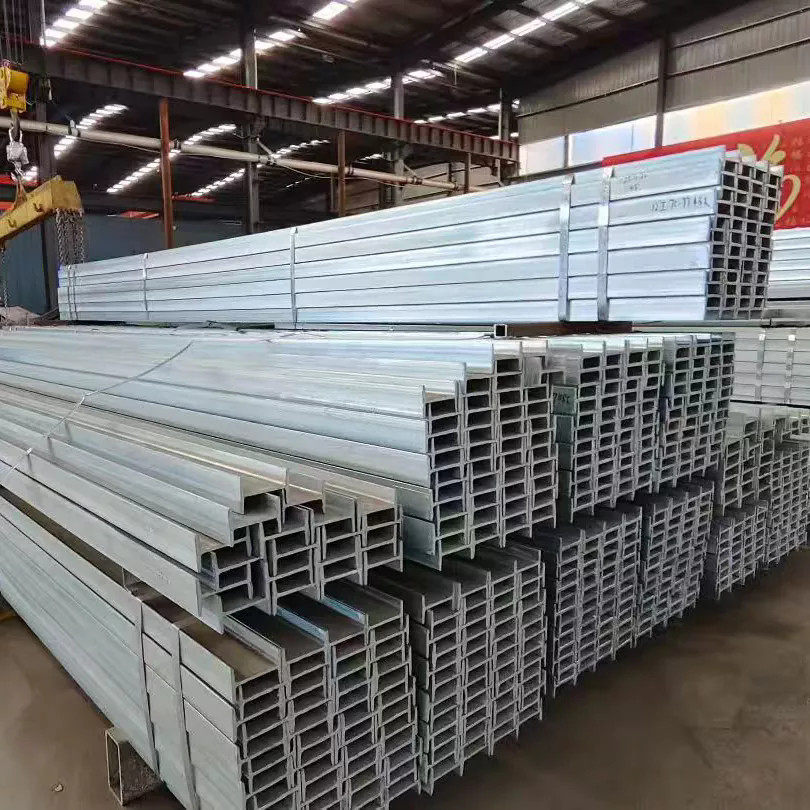
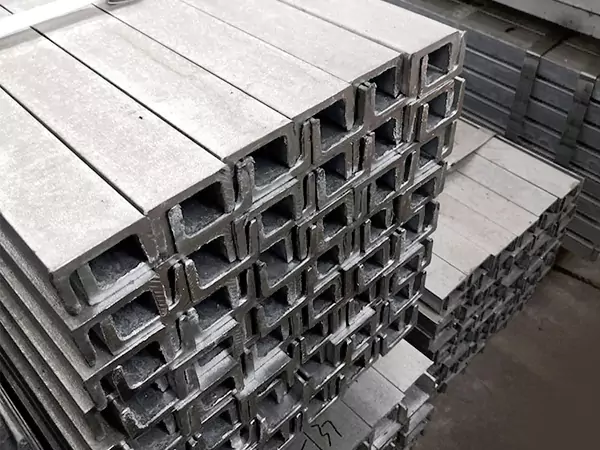
C Channel Steel is a structural steel section formed with a vertical web and two horizontal flanges, creating a shape that resembles the letter "C." This geometry allows the steel member to efficiently resist bending forces while maintaining a relatively lightweight profile.
The product is commonly manufactured through hot rolling, cold forming, or galvanizing processes depending on application requirements. Different dimensions, thicknesses, and steel grades are available to meet varying load-bearing demands.
Because of its versatility, C Channel Steel is extensively used in commercial buildings, industrial facilities, transportation systems, agricultural structures, and machinery manufacturing.
Why Is C Channel Steel So Popular?
Construction professionals often face several challenges:
- Need for high structural strength
- Pressure to reduce project costs
- Faster installation schedules
- Long-term durability requirements
- Material optimization goals
C Channel Steel addresses these concerns by providing a practical combination of performance and affordability. Compared with heavier structural sections, it delivers significant load-bearing capability without excessive material consumption.
Its shape also simplifies fabrication processes such as drilling, welding, bolting, and cutting, helping contractors reduce labor costs and improve productivity on-site.
Key Advantages of C Channel Steel
1. Excellent Strength-to-Weight Ratio
One of the primary benefits of C Channel Steel is its ability to support substantial structural loads while remaining relatively lightweight. This characteristic helps reduce transportation costs and simplifies installation.
2. Cost Efficiency
Material optimization is a major concern for project managers. Since C Channel Steel uses less steel than many alternative structural profiles for similar applications, it can significantly lower overall project expenses.
3. Easy Fabrication
The open-section design allows easier access during manufacturing and assembly processes. Fabricators can efficiently:
- Cut materials to precise dimensions
- Perform welding operations
- Drill connection holes
- Install bolts and fasteners
- Create customized assemblies
4. Versatile Design Options
C Channel Steel is available in numerous sizes and thicknesses, enabling engineers to select the most suitable profile for specific structural requirements.
5. Durability and Longevity
When properly coated or galvanized, C Channel Steel can provide excellent resistance against corrosion, weather exposure, and environmental wear, contributing to longer service life and reduced maintenance costs.
Common Applications of C Channel Steel
The versatility of C Channel Steel makes it suitable for a wide variety of industries.
| Industry | Typical Applications |
|---|---|
| Construction | Building frames, roof supports, wall structures |
| Industrial Manufacturing | Machine bases, equipment supports, production lines |
| Warehousing | Storage racks, mezzanine systems, shelving |
| Agriculture | Barns, greenhouses, irrigation support systems |
| Transportation | Truck frames, trailers, rail infrastructure |
| Energy Projects | Solar panel mounting structures and support frames |
These applications demonstrate the adaptability of C Channel Steel across both light-duty and heavy-duty projects.
How to Select the Right C Channel Steel
Choosing the correct specification is essential to ensure safety, efficiency, and cost control.
Load Requirements
Determine the expected static and dynamic loads before selecting a channel size. Undersized channels may fail prematurely, while oversized channels can unnecessarily increase costs.
Steel Grade
Different steel grades offer varying yield strengths and mechanical properties. Higher-strength grades are typically preferred for demanding structural applications.
Corrosion Environment
For outdoor or marine environments, galvanized or specially coated C Channel Steel is often recommended to improve corrosion resistance.
Length and Thickness
Proper sizing ensures optimal structural performance while minimizing waste and fabrication expenses.
Compliance Standards
Always verify that the material complies with applicable industry and project standards to ensure quality and reliability.
C Channel Steel vs Other Structural Sections
| Feature | C Channel Steel | I Beam | Angle Steel |
|---|---|---|---|
| Weight Efficiency | Excellent | Moderate | Good |
| Fabrication Ease | Excellent | Moderate | Excellent |
| Load Capacity | High | Very High | Moderate |
| Cost Effectiveness | Excellent | Moderate | Good |
| Versatility | Excellent | Good | Good |
While I beams are typically selected for extremely heavy structural loads, C Channel Steel often provides a more economical solution for a broad range of commercial and industrial projects.
Common Purchasing Mistakes
Many buyers focus exclusively on price and overlook critical performance factors.
Common mistakes include:
- Selecting the wrong channel size
- Ignoring corrosion protection requirements
- Purchasing from suppliers with inconsistent quality control
- Failing to verify mechanical properties
- Not considering future expansion loads
Evaluating total lifecycle value rather than initial purchase price often results in better long-term project outcomes.
Maintenance and Durability Tips
Although C Channel Steel is highly durable, routine inspections help maximize service life.
- Inspect coating conditions regularly
- Remove accumulated moisture and debris
- Repair damaged protective coatings promptly
- Monitor welded and bolted connections
- Address corrosion at an early stage
Preventive maintenance is generally far less expensive than major structural repairs or replacement.
Frequently Asked Questions
What is the main purpose of C Channel Steel?
C Channel Steel is primarily used for structural support, framing systems, equipment mounting, and load-bearing applications across construction and industrial projects.
Is galvanized C Channel Steel better for outdoor use?
Yes. Galvanized coatings provide enhanced corrosion resistance, making them suitable for outdoor, humid, and harsh environmental conditions.
Can C Channel Steel be welded easily?
Yes. Its open profile design allows efficient welding, drilling, cutting, and fabrication for customized applications.
How do I determine the correct channel size?
The appropriate size depends on load requirements, span length, environmental conditions, and engineering specifications.
Is C Channel Steel suitable for solar mounting structures?
Absolutely. Many solar energy projects use C Channel Steel because of its strength, durability, and ease of installation.
Conclusion
C Channel Steel remains one of the most practical structural steel solutions available today. Its combination of strength, lightweight design, fabrication flexibility, and cost efficiency makes it valuable across countless industries and construction environments.
By carefully selecting the appropriate dimensions, steel grade, and protective finish, project owners can achieve reliable structural performance while maintaining budget control. Whether the application involves commercial construction, industrial equipment, warehouse systems, transportation infrastructure, or renewable energy projects, C Channel Steel continues to deliver proven value and long-term durability.
Shunchen provides high-quality C Channel Steel solutions designed to meet demanding project requirements. If you are looking for reliable products, professional support, and competitive pricing for your next project, contact us today to discuss your requirements and discover how Shunchen can help you achieve greater efficiency, strength, and value.
Related News
- What Are the Common Lengths Available for Steel Channels?
- How Does Hot-Dip Galvanizing Protect Steel Channels?
- What makes Angle Steel the go-to material for industrial plant maintenance?
- Why Is Hot Dip Galvanized Grating Important for Modern Industry?
- What makes Angle Steel the top choice for transmission tower construction?
- Why Is CARBON STEEL STRUCTURAL ANGLE BAR a Smart Choice for Modern Structural Projects
Leave me a message