Why Is Hot Dip Galvanized Grating Important for Modern Industry?
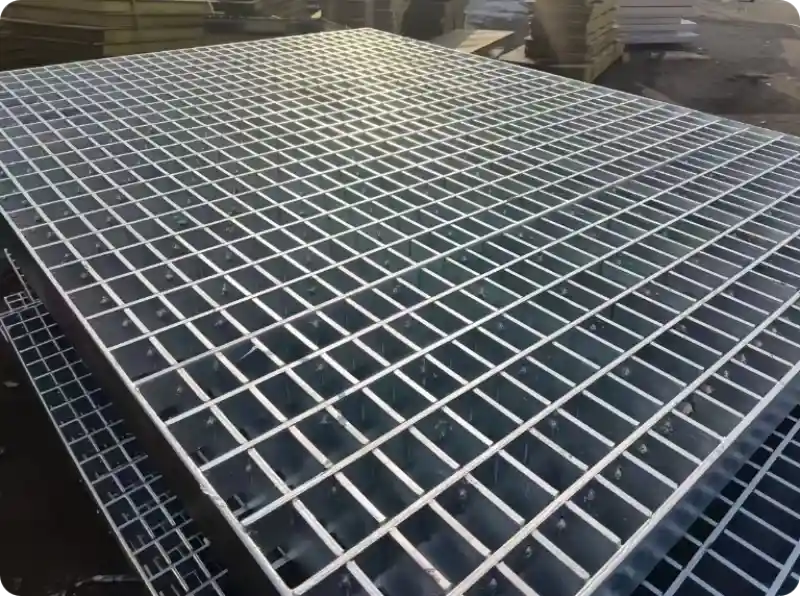
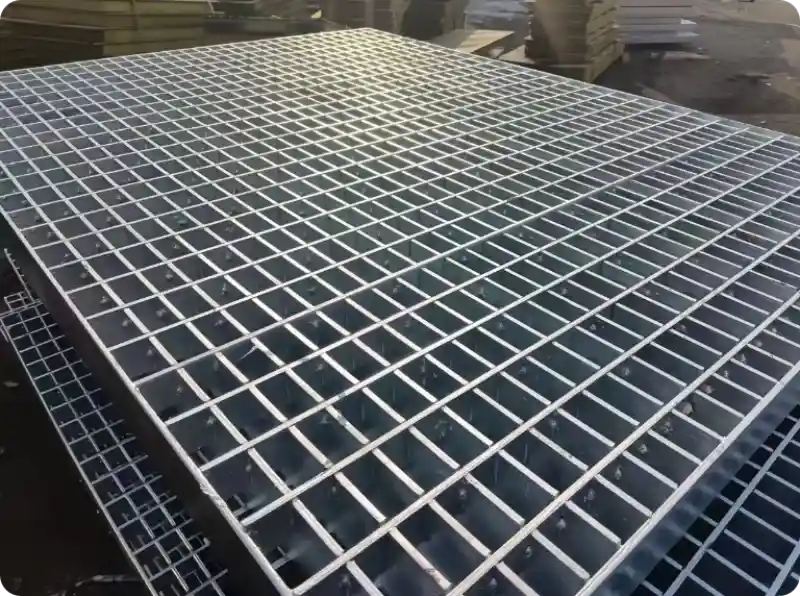
As industrial facilities, transportation infrastructure, energy projects, and commercial developments continue to demand safer and more durable structural systems, steel components are facing higher expectations for corrosion resistance and service reliability. Among the various surface-protection solutions available today, Hot Dip Galvanized Grating has attracted increasing attention for its combination of structural strength, drainage performance, slip resistance, and long-term protection in demanding environments.
Grating is widely used where open flooring, access platforms, walkways, drainage areas, and maintenance structures are required. However, conventional steel surfaces can be exposed to moisture, chemicals, salts, industrial contaminants, and changing outdoor conditions. A properly designed galvanized surface can help address these challenges while maintaining the functional characteristics of the steel structure.
Growing Demand for Durable Industrial Flooring
Industrial flooring and access systems are no longer evaluated only according to their initial structural performance. Engineering teams increasingly consider the complete service environment, maintenance requirements, worker safety, installation conditions, and expected operating life when selecting steel products.
This change is particularly visible in facilities where steel grating is continuously exposed to air, water, dirt, process residues, or outdoor weather. In such environments, surface protection becomes an important part of the overall engineering solution rather than an optional finishing treatment.
Corrosion Resistance as a Design Consideration
Corrosion can gradually affect exposed steel surfaces, especially when moisture remains in contact with the material or when atmospheric contaminants accelerate oxidation. Once corrosion develops, the appearance of the steel may deteriorate, and continued exposure can increase maintenance requirements.
Galvanizing provides a protective zinc layer over the steel surface. The coating acts as a physical barrier while also providing sacrificial protection to exposed areas. This makes galvanized steel particularly useful for applications where direct environmental exposure is unavoidable.
The effectiveness of the protection depends on factors such as steel composition, surface preparation, coating quality, bath conditions, drainage design, and post-treatment handling. For this reason, professional galvanizing should be considered as part of an integrated manufacturing process rather than simply a final coating operation.
How Surface Treatment Supports Long-Term Performance
The value of galvanized steel lies not only in its visible surface appearance but also in the metallurgical characteristics of the coating. During hot-dip galvanizing, properly prepared steel is immersed in molten zinc, allowing a metallurgically bonded coating to form across the exposed surface.
This bonding mechanism distinguishes hot-dip galvanizing from many conventional paint-based surface treatments. Instead of relying solely on an external film, the galvanized coating develops an integrated protective structure that can provide dependable resistance under demanding service conditions.
Protection Beyond the Visible Surface
Steel grating contains numerous exposed edges, intersections, bearing bars, cross bars, and connection areas. These details can create challenges for conventional surface treatments because complete and consistent coverage may be difficult to achieve.
A properly controlled galvanizing process can provide protection across a broad range of exposed steel surfaces. This characteristic is especially valuable for fabricated grating, where the geometry of the product includes multiple edges and structural interfaces.
At the same time, fabrication and galvanizing must be coordinated carefully. Appropriate venting and drainage provisions are essential for fabricated components because trapped air, liquids, or process solutions can affect coating quality and manufacturing safety. Engineering consideration before production therefore contributes significantly to the final result.
Durability in Challenging Environments
Different industrial environments create different corrosion risks. Coastal facilities may experience salt-laden air, while chemical plants can expose steel components to aggressive substances. Wastewater facilities, utility installations, manufacturing workshops, warehouses, and outdoor platforms may also encounter persistent moisture and contamination.
For these applications, a durable zinc coating can reduce the frequency of surface maintenance and help maintain the functional condition of steel components over an extended operating period. This can be particularly beneficial where access for maintenance is difficult or where frequent shutdowns would interfere with normal operations.
Structural Characteristics That Matter in Practical Applications
Surface protection is only one aspect of grating selection. The underlying steel structure must also meet the requirements of the intended application. Engineers generally consider loading conditions, span arrangements, support methods, opening requirements, pedestrian traffic, maintenance access, and environmental exposure before selecting a suitable configuration.
Open Design and Efficient Drainage
The open structure of steel grating provides an important functional advantage in many industrial environments. Water, dust, snow, and small debris can pass through the openings instead of accumulating on a continuous floor surface.
This characteristic is useful in areas where drainage is important. Industrial platforms, outdoor walkways, equipment access zones, and service areas may benefit from a floor structure that limits standing water and improves visibility of the surface below.
Open grating can also reduce the amount of solid material required compared with certain closed flooring systems. Depending on the structural design, this may contribute to efficient material utilization while retaining the required load-bearing performance.
Slip Resistance and Workplace Safety
Industrial access areas often operate under conditions that are not ideal for smooth flooring. Water, oil, dust, mud, and process residues can increase the risk of slipping. Grating provides an open, textured walking surface that can offer useful traction when properly selected for the working environment.
Surface configuration is therefore an important consideration. Different bar arrangements, bearing bar profiles, and surface treatments may be selected according to the level of pedestrian traffic, environmental exposure, and safety requirements of a project.
Engineering teams should also evaluate opening dimensions and walking conditions carefully, particularly in areas used by personnel, maintenance teams, or wheeled equipment. Proper specification ensures that the grating supports both structural requirements and practical workplace safety.
Where This Steel Solution Fits in Modern Projects
The versatility of galvanized steel grating allows it to serve a wide range of infrastructure and industrial functions. Its application is not limited to conventional factory floors. As industrial projects become more integrated, grating is increasingly used as part of access, maintenance, drainage, and service-support systems.
Industrial Plants and Manufacturing Facilities
Manufacturing plants require reliable access around machinery, production lines, storage areas, inspection zones, and utility systems. Grating can be used for elevated platforms, operating walkways, equipment access structures, stair treads, and maintenance areas.
In these facilities, durability and ease of maintenance are particularly important. A galvanized surface can provide an additional layer of protection where steel structures are exposed to humid production environments, cleaning processes, airborne contaminants, or accidental liquid contact.
Water Treatment and Utility Infrastructure
Water treatment facilities are naturally associated with persistent moisture. Platforms, channels, inspection areas, and maintenance walkways may remain exposed to wet conditions throughout their service life.
Galvanized steel is commonly considered for such environments because zinc protection can help reduce the impact of atmospheric corrosion. The open structure of grating also supports drainage and provides convenient access around tanks, channels, pumps, and other equipment.
Energy and Renewable Energy Projects
Modern energy infrastructure often includes elevated equipment, service platforms, cable routes, maintenance corridors, and structural access systems. These components may be installed indoors or outdoors and can be exposed to changing weather conditions.
Renewable energy facilities can present additional logistical challenges because equipment may be distributed across large sites. Durable access systems can simplify routine inspection and maintenance while reducing the need for frequent surface restoration.
Transportation and Infrastructure Facilities
Transportation infrastructure requires robust materials that can withstand continuous exposure to outdoor conditions and regular maintenance activity. Grating can be incorporated into service platforms, drainage areas, pedestrian access routes, bridges, utility structures, and other supporting systems.
In infrastructure projects, long-term reliability is often closely connected with lifecycle management. Materials that resist environmental deterioration can help project operators maintain functional access systems while managing ongoing maintenance responsibilities.
Manufacturing Quality Determines Product Reliability
The performance of a galvanized grating product is influenced by more than the presence of a zinc coating. Product reliability begins with raw material selection and continues through cutting, welding, dimensional control, surface preparation, galvanizing, inspection, packaging, and delivery.
Steel Material and Fabrication Control
Consistent steel quality provides the foundation for reliable grating production. Bearing bars and cross bars must be manufactured according to the required dimensions and structural specifications. Welding quality is equally important because connection integrity directly influences the stability of the finished panel.
Fabrication accuracy also affects installation efficiency. Panels that are properly manufactured can be easier to position, connect, and integrate with supporting structures. Consistent dimensions help reduce unnecessary adjustment during site installation.
Surface Preparation and Galvanizing Control
Surface preparation is one of the most important stages in hot-dip galvanizing. Steel surfaces must be cleaned effectively to remove contaminants that could interfere with coating formation.
The galvanizing process then requires careful control of immersion, temperature, withdrawal, drainage, and cooling conditions. Proper process management supports coating consistency and helps achieve a durable bond between zinc and steel.
Visual inspection should be combined with dimensional checks and process records where appropriate. A professional quality system provides traceability throughout production and helps manufacturers identify potential issues before products are dispatched.
Engineering Considerations Before Specification
Selecting a grating system should begin with the operating environment rather than the product name alone. A suitable specification should reflect how the grating will be used, what loads it will carry, how it will be supported, and what environmental conditions it will encounter.
Load and Span Requirements
Bearing bar dimensions and spacing should be selected according to the required loading conditions and support arrangement. Pedestrian walkways generally have different requirements from equipment platforms or areas exposed to concentrated loads.
Span length is another important consideration. Longer unsupported spans can place greater demands on the bearing structure. Engineering calculations should therefore be completed according to the applicable design standard and project requirements.
Environmental Exposure
Environmental conditions should be evaluated before choosing the surface protection system. Outdoor exposure, humidity, industrial atmosphere, coastal conditions, chemical contact, and temperature variation can all influence corrosion behavior.
Hot-dip galvanizing can provide strong protection for many general industrial environments, but particularly aggressive applications may require additional engineering evaluation. Understanding the actual operating conditions helps ensure that the selected material is appropriate for the intended service.
Installation and Maintenance
Installation details should be considered during the specification stage. Panel dimensions, support locations, fixing methods, access requirements, and surrounding structures can all affect installation efficiency.
Maintenance planning is equally important. Although galvanized steel can significantly reduce corrosion-related maintenance compared with unprotected steel, regular inspection remains good engineering practice. Damaged areas, mechanical impacts, accumulated contaminants, and changes in the surrounding environment should be monitored during the service life of the structure.
Key Selection Criteria for Project Applications
| Consideration | Engineering Focus | Expected Benefit |
|---|---|---|
| Steel Structure | Bearing capacity and support arrangement | Stable structural performance |
| Surface Protection | Corrosion resistance and coating integrity | Improved durability |
| Open Surface | Drainage and debris passage | Better operating conditions |
| Walking Surface | Traction and workplace access | Improved user safety |
| Fabrication Quality | Welding and dimensional consistency | Easier installation |
| Environmental Conditions | Moisture and atmospheric exposure | More appropriate material selection |
| Maintenance Planning | Inspection and service access | More manageable lifecycle costs |
Industry Trends Are Shaping Material Selection
The development of modern infrastructure is placing greater emphasis on lifecycle performance. Project owners and engineering teams are increasingly interested in materials that can provide dependable service while reducing avoidable maintenance activities.
This trend is closely connected with sustainability objectives. Extending the service life of structural components can reduce the frequency of replacement, minimize material consumption associated with repeated refurbishment, and support more efficient resource management.
At the same time, industrial projects are becoming more technically demanding. Facilities must often operate continuously, while access systems need to remain safe and functional under changing conditions. These requirements encourage manufacturers to improve process control, material consistency, coating performance, and customization capabilities.
From Product Supply to Integrated Manufacturing
The modern steel industry is gradually moving beyond simple product supply. Customers increasingly expect manufacturers to understand fabrication requirements, surface treatment, logistics, quality assurance, and project-specific specifications as part of a coordinated service.
This development places greater importance on manufacturing capabilities. A company with integrated production resources can coordinate different stages of the supply chain more efficiently and respond more flexibly to customized structural requirements.
For grating applications, this integrated approach can be particularly valuable because product performance depends on the relationship between steel fabrication, welding, galvanizing, inspection, and final delivery.
Why Professional Manufacturing Support Matters
Choosing an experienced manufacturer can simplify technical communication and improve consistency across different project stages. Professional manufacturers are better positioned to evaluate material requirements, production conditions, surface treatment needs, and delivery specifications before manufacturing begins.
Quality management systems also provide a framework for controlling production processes. Documented procedures, inspection standards, equipment management, and traceability can help manufacturers maintain stable product quality across different orders.
For international projects, manufacturing experience becomes even more important. Different markets may apply different structural standards, documentation expectations, packaging requirements, and logistics conditions. A supplier with export experience can provide more effective communication throughout the process.
Customization for Different Applications
Industrial projects rarely have identical requirements. Grating dimensions, bearing bar profiles, surface configurations, panel sizes, fixing systems, and finishing requirements may vary according to the installation environment.
Customization should therefore be based on engineering requirements rather than simple appearance. A capable manufacturer can review drawings and application conditions before recommending an appropriate production configuration.
This approach helps connect the final product with the actual working environment, supporting more efficient installation and more dependable long-term operation.
Shunchen’s Role in the Galvanized Steel Industry
Tianjin Shunchen Hongye Enterprise Management Co., Ltd. has developed from a steel trading business into a diversified industrial group with capabilities covering steel deep processing, hot-dip galvanizing, steel structure manufacturing, logistics, and international trade.
Its development reflects a long-term focus on manufacturing capability and quality management. The company has established dedicated galvanizing production resources, steel structure manufacturing capabilities, anti-corrosion treatment facilities, and extensive production and warehousing infrastructure.
Its ISO quality management certification further demonstrates an established framework for process control and quality assurance. This foundation supports the company's ability to serve industrial and infrastructure projects that require consistent steel products and professional surface treatment.
Integrated Capabilities for Global Projects
Shunchen's industrial development has enabled it to support customers through more than a single manufacturing stage. From steel processing and galvanizing to structural fabrication, logistics, and international trade, its integrated capabilities create a more coordinated supply chain.
This model is increasingly relevant to modern infrastructure projects, where reliable communication between material preparation, fabrication, coating, inspection, and delivery can directly affect project efficiency.
For applications that require corrosion-resistant access systems, durable industrial flooring, service platforms, or structural grating, Hot Dip Galvanized Grating remains a practical solution when properly engineered and manufactured. The combination of steel strength, open drainage characteristics, surface protection, and flexible fabrication makes it suitable for a broad range of industrial environments.
Looking Ahead at Durable Steel Infrastructure
As industrial facilities and infrastructure continue to evolve, material selection will increasingly focus on performance throughout the complete service lifecycle. Structural products will need to balance strength, corrosion resistance, safety, installation efficiency, maintainability, and environmental considerations.
Galvanized steel solutions are well positioned within this development because they combine established steel fabrication practices with effective corrosion protection. However, the final performance still depends on engineering design, manufacturing quality, galvanizing process control, and appropriate application.
The future of the industry will therefore not be defined by surface treatment alone. It will depend on manufacturers that can combine material expertise, fabrication technology, quality systems, project understanding, and dependable supply capabilities.
With its evolution from steel trading to an integrated industrial group, Tianjin Shunchen Hongye Enterprise Management Co., Ltd. continues to strengthen its position in steel processing and surface protection. Its manufacturing resources, quality management approach, galvanizing capabilities, and international trade experience provide a solid foundation for supporting demanding industrial and infrastructure applications.
Related News
- How Do Hot Rolled and Welded T-Shaped Steel Profiles Differ in Manufacturing and Performance?
- Why Is Octagonal Steel a Core Material for Multiple Industries?
- What Are the Common Lengths Available for Steel Channels?
- How Does Hot-Dip Galvanizing Protect Steel Channels?
- What makes Angle Steel the go-to material for industrial plant maintenance?
- What makes Angle Steel the top choice for transmission tower construction?
Leave me a message