How Are Round Tubes Revolutionizing Modern Construction and Industry?
Summary: Round tubes are integral in multiple industries due to their structural strength, versatility, and aesthetic appeal. This article explores the types, applications, manufacturing processes, and maintenance considerations of round tubes, helping customers make informed decisions when selecting materials for their projects. Shunchen provides high-quality round tubes that meet diverse industrial needs.

Table of Contents
- Introduction to Round Tubes
- Types of Round Tubes
- Applications Across Industries
- Manufacturing Process of Round Tubes
- Advantages of Using Round Tubes
- Maintenance and Care
- FAQ
- Conclusion & Contact
Introduction to Round Tubes
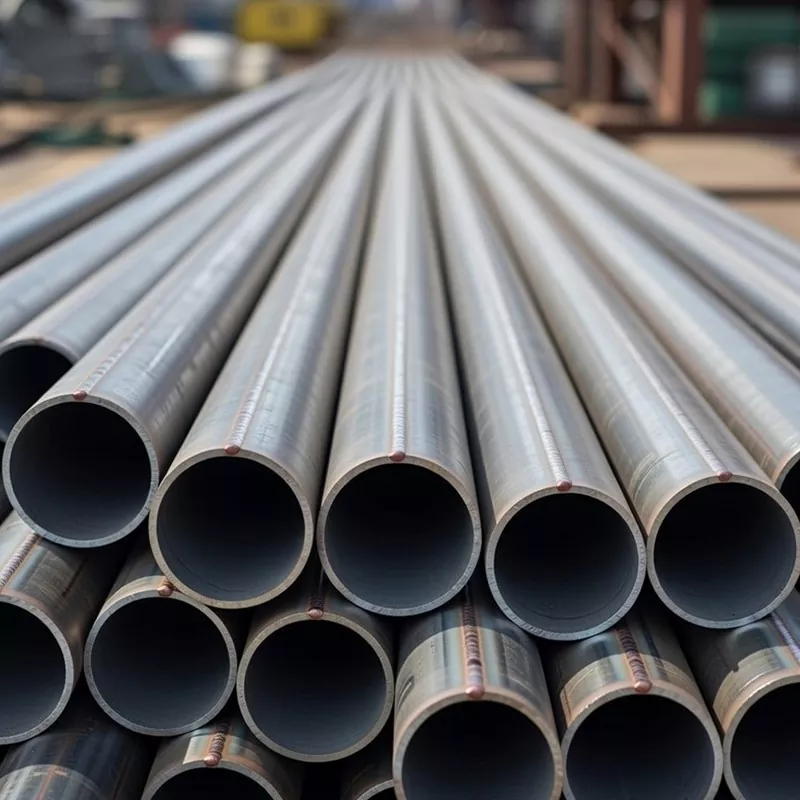
Round tubes, also referred to as circular pipes, are tubular materials with a hollow cylindrical cross-section. They are widely used due to their superior load-bearing capabilities, smooth finish, and compatibility with various construction and industrial designs. Shunchen specializes in producing round tubes that meet international standards, ensuring both durability and reliability.
Types of Round Tubes
Round tubes come in various types depending on material, wall thickness, and manufacturing method. Choosing the right type is critical for performance and cost-effectiveness.
| Type | Material | Features | Common Applications |
|---|---|---|---|
| Seamless Round Tube | Carbon Steel, Stainless Steel | High strength, uniform thickness | Automotive, Oil & Gas pipelines |
| Welded Round Tube | Steel, Aluminum | Cost-effective, lighter weight | Furniture, Handrails, Scaffolding |
| Galvanized Round Tube | Steel with Zinc Coating | Corrosion-resistant | Outdoor structures, Fencing |
| Stainless Steel Tube | Stainless Steel Grades 304, 316 | Rust-resistant, aesthetic finish | Kitchen equipment, Architecture |
Applications Across Industries
Round tubes have applications in a variety of sectors due to their versatility and strength. Some of the major uses include:
- Construction: Used in scaffolding, support structures, and architectural features.
- Automotive: Chassis, exhaust systems, and roll cages benefit from seamless round tubes.
- Furniture: Modern furniture designs utilize lightweight welded round tubes.
- Oil & Gas: Seamless tubes are critical for pipelines that carry high-pressure fluids.
- Infrastructure: Bridges, railings, and poles often use galvanized or stainless steel round tubes for durability.
Manufacturing Process of Round Tubes
The production of round tubes involves several key steps, each affecting the final product’s quality and reliability:
- Material Selection: High-grade steel or aluminum is chosen for strength and corrosion resistance.
- Forming: Sheets or billets are shaped into cylindrical forms using rolling or extrusion methods.
- Welding (if applicable): Seam welding or electric resistance welding ensures tube integrity.
- Heat Treatment: Enhances mechanical properties like strength and ductility.
- Surface Finishing: Galvanization, polishing, or coating improves corrosion resistance and appearance.
- Inspection and Testing: Dimensional checks, pressure tests, and X-ray testing for seamless tubes.
Advantages of Using Round Tubes
Choosing round tubes offers several benefits over alternative shapes:
- High Strength-to-Weight Ratio: Round tubes can bear significant loads without excessive weight.
- Uniform Stress Distribution: Circular shape minimizes weak points and reduces the risk of structural failure.
- Versatility: Suitable for industrial, architectural, and aesthetic applications.
- Durability: Resistant to bending, corrosion (when galvanized or stainless), and wear.
- Cost-Effectiveness: Welded tubes provide a budget-friendly alternative for low-pressure applications.
Maintenance and Care
Proper maintenance extends the lifespan of round tubes:
- Regular cleaning to remove dust, dirt, or corrosive substances.
- Applying anti-corrosion coatings for outdoor applications.
- Periodic inspections to detect cracks or weld defects early.
- Using protective covers or paints when exposed to harsh environments.
FAQ
Q1: What materials are commonly used for round tubes?
A1: Carbon steel, stainless steel, aluminum, and galvanized steel are commonly used, each with distinct advantages for different applications.
Q2: How do I choose between seamless and welded round tubes?
A2: Seamless tubes are ideal for high-pressure or critical structural applications. Welded tubes are cost-effective and suitable for low-pressure or decorative use.
Q3: Can round tubes be customized in size and thickness?
A3: Yes, manufacturers like Shunchen provide custom dimensions to meet specific project requirements.
Q4: How long do round tubes last?
A4: Lifespan depends on material, coating, and maintenance. Stainless steel and galvanized tubes can last decades with proper care.
Conclusion & Contact
Round tubes are a versatile, durable, and reliable solution for modern construction, industrial, and design applications. Selecting the right type ensures structural integrity, efficiency, and cost-effectiveness. Shunchen provides high-quality round tubes suitable for diverse projects. For inquiries or personalized recommendations, contact us today to discuss your project requirements and get premium round tube solutions.
Related News
- Which Structural Differences Matter When Comparing T-Shaped Steel with Angle Steel?
- How Do Hot Rolled and Welded T-Shaped Steel Profiles Differ in Manufacturing and Performance?
- Why Is Octagonal Steel a Core Material for Multiple Industries?
- What Are the Common Lengths Available for Steel Channels?
- How Does Hot-Dip Galvanizing Protect Steel Channels?
- What makes Angle Steel the go-to material for industrial plant maintenance?
Leave me a message