How Steel Structure Works in Modern Construction
Abstract
Steel structure systems have become a cornerstone of modern construction due to their strength, flexibility, and cost efficiency. This article explores how steel structures work, what they are used for, and why they are increasingly preferred across industrial, commercial, and residential projects. It also highlights key design considerations, common challenges, and practical solutions provided by experienced manufacturers such as Tianjin Shunchen.
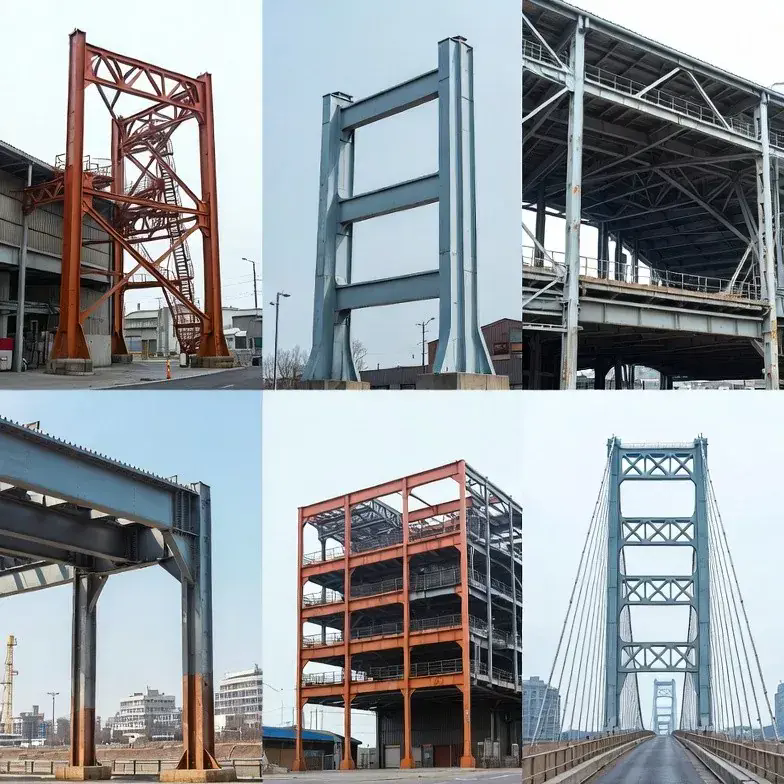
Table of Contents
- 1. Overview of Steel Structure Systems
- 2. How Steel Structures Work
- 3. Key Components of Steel Structures
- 4. Why Steel Structures Are Widely Used
- 5. Applications in Real Projects
- 6. Common Challenges and Solutions
- 7. Steel vs Traditional Construction Materials
- 8. Frequently Asked Questions
- 9. Conclusion and Contact
1. Overview of Steel Structure Systems
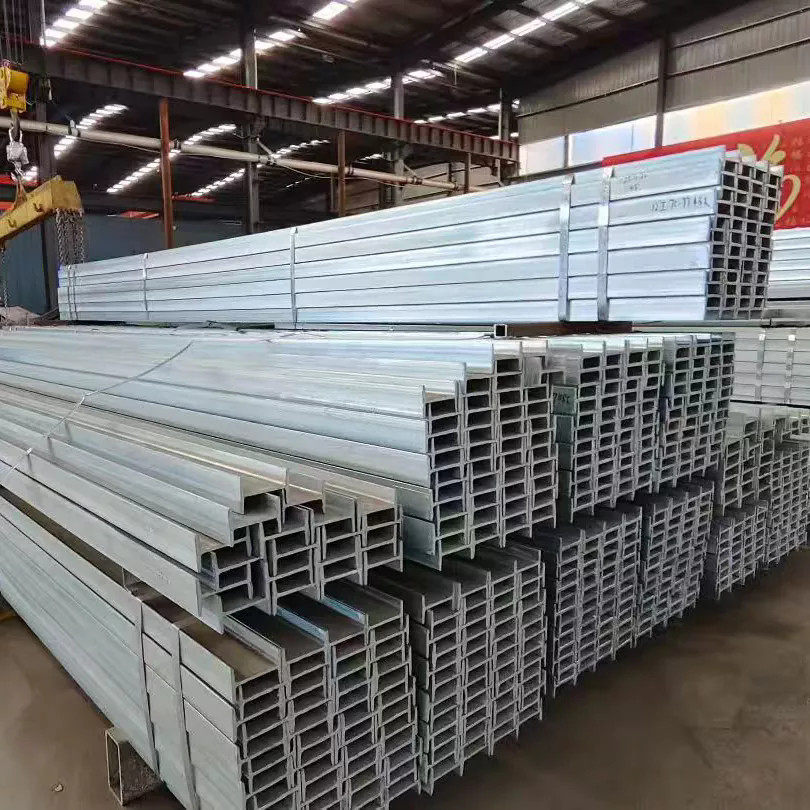
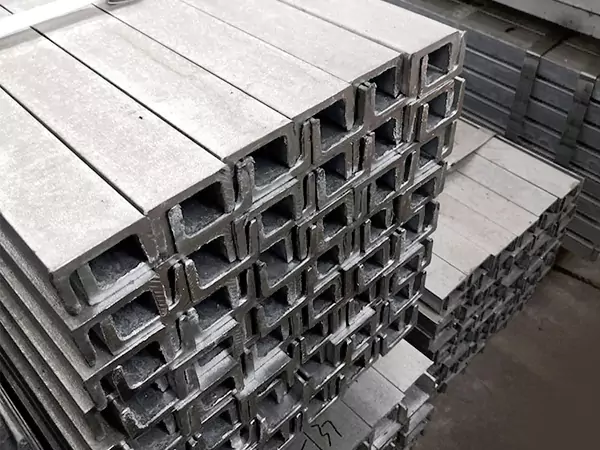
A steel structure is a building system where steel is the primary load-bearing material. Unlike concrete or wood-based frameworks, steel structures rely on interconnected beams, columns, trusses, and bolts to distribute loads efficiently. These systems are engineered to withstand heavy stress while maintaining flexibility under dynamic forces such as wind or seismic activity.
Modern engineering companies like Tianjin Shunchen specialize in designing and manufacturing steel structural systems tailored to different industries, ensuring consistency, durability, and performance across projects.
2. How Steel Structures Work
Steel structures function by transferring loads through a defined path: from the roof or upper floors → beams → columns → foundation → ground. This load distribution system ensures stability even under extreme pressure conditions.
- Tension and compression balance: Steel components resist both pulling and pushing forces effectively.
- Rigid frame behavior: Joints are designed to maintain structural integrity under load.
- Prefabrication accuracy: Most components are manufactured in controlled environments before assembly.
In practice, this means buildings can be constructed faster, with fewer errors, and with greater long-term reliability.
3. Key Components of Steel Structures
Understanding the main components helps explain why steel structures perform so well in modern construction.
| Component | Function | Importance |
|---|---|---|
| Steel Beams | Support horizontal loads | Maintain floor and roof stability |
| Steel Columns | Transfer vertical loads to foundation | Provide structural backbone |
| Trusses | Distribute loads over long spans | Reduce material usage while increasing strength |
| Connections (Bolts/Welds) | Join structural elements | Ensure rigidity and safety |
| Foundation Anchors | Fix structure to ground | Prevent movement or collapse |
Manufacturers like Tianjin Shunchen focus heavily on precision fabrication of these components to ensure seamless assembly on-site.
4. Why Steel Structures Are Widely Used
Steel structures offer multiple advantages that make them suitable for a wide range of construction projects:
- High strength-to-weight ratio: Steel provides exceptional strength without excessive weight.
- Fast installation: Prefabricated components reduce on-site construction time.
- Design flexibility: Supports complex architectural designs and large spans.
- Durability: Resistant to pests, decay, and many environmental factors.
- Recyclability: Steel can be reused, reducing environmental impact.
These benefits make steel structures a preferred choice for warehouses, factories, stadiums, and high-rise buildings.
5. Applications in Real Projects
Steel structures are used in a wide variety of industries and environments:
- Industrial warehouses and logistics centers
- Commercial shopping complexes
- Aircraft hangars and transportation hubs
- Bridges and infrastructure projects
- Residential modular housing systems
Companies like Tianjin Shunchen supply engineered steel solutions for these applications, ensuring adaptability to different load requirements and environmental conditions.
6. Common Challenges and Solutions
While steel structures offer many advantages, certain challenges must be addressed during design and installation.
- Corrosion risk: Requires protective coatings or galvanization.
- Thermal expansion: Managed through expansion joints.
- Fire resistance: Requires fireproof coatings or insulation materials.
- Transportation logistics: Large components require careful planning.
Experienced suppliers like Tianjin Shunchen integrate protective technologies and engineering expertise to minimize these risks from the design stage.
7. Steel vs Traditional Construction Materials
To better understand steel structures, it is useful to compare them with traditional materials like concrete and wood.
| Feature | Steel | Concrete | Wood |
|---|---|---|---|
| Strength | Very high | High | Moderate |
| Construction Speed | Fast | Slow | Moderate |
| Durability | High (with protection) | High | Low to moderate |
| Flexibility in Design | Very high | Moderate | Limited |
This comparison highlights why steel structures are increasingly dominating modern construction markets worldwide.
8. Frequently Asked Questions
Q1: What makes steel structures stronger than other materials?
Steel has a high tensile strength, allowing it to withstand heavy loads and dynamic forces without cracking or breaking easily.
Q2: Are steel structures expensive?
Initial material costs may be higher, but reduced construction time and maintenance often make them more cost-effective overall.
Q3: How long do steel structures last?
With proper maintenance and protective coatings, steel structures can last several decades or even longer.
Q4: Can steel structures be customized?
Yes, companies like Tianjin Shunchen provide fully customized steel structure solutions based on project requirements.
Q5: Are steel structures environmentally friendly?
Steel is recyclable and reusable, making it a more sustainable option compared to many traditional building materials.
9. Conclusion and Contact
Steel structures represent the future of efficient, durable, and flexible construction. Their engineering principles allow for faster building times, improved safety, and long-term cost efficiency. From industrial facilities to modern architectural projects, steel continues to redefine construction standards.
With extensive expertise and advanced manufacturing capabilities, Tianjin Shunchen delivers reliable steel structure solutions tailored to global client needs.
If you are planning a construction project or looking for a dependable steel structure supplier, professional engineering support is essential for success.
Contact us today to discuss your project requirements and get a tailored steel structure solution from Tianjin Shunchen.
Related News
- How Do Hot Rolled and Welded T-Shaped Steel Profiles Differ in Manufacturing and Performance?
- Why Is Octagonal Steel a Core Material for Multiple Industries?
- What Are the Common Lengths Available for Steel Channels?
- How Does Hot-Dip Galvanizing Protect Steel Channels?
- What makes Angle Steel the go-to material for industrial plant maintenance?
- Why Is Hot Dip Galvanized Grating Important for Modern Industry?
Leave me a message