How Welded Steel Pipe Improves Efficiency and Reduces Costs in Industrial Applications
Abstract
Welded steel pipe is a cornerstone material across industries such as construction, oil and gas, water transportation, and manufacturing. Customers often struggle with selecting the right pipe type, balancing cost with durability, and ensuring long-term performance. This article explains how welded steel pipe addresses these challenges by offering a cost-effective, versatile, and reliable solution. It explores manufacturing processes, advantages, selection criteria, and practical applications, helping buyers make informed decisions.
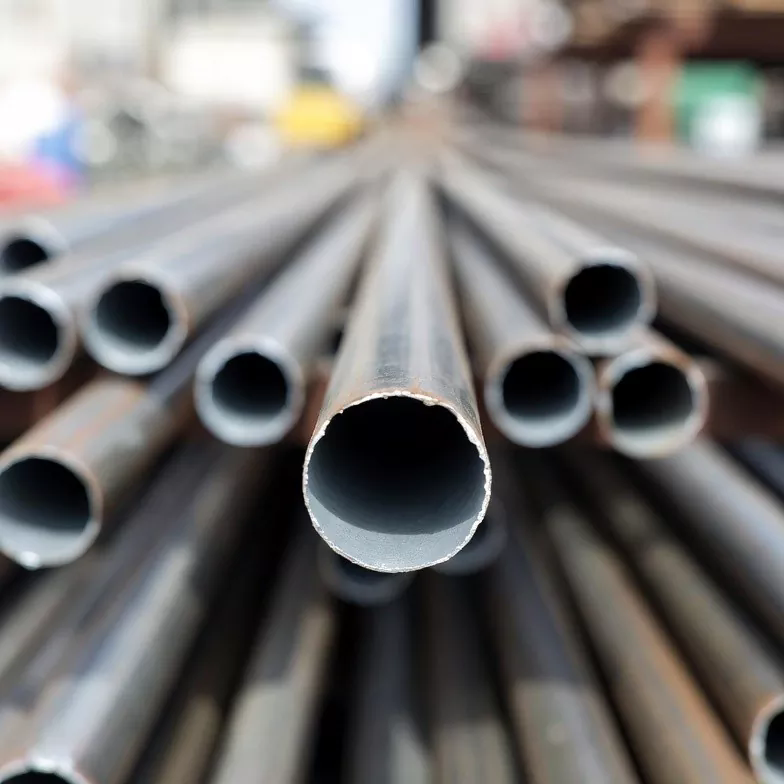
Table of Contents
- 1. Overview of Welded Steel Pipe
- 2. How Welded Steel Pipe Is Manufactured
- 3. Key Benefits of Welded Steel Pipe
- 4. Common Industrial Applications
- 5. How to Choose the Right Welded Steel Pipe
- 6. Welded vs Seamless Steel Pipe
- 7. Maintenance and Longevity Tips
- 8. FAQ
1. Overview of Welded Steel Pipe
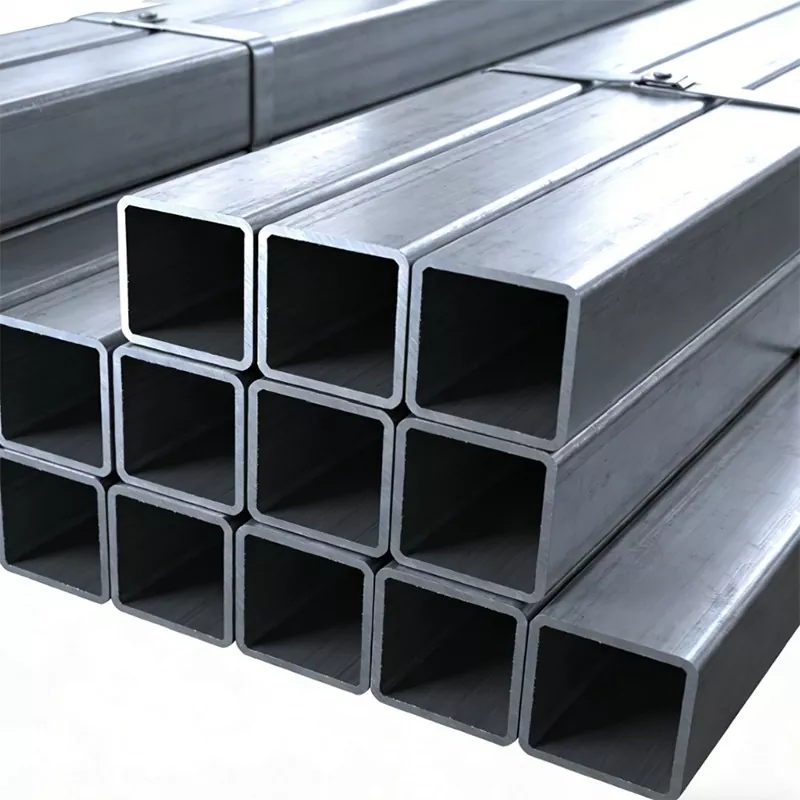
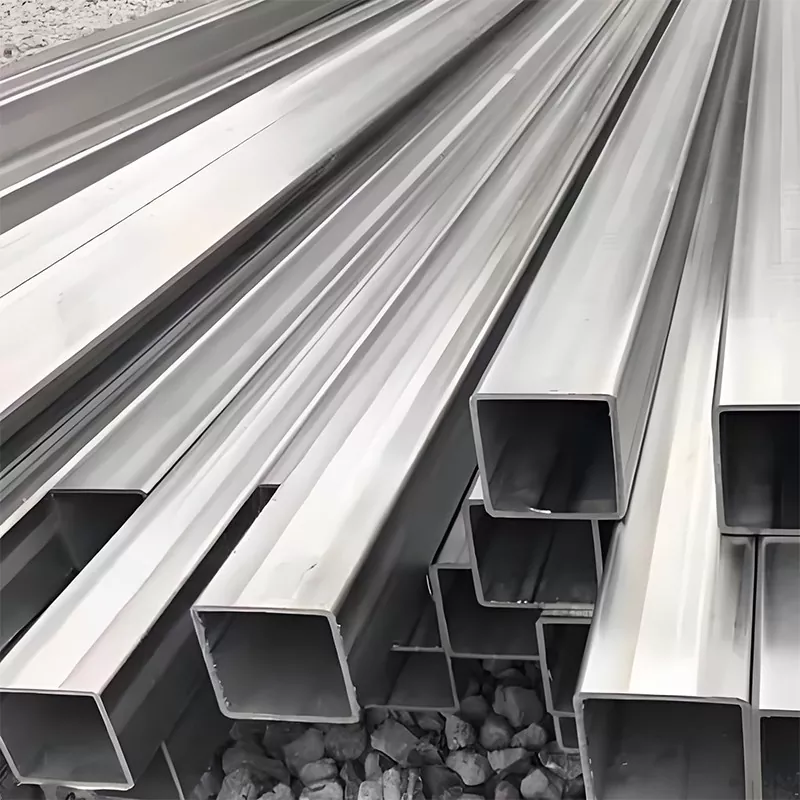
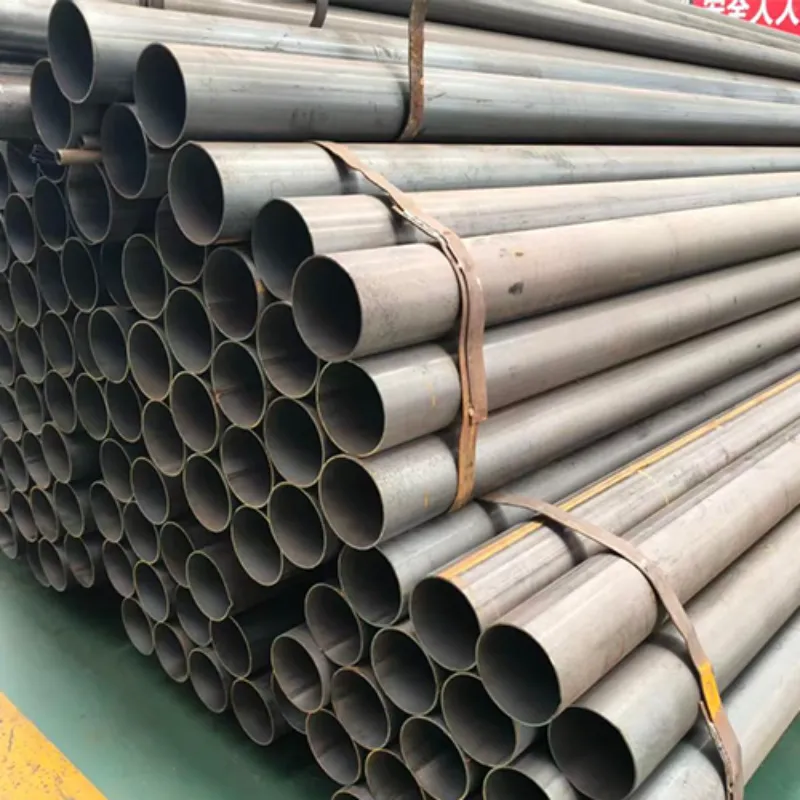
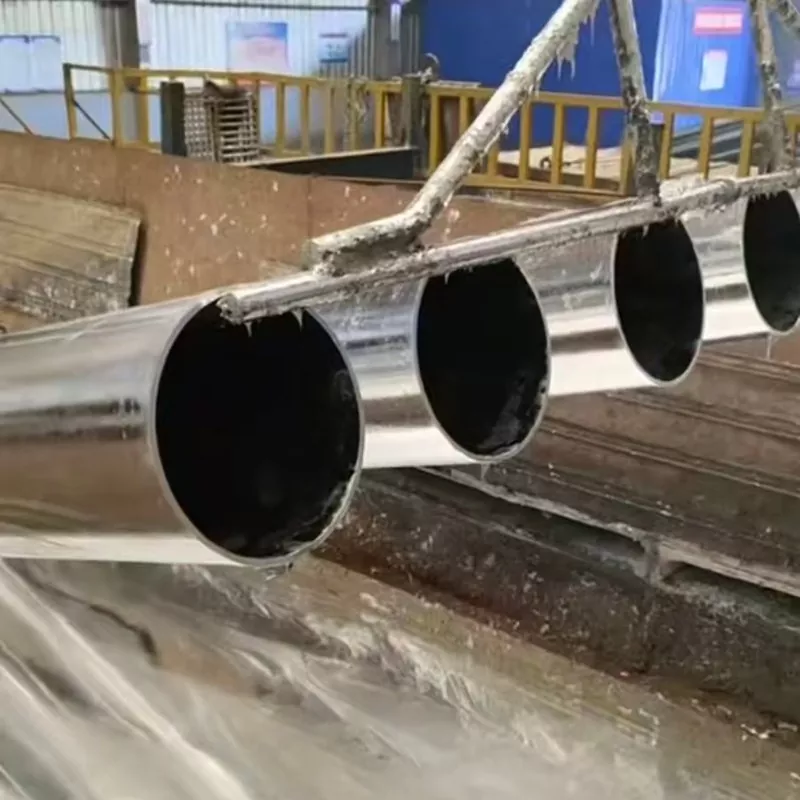
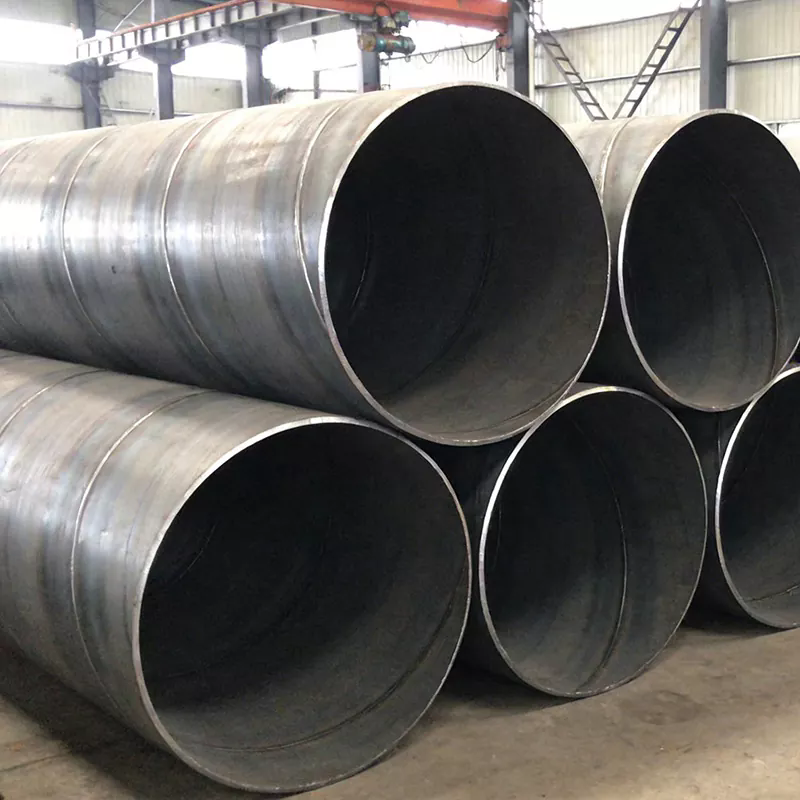
Welded steel pipe is produced by rolling steel plates or strips into a cylindrical shape and joining the edges through welding. Unlike seamless pipes, welded pipes are manufactured with precise dimensional control, making them highly suitable for large-scale and cost-sensitive projects.
The increasing demand for infrastructure, energy transport, and structural engineering has made welded steel pipes an essential material. Their adaptability and affordability make them a preferred choice for engineers and procurement managers alike.
2. How Welded Steel Pipe Is Manufactured
Understanding the production process helps buyers evaluate quality and performance. The manufacturing process typically involves:
- Steel coil or plate preparation
- Forming into a cylindrical shape
- Welding (ERW, LSAW, or SSAW methods)
- Heat treatment and stress relief
- Surface finishing and inspection
Each method serves different applications. For example, Electric Resistance Welding (ERW) is widely used for precision pipes, while Submerged Arc Welding (SAW) is ideal for large-diameter pipelines.
3. Key Benefits of Welded Steel Pipe
Customers often face challenges such as high material costs, inconsistent quality, and limited customization options. Welded steel pipes directly address these issues.
| Benefit | Description | Customer Value |
|---|---|---|
| Cost Efficiency | Lower production cost compared to seamless pipes | Reduces overall project budget |
| Dimensional Accuracy | Uniform thickness and diameter | Ensures easy installation |
| Customizability | Available in various sizes and coatings | Meets diverse project requirements |
| High Strength | Suitable for structural and pressure applications | Improves safety and durability |
4. Common Industrial Applications
Welded steel pipes are widely used due to their versatility. Key industries include:
- Construction (structural frameworks and scaffolding)
- Oil and gas pipelines
- Water supply and drainage systems
- Automotive and mechanical engineering
- Energy and power plants
Their adaptability allows them to meet both high-pressure and low-pressure system requirements, making them indispensable in modern engineering projects.
5. How to Choose the Right Welded Steel Pipe
Selecting the right welded steel pipe involves evaluating several critical factors:
- Material Grade: Choose based on strength and corrosion resistance needs
- Pipe Size: Diameter and thickness must match application requirements
- Coating Type: Galvanized or anti-corrosion coatings extend lifespan
- Standards Compliance: Ensure pipes meet ASTM, API, or ISO standards
- Supplier Reliability: Work with experienced manufacturers
Making the wrong selection can lead to increased maintenance costs or even system failure, so careful evaluation is essential.
6. Welded vs Seamless Steel Pipe
| Feature | Welded Steel Pipe | Seamless Steel Pipe |
|---|---|---|
| Cost | Lower | Higher |
| Strength | High (suitable for most uses) | Very high |
| Production Speed | Faster | Slower |
| Size Range | Wide | Limited |
For most applications, welded steel pipes provide the best balance between performance and cost, especially in large-scale projects.
7. Maintenance and Longevity Tips
Proper maintenance ensures long service life and optimal performance:
- Apply protective coatings to prevent corrosion
- Inspect weld seams periodically
- Avoid exposure to extreme environmental conditions
- Use appropriate fittings and supports
These practices help reduce operational risks and extend the lifecycle of the piping system.
8. FAQ
Q1: Are welded steel pipes strong enough for high-pressure applications?
Yes, modern welding techniques ensure high strength and reliability, making them suitable for many high-pressure systems.
Q2: How long do welded steel pipes last?
With proper coating and maintenance, they can last several decades depending on the environment.
Q3: Can welded steel pipes be customized?
Yes, they can be manufactured in various sizes, thicknesses, and coatings to meet specific requirements.
Q4: Are welded pipes environmentally friendly?
They are recyclable and require less raw material compared to seamless pipes, making them a more sustainable option.
Conclusion
Welded steel pipe stands out as a cost-effective, durable, and versatile solution for a wide range of industrial applications. By understanding its manufacturing process, benefits, and selection criteria, buyers can significantly reduce risks and optimize project outcomes.
If you are looking for high-quality welded steel pipe solutions tailored to your needs, Shunchen provides reliable products and professional support to help you succeed—contact us today to explore the best options for your project.
Related News
- What Are the Common Lengths Available for Steel Channels?
- How Does Hot-Dip Galvanizing Protect Steel Channels?
- What makes Angle Steel the go-to material for industrial plant maintenance?
- Why Is Hot Dip Galvanized Grating Important for Modern Industry?
- What makes Angle Steel the top choice for transmission tower construction?
- Why Is CARBON STEEL STRUCTURAL ANGLE BAR a Smart Choice for Modern Structural Projects
Leave me a message