How Does Z Section Steel Improve Structural Efficiency?
Article Abstract
Z Section Steel is a highly efficient structural material widely used in modern construction, industrial frameworks, and infrastructure projects. Its unique Z-shaped geometry provides superior load distribution, lightweight strength, and cost-effective installation compared to traditional steel sections. This article explores how Z Section Steel works, its engineering advantages, applications, selection considerations, and common challenges faced by buyers and contractors. It also provides practical insights for decision-making to help engineers and procurement teams optimize structural performance while controlling costs.
Table of Contents
- 1. Overview of Z Section Steel
- 2. Structural Design and Mechanical Behavior
- 3. Key Advantages in Construction Projects
- 4. Common Industrial Applications
- 5. Z Section Steel vs Other Steel Profiles
- 6. How to Select the Right Z Section Steel
- 7. Technical Parameters Overview
- 8. Common Challenges and Solutions
- 9. Frequently Asked Questions
1. Overview of Z Section Steel
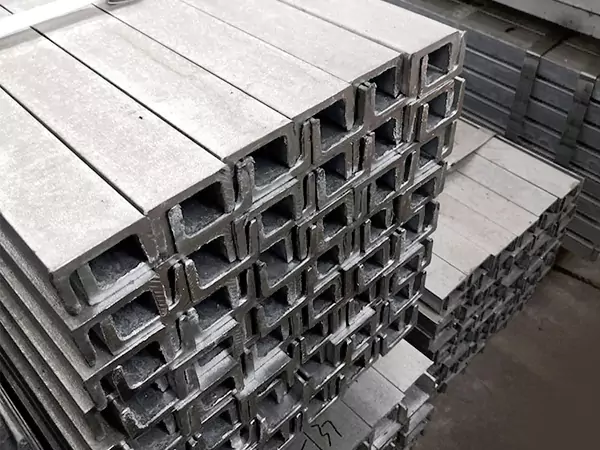
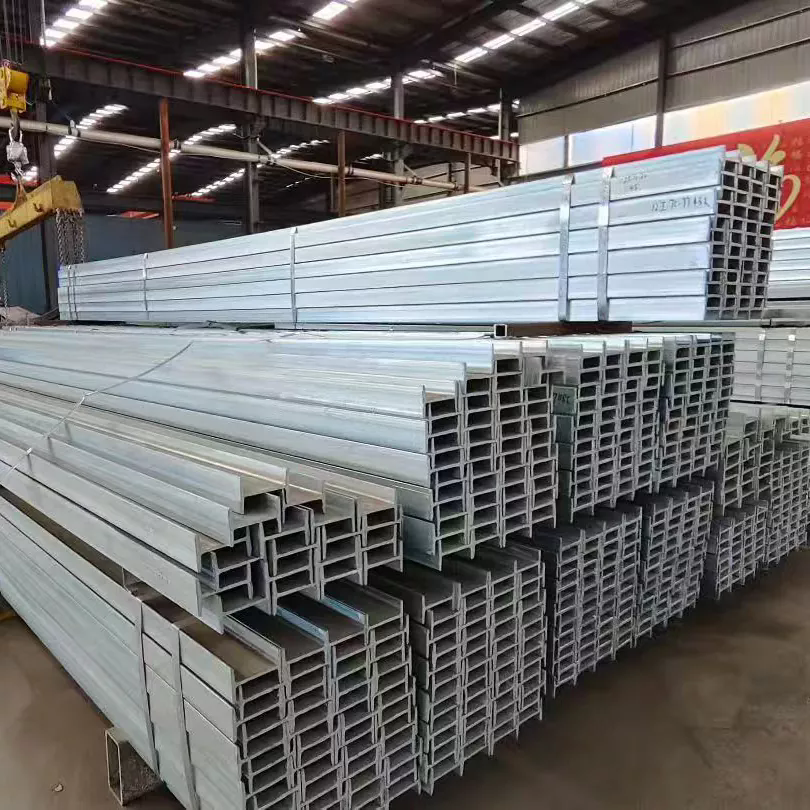
Z Section Steel is a cold-formed structural steel profile shaped like the letter “Z.” It is commonly used in purlins, wall girts, framing systems, and supporting structures. Its asymmetric geometry allows overlapping connections, making it particularly suitable for long-span roofing systems and modular construction.
Unlike traditional I-beams or C-sections, Z Section Steel offers improved continuity when lapped, which enhances structural strength and reduces deflection under load. This makes it a preferred choice in industrial and commercial steel buildings.
2. Structural Design and Mechanical Behavior
The engineering value of Z Section Steel lies in its geometry. The two flanges are offset, enabling overlapping installation that increases structural continuity. This significantly improves bending resistance and load distribution across beams.
Key mechanical behaviors include:
- High moment of inertia in one axis for better load-bearing capacity
- Efficient resistance to bending and torsion
- Reduced material usage while maintaining strength
- Improved stability in multi-span roof systems
These characteristics make it ideal for lightweight yet durable structural systems in modern engineering projects.
3. Key Advantages in Construction Projects
Z Section Steel provides multiple advantages that directly address common construction pain points such as high material costs, installation inefficiency, and structural limitations.
Main benefits include:
- Cost Efficiency: Reduced steel usage while maintaining strength
- Easy Installation: Lapping design simplifies assembly
- High Load Performance: Suitable for long-span roofing systems
- Durability: Excellent resistance to deformation under stress
- Flexibility: Adaptable to different architectural designs
These advantages make it particularly attractive for contractors aiming to balance performance and budget constraints.
4. Common Industrial Applications
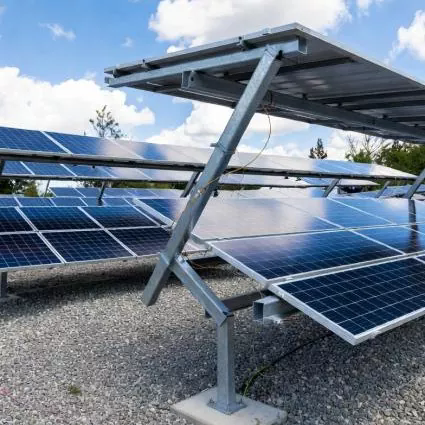
Z Section Steel is widely used across multiple industries due to its adaptability and strength-to-weight ratio.
- Industrial warehouses and factories
- Commercial roofing systems
- Steel frame building structures
- Bridge secondary support systems
- Agricultural storage buildings
In large-scale projects, it is often chosen for purlin systems due to its ability to span long distances with minimal deflection.
5. Z Section Steel vs Other Steel Profiles
Understanding how Z Section Steel compares with other structural profiles helps engineers make informed decisions.
| Feature | Z Section Steel | C Section Steel | I Beam |
|---|---|---|---|
| Load Distribution | High (due to lapping design) | Moderate | High but heavier |
| Weight | Lightweight | Lightweight | Heavy |
| Installation Efficiency | Very Easy | Easy | Moderate |
| Cost Efficiency | High | Medium | Lower due to material usage |
From this comparison, Z Section Steel stands out for its balance of strength, efficiency, and installation convenience.
6. How to Select the Right Z Section Steel
Choosing the right specification is critical to ensure structural safety and project efficiency. Engineers and buyers should consider the following factors:
- Thickness: Determines load-bearing capacity
- Steel Grade: Impacts strength and corrosion resistance
- Span Requirements: Influences section depth selection
- Coating Type: Galvanized or anti-corrosion treatment
- Project Environment: Indoor, outdoor, or coastal conditions
Incorrect selection may lead to structural inefficiency or unnecessary cost increases.
7. Technical Parameters Overview
Below is a simplified technical overview of typical Z Section Steel specifications:
| Parameter | Range | Notes |
|---|---|---|
| Thickness | 1.5mm – 3.0mm | Customizable depending on load |
| Height | 100mm – 300mm | Depends on span length |
| Material | Q235 / Q345 Steel | Standard structural steel grades |
| Surface Treatment | Galvanized / Painted | Anti-corrosion protection |
8. Common Challenges and Solutions
While Z Section Steel is highly efficient, improper usage or selection can lead to challenges in structural performance.
Typical issues include:
- Improper lapping causing misalignment
- Incorrect span calculations leading to deflection
- Insufficient corrosion protection in harsh environments
Recommended solutions:
- Use standardized installation guidelines
- Consult structural engineers for load calculations
- Select appropriate surface coatings based on environment
9. Frequently Asked Questions
Q1: What makes Z Section Steel different from C Section Steel?
Z Section Steel allows overlapping installation, which improves load distribution and structural continuity.
Q2: Is Z Section Steel suitable for long-span roofs?
Yes, it is widely used in long-span roofing due to its high bending resistance and lightweight design.
Q3: Can it be customized?
Yes, thickness, height, and coatings can be customized based on project requirements.
Q4: Is corrosion a concern?
Not when properly treated. Galvanization or protective coatings significantly extend lifespan.
Q5: Where can I source high-quality Z Section Steel?
You can source reliable and customized solutions from Shunchen. For professional guidance, pricing, and tailored specifications, please contact us for detailed support and quotation assistance.
Z Section Steel continues to be a critical component in modern structural engineering due to its efficiency, adaptability, and cost-performance balance. When properly selected and installed, it significantly enhances building stability while reducing overall project costs.
For high-quality manufacturing and customized supply solutions, Shunchen provides dependable Z Section Steel products tailored to diverse engineering needs. If you are planning your next construction project, contact us to explore optimized solutions and technical support.
Reference product page: https://www.shunchensteelmaterial.com/z-section-steel
Related News
- What Are the Common Lengths Available for Steel Channels?
- How Does Hot-Dip Galvanizing Protect Steel Channels?
- What makes Angle Steel the go-to material for industrial plant maintenance?
- Why Is Hot Dip Galvanized Grating Important for Modern Industry?
- What makes Angle Steel the top choice for transmission tower construction?
- Why Is CARBON STEEL STRUCTURAL ANGLE BAR a Smart Choice for Modern Structural Projects
Leave me a message