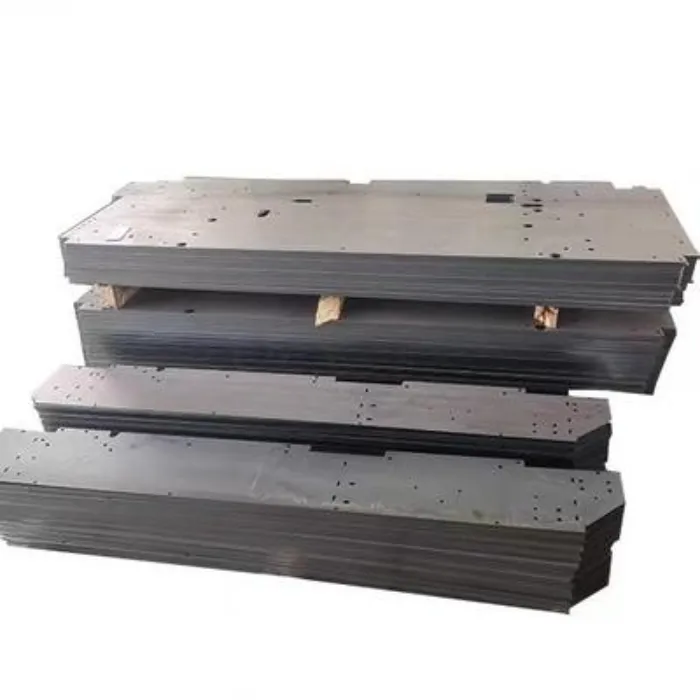
Carbon Steel Fabrication Plate
A high-precision carbon steel fabrication plate customized via CNC fiber laser cutting based on client CAD drawings. Standard grades include Q235B, Q355B, A36, and S355JR with optional hot-dip galvanizing. Shunchen provides integrated steel sourcing, processing, and export services with MTC 3.1 certification.
Shunchen Carbon Steel Fabrication Plate delivers precision-cut components for steel structures, machinery, and wall curtain systems. Utilizing advanced CNC fiber laser cutting for plates from 1.5 to 25 mm, it produces intricate contours and bolt holes in one pass. Backed by strict QA, optional hot-dip galvanizing, and EN 10204 3.1 MTCs, it ensures high consistency and fast delivery worldwide.
What Is Carbon Steel Fabrication Plate?
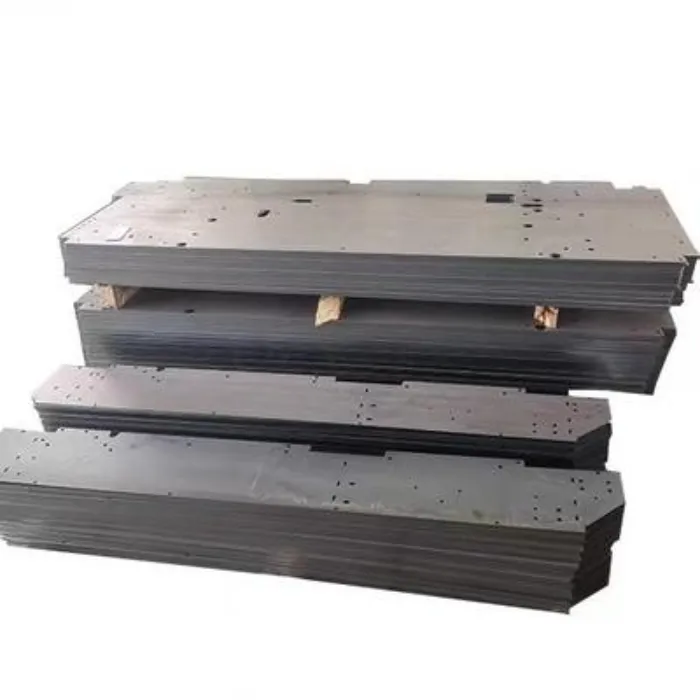
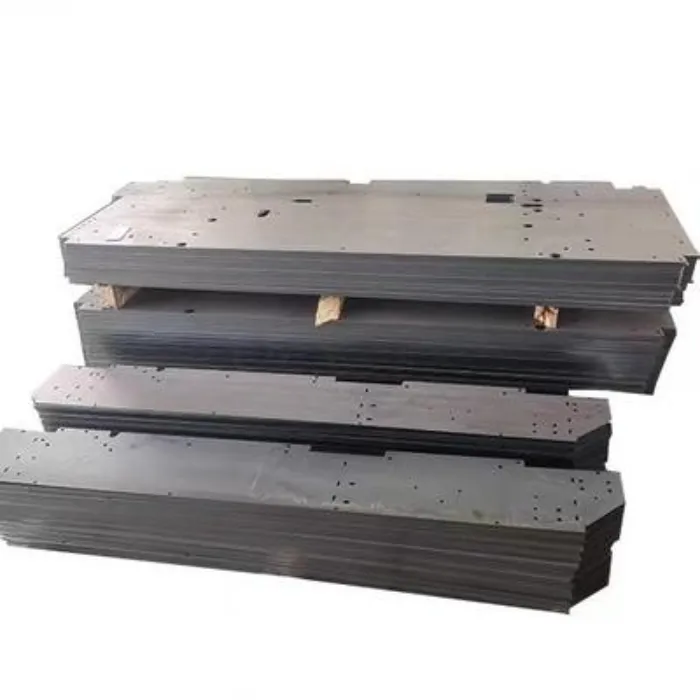
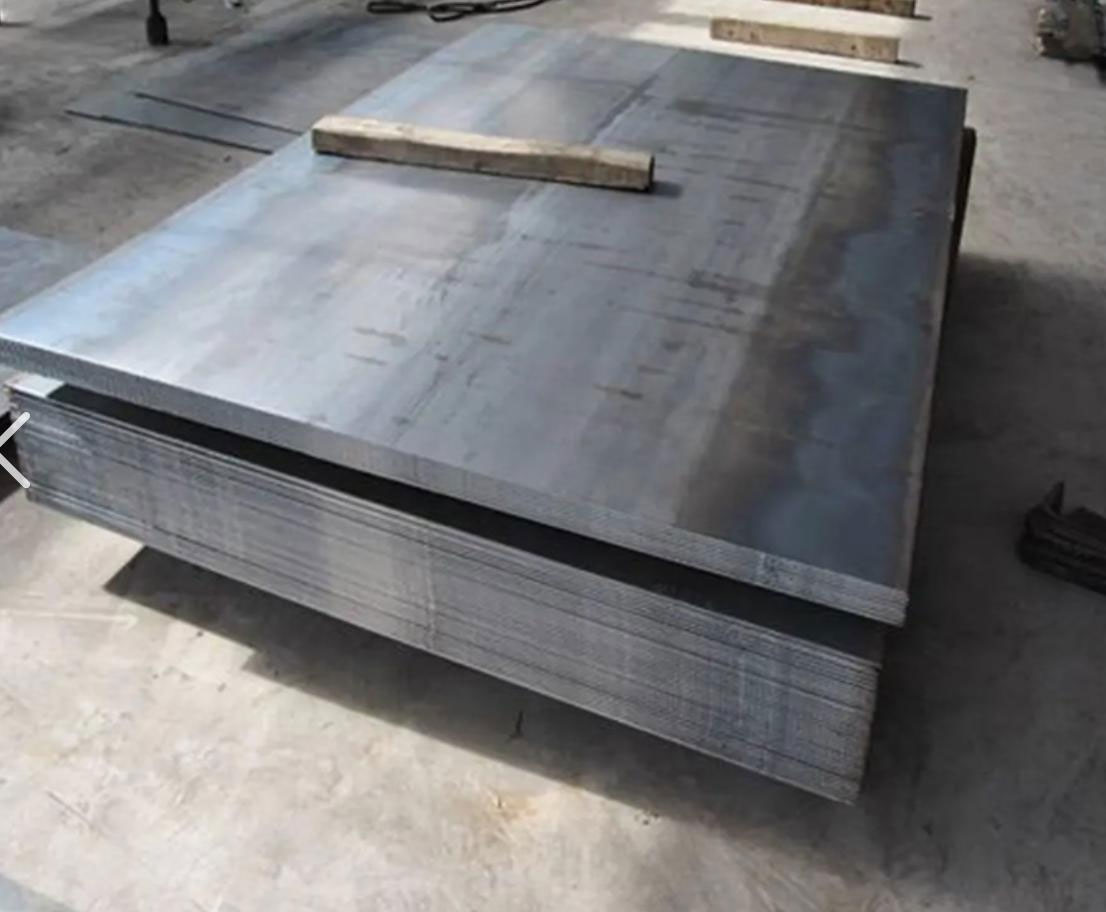
A Carbon Steel Fabrication Plate is a carbon steel plate that has been cut and processed into a specified size or shape for use as a structural or mechanical component. Instead of supplying only rectangular stock plates, Shunchen produces blanks according to customer drawings, including irregular contours, bolt holes, slots, mounting holes, and other required openings.
The base material can be Q235B, Q355B, ASTM A36, ASTM A572, S235JR, S355JR, SS400, or SM490, depending on the required strength and applicable material standard. Standard processing includes CNC fiber laser cutting and digital nesting. Hot-dip galvanizing and painting can be added when the finished component requires corrosion protection.
This type of fabricated plate is intended for customers who need cut-to-size steel components for welding, bolting, structural assembly, equipment manufacturing, or further surface treatment.
Key Features
CNC Laser Cutting
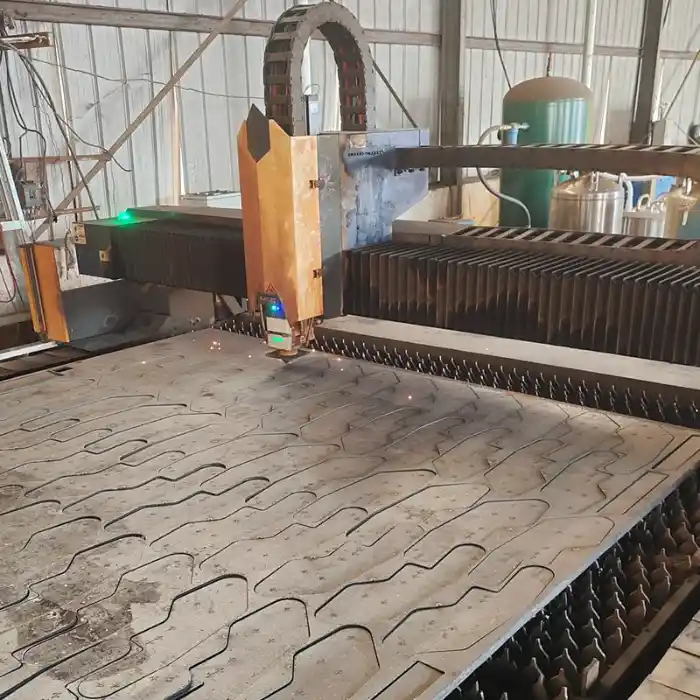
Shunchen processes Carbon Steel Fabrication Plate with CNC fiber laser cutting equipment. The cutting program is generated from the approved production drawing, allowing the same contour and hole pattern to be reproduced across a batch.
For plates within 10 mm thickness, the specified dimensional tolerance is ≤±0.1 mm. For 10–25 mm plates, the specified tolerance is ≤±0.2 mm. The actual tolerance is confirmed according to material thickness, geometry, and drawing requirements before production.
Clean Cut Edges
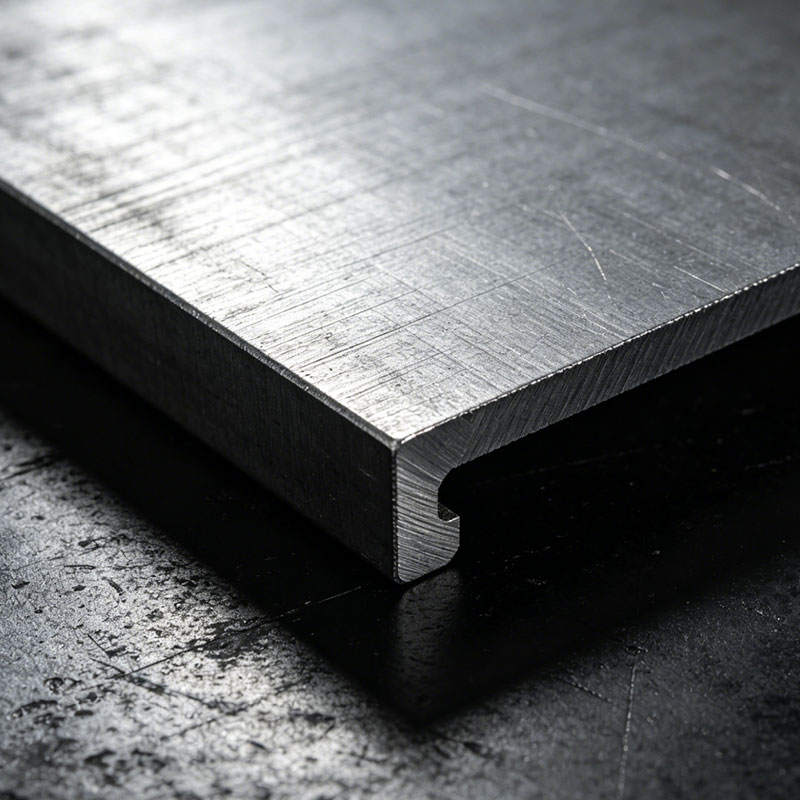
Laser cutting produces a narrower thermal cutting zone than conventional flame cutting. Shunchen specifies a cut-surface roughness of Ra ≤12.5 μm and controls visible burrs and cutting irregularities during final inspection.
For components that can be used directly after cutting, this reduces the need for manual edge grinding. If a project requires a specific edge condition, the requirement can be included in the production drawing.
Complex Contours and Holes
The cutting process can produce irregular outlines, internal openings, bolt holes, mounting holes, and slots in the same production operation. Digital nesting is used when several different components need to be cut from the same parent plate.
The minimum cutting aperture is approximately 0.5 times the plate thickness, subject to the material, geometry, and cutting conditions.
Material Options
Q235B and A36 are suitable for many general structural applications, while Q355B, A572, and S355JR provide higher specified yield strength for applications requiring stronger structural material.
The material grade is confirmed against the customer's purchase specification before production. Material certificates can be supplied for applicable orders.
Applications
Steel Structure Components
Carbon Steel Fabrication Plates are used for embedded plates, connection plates, base plates, stiffeners, brackets, and other steel structure components. Pre-cut bolt holes and defined contours allow these parts to move directly into workshop welding or site assembly.
For repeated components, CNC cutting also keeps the dimensions and hole positions consistent between batches.
Machinery Parts
Machinery manufacturers use cut steel blanks for equipment bases, brackets, frame components, mounting plates, reinforcement plates, and welded structural parts.
When the component is produced from a customer drawing, the cutting process can follow the required outer contour and hole arrangement instead of requiring the customer's workshop to mark and cut each part manually.
Curtain Wall Components
Carbon Steel Fabrication Plate can be processed into curtain wall connectors, keel accessories, reinforcement parts, and other custom metal fittings. Where the component is exposed to moisture or outdoor conditions, hot-dip galvanizing can be applied after cutting.
Municipal and Industrial Components
Cut steel components are also used for guardrail parts, sign supports, street-light accessories, agricultural machinery components, transportation equipment, and other fabricated steel assemblies.
Technical Parameters
Processing Specifications
| Parameter | Specification |
| Material | Q235B, Q355B, A36, A572, S235JR, S355JR, SS400, SM490 |
| Cutting Method | CNC fiber laser cutting |
| Plate Thickness | 1.5–25 mm |
| Plate Width | 100–2500 mm |
| Dimensional Tolerance | ≤±0.1 mm within 10 mm; ≤±0.2 mm at 10–25 mm |
| Cut Surface Roughness | Ra ≤12.5 μm |
| Cutting Verticality | ≤0.5° within 20 mm thickness |
| Minimum Cutting Aperture | Approx. 0.5 × plate thickness |
| Processing | Contour cutting, hole cutting, slot cutting, nesting |
| Surface Treatment | Black plate, hot-dip galvanized, painted |
| Material Certificate | EN 10204 3.1 available |
| Third-Party Inspection | SGS available |
Material Properties
| Grade | Tensile Strength | Yield Strength | Elongation |
| Q235B | 375–460 MPa | ≥235 MPa | ≥26% |
| Q355B | 470–630 MPa | ≥355 MPa | ≥21% |
Applicable Standards
| Standard | Typical Grades |
| GB/T 700 / GB/T 1591 | Q235B / Q355B |
| ASTM A36 / ASTM A572 | A36 / A572 |
| EN 10025-2 | S235JR / S355JR |
| JIS G3101 | SS400 / SM490 |
The applicable standard, material grade, thickness, and tolerance are confirmed from the purchase specification before production.
Quality Control
Material Inspection
Before cutting, the incoming plate is checked against the required grade and thickness. Mill test documentation is matched with the material information recorded for the order.
This prevents a different steel grade or thickness from entering production when the order requires a specific material specification.
Cutting Inspection
After laser cutting, inspectors check critical dimensions against the approved drawing. Depending on the part, this can include overall dimensions, contour geometry, hole diameter, hole position, and plate thickness.
For repeat production, inspection requirements can be established for the first pieces before the remaining batch is processed.
Edge Inspection
The cut edge is checked for excessive burrs, slag, visible deformation, and irregular cutting. Surface roughness requirements can be verified when specified by the customer.
Material Traceability
The production batch is linked to the corresponding raw material and inspection records. For orders requiring formal material documentation, an EN 10204 3.1 material certificate can be supplied.
SGS Inspection
When an independent inspection is required, SGS inspection can be arranged before shipment. The inspection scope can be defined according to the purchase contract, such as dimensions, material documentation, quantity, appearance, and other agreed requirements.
OEM Customization Service
Drawing Review
Shunchen accepts customer drawings for made-to-order Carbon Steel Fabrication Plate components. Before quotation, the technical team checks the drawing for material grade, thickness, dimensions, hole positions, tolerances, and processing requirements.
If a dimension or tolerance is not suitable for the selected material thickness or cutting process, it can be confirmed with the customer before production.
Nesting
For orders containing multiple part sizes or shapes, the components are arranged through digital nesting. The nesting layout is prepared according to the required quantity and parent plate dimensions.
This determines the cutting program before the steel plate enters the laser machine.
Cutting and Secondary Treatment
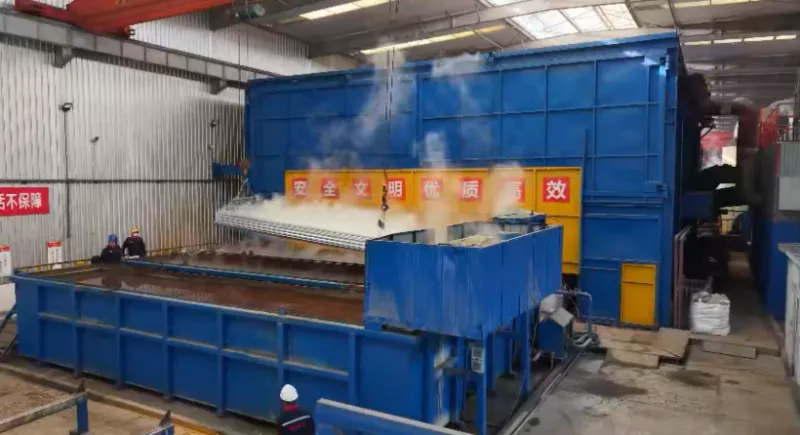
After drawing approval, the parts are laser cut according to the confirmed program. If the finished components require corrosion protection, they can then be sent for hot-dip galvanizing or painting.
The required surface treatment should be specified before production because it affects the subsequent processing route and inspection.
Inspection and Packaging
After processing, the finished components are inspected against the agreed requirements. Material certificates and third-party inspection documents can be prepared when included in the order.
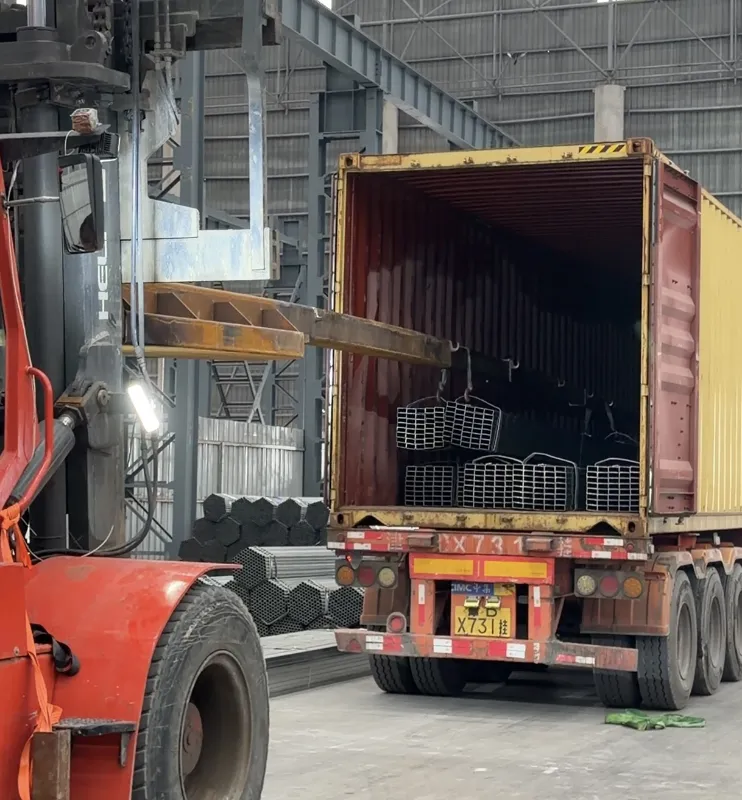
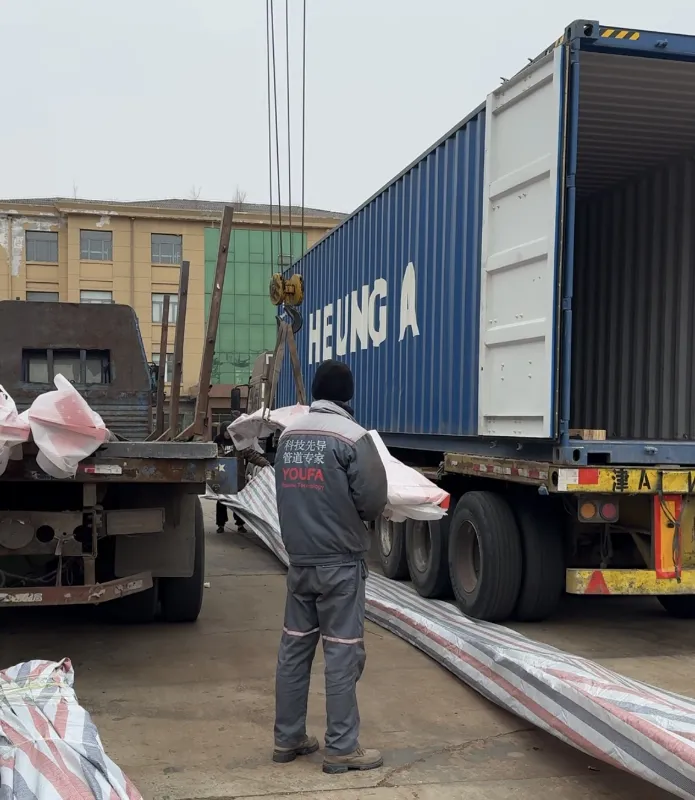
For export shipments, waterproof film, wooden pallets, and steel strapping can be used according to component size and shipping requirements.
Authentic Customer Reviews
"Laser cut steel plates greatly save our on-site processing time. ShunChen’s products have stable precision and zero burrs, which perfectly match our steel structure assembly requirements. Their delivery is always on schedule."
—— Omar Hassan, Project Manager, Middle East Construction Engineering Co., Ltd.
"We produce precision mechanical parts with strict tolerance requirements. ShunChen’s laser cutting carbon steel plates have minimal deformation and consistent batch quality, which effectively reduces our rejection rate and production cost."
—— Li Ming, Technical Director, Domestic Machinery Manufacturing Co., Ltd.
"Curtain wall engineering has high requirements for appearance and assembly accuracy. Their laser cut connectors have precise dimensions and smooth edges, which greatly improve our installation efficiency and project quality."
—— Zhang Wei, Procurement Director, East China Curtain Wall Engineering Company
Why Choose Us
Shunchen's main advantage for fabricated steel orders is that steel material sourcing, plate cutting, surface treatment, and export shipment can be handled within the same industrial group.
The group was established in the steel industry in 2014 and has since added hot-dip galvanizing, steel structure production, photovoltaic support manufacturing, warehousing, and logistics. Current annual production capacity exceeds 450,000 tons, with more than 40,000 square meters of production and storage space.
For customers purchasing fabricated components, this means the order does not have to be split between a steel supplier, cutting workshop, galvanizing company, and export trader.
Shunchen can confirm the material grade and cutting requirements from the customer's drawings, process the steel plate, arrange optional galvanizing or painting, complete the required inspection documents, and prepare the finished components for export shipment.
Conventional raw materials are stocked according to production requirements. Sample orders can generally be arranged within approximately 3 days, while bulk orders are commonly scheduled within 7–10 days. The actual lead time depends on material availability, order quantity, part geometry, surface treatment, and inspection requirements.
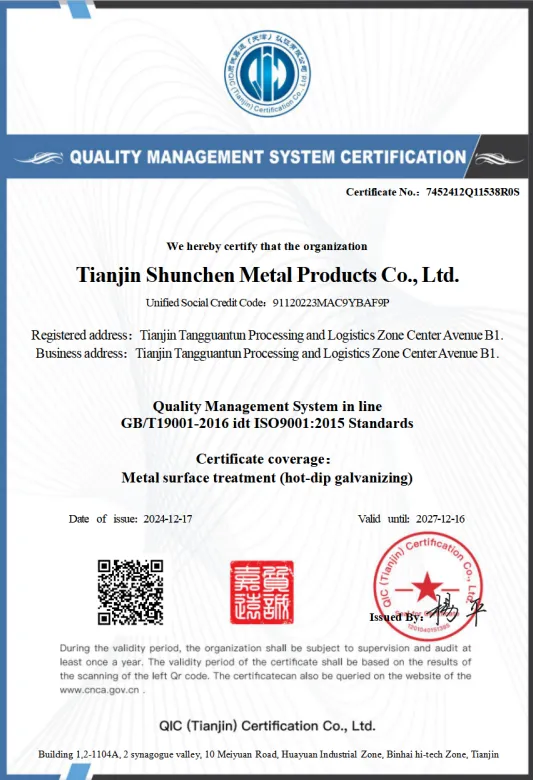
The company has ISO 9001 certification and supports MTC EN 10204 3.1 and SGS inspection for applicable export orders.
FAQ
What materials can be used for the Carbon Steel Fabrication Plates?
Common materials include Q235B, Q355B, ASTM A36, ASTM A572, S235JR, S355JR, SS400, and SM490. The required grade should be specified when requesting a quotation.
What thickness can be laser cut?
The standard processing range is 1.5–25 mm. If the required thickness falls outside this range, the technical team can review the material and component geometry before confirming production.
Can you cut steel plates according to CAD drawings?
Yes. Customers can provide CAD drawings or other suitable engineering files. The drawing is reviewed before production to confirm dimensions, material, thickness, hole positions, and tolerances.
Can you process holes together with the plate contour?
Yes. Bolt holes, mounting holes, slots, and other internal geometries can be included in the CNC cutting program. Hole size and positional tolerance should be specified in the drawing.
Can the cut components be galvanized?
Yes. Hot-dip galvanizing can be arranged after cutting. This is commonly used for outdoor structural components, curtain wall fittings, and other parts requiring additional corrosion protection.
Can you provide MTC and SGS reports?
Yes. EN 10204 3.1 material certificates are available for applicable orders. SGS third-party inspection can also be arranged when required by the customer's purchasing specification.
What information is required for a quotation?
The quotation normally requires the steel grade, thickness, component drawing, quantity, required tolerance, surface treatment, inspection requirements, and delivery destination. If the drawing contains several different components, the required quantity for each part should also be provided.
What is the normal lead time?
Sample orders can generally be arranged within about 3 days, while bulk orders are commonly scheduled within 7–10 days. The final lead time is confirmed after reviewing the material, quantity, cutting complexity, surface treatment, and inspection requirements.
Send Inquiry
Contact Info
-
Address
Shunchen Industrial Co., Ltd., Anzhuangzi Industrial Park, Xizhaizhuang Town, Jinghai District, Tianjin,China
-
Tel
-
Looking for affordable, high-quality steel? Send an inquiry to Shunchen. We provide customized solutions and low-price quotations within 24 hours for your bulk orders.

News Recommendations