How to Choose the Right T-Shaped Steel for Your Project?
Abstract: T-Shaped Steel is a versatile structural material widely used in construction, machinery, and infrastructure projects. However, selecting the correct type, size, and specification can be challenging for buyers facing issues such as load requirements, cost control, and durability. This article provides a comprehensive guide to understanding T-Shaped Steel, its applications, advantages, selection criteria, and common pitfalls—helping you make informed purchasing decisions with confidence.
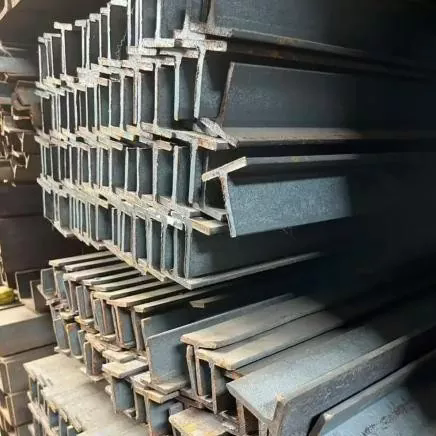
Table of Contents
- What is T-Shaped Steel?
- Key Applications of T-Shaped Steel
- Advantages of Using T-Shaped Steel
- Types and Specifications
- How to Select the Right T-Shaped Steel
- Comparison Table: T-Shaped Steel vs Other Profiles
- Common Buying Mistakes to Avoid
- FAQ
What is T-Shaped Steel?
T-Shaped Steel is a structural steel profile shaped like the letter "T", consisting of a flange and a vertical web. It is typically produced through hot rolling or welding processes and is designed to provide high strength and load-bearing capacity in both horizontal and vertical directions.
This type of steel is commonly used in structural frameworks where stability, weight distribution, and resistance to bending are critical. Due to its geometry, T-shaped steel offers excellent support while minimizing material usage, making it a cost-effective solution.
Key Applications of T-Shaped Steel
T-Shaped Steel is widely used across various industries. Below are some of the most common applications:
- Construction frameworks and support beams
- Bridge structures and reinforcement systems
- Shipbuilding and offshore platforms
- Railway infrastructure
- Mechanical manufacturing and equipment bases
In modern engineering, companies like Shunchen provide customized T-shaped steel solutions tailored to specific project requirements, ensuring optimal performance and safety.
Advantages of Using T-Shaped Steel
Choosing T-Shaped Steel offers multiple benefits, especially for projects requiring durability and efficiency:
- High Strength-to-Weight Ratio: Provides excellent load-bearing capacity without excessive material use
- Structural Stability: Ideal for supporting vertical and horizontal loads
- Cost Efficiency: Reduces overall material and transportation costs
- Versatility: Suitable for a wide range of applications
- Ease of Fabrication: Can be cut, welded, and assembled with ease
Types and Specifications
T-Shaped Steel comes in various forms depending on manufacturing methods and application requirements:
| Type | Manufacturing Method | Typical Use |
|---|---|---|
| Hot Rolled T-Steel | Direct rolling | Heavy structural applications |
| Welded T-Steel | Cutting and welding | Custom-sized projects |
| Stainless T-Steel | Corrosion-resistant alloy | Marine and chemical environments |
When sourcing materials, it is important to verify dimensions, tolerances, and material grades to ensure compatibility with your engineering requirements.
How to Select the Right T-Shaped Steel
Selecting the appropriate T-Shaped Steel involves evaluating several critical factors:
1. Load Requirements
Determine the weight and stress the structure must support. Heavier loads require thicker flanges and webs.
2. Material Grade
Choose the correct steel grade based on strength, ductility, and environmental exposure.
3. Corrosion Resistance
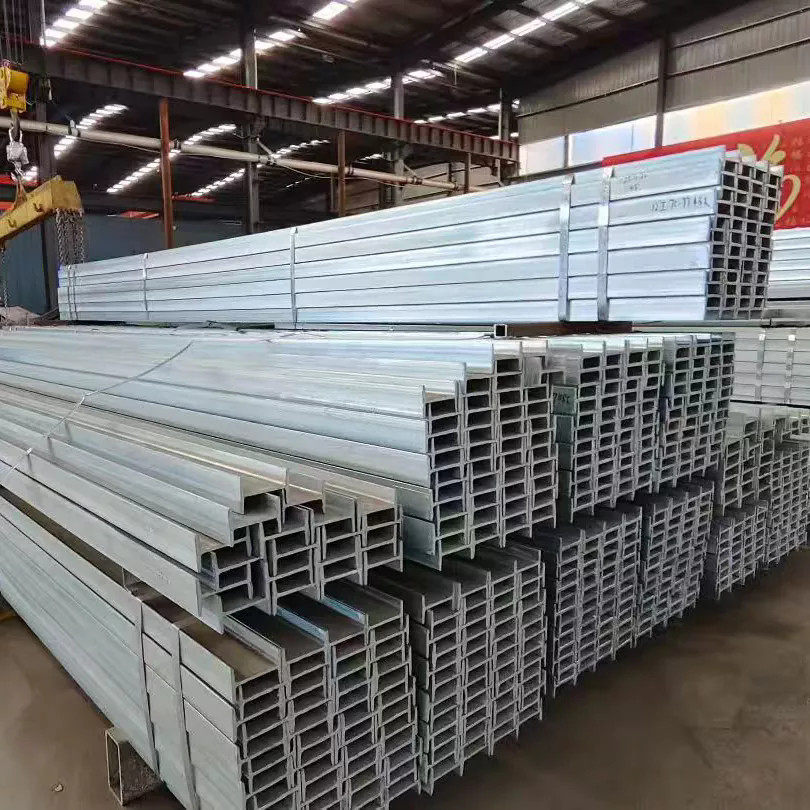
For outdoor or marine use, consider galvanized or stainless options.
4. Dimensions and Tolerance
Ensure precise measurements to avoid installation issues and structural weaknesses.
5. Supplier Reliability
Working with experienced manufacturers like Shunchen ensures consistent quality, certifications, and technical support.
Comparison Table: T-Shaped Steel vs Other Profiles
| Feature | T-Shaped Steel | I-Beam | Angle Steel |
|---|---|---|---|
| Load Distribution | Balanced | High vertical | Limited |
| Material Efficiency | High | Moderate | High |
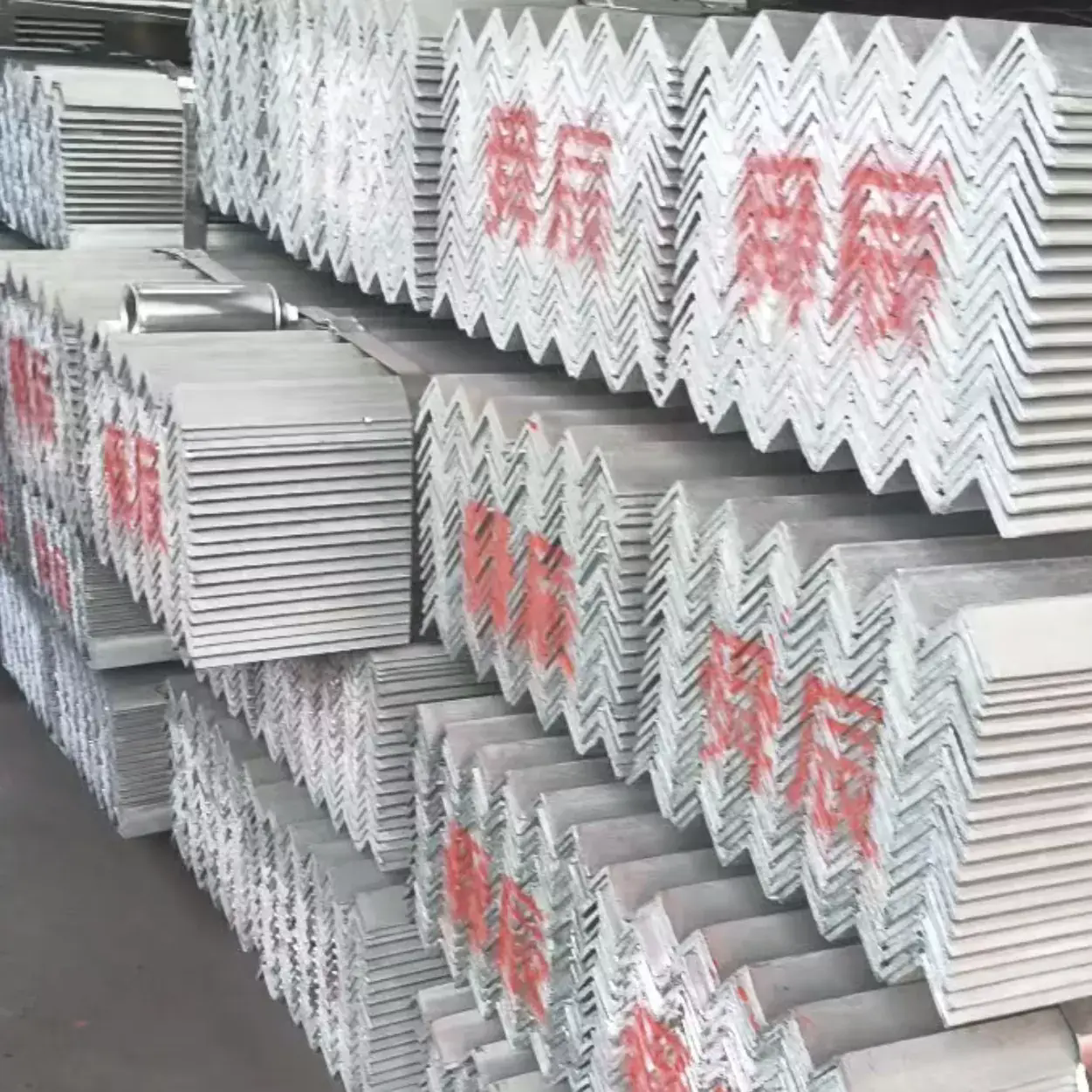
| Applications | Versatile | Heavy structures | Light supports |
Common Buying Mistakes to Avoid
- Ignoring load calculations and safety factors
- Choosing incorrect material grades
- Overlooking corrosion protection needs
- Focusing only on price instead of quality
- Purchasing from unreliable suppliers
These mistakes can lead to structural failures, increased maintenance costs, and project delays.
FAQ
Q1: What industries use T-Shaped Steel the most?
Construction, shipbuilding, and infrastructure projects are the primary users.
Q2: Can T-Shaped Steel be customized?
Yes, welded T-shaped steel can be tailored to specific sizes and requirements.
Q3: Is T-Shaped Steel suitable for outdoor use?
Yes, especially when treated with galvanization or made from stainless steel.
Q4: How do I ensure quality when purchasing?
Work with trusted suppliers like Shunchen who provide certifications and consistent quality control.
Conclusion: Choosing the right T-Shaped Steel is crucial for ensuring structural integrity, cost efficiency, and long-term durability. By understanding the different types, applications, and selection criteria, you can avoid common pitfalls and make smarter purchasing decisions.
If you are looking for reliable T-Shaped Steel solutions, Shunchen offers professional manufacturing, strict quality control, and customized services to meet your project needs. Contact us today to get expert support and competitive pricing tailored to your requirements.
Related News
- What Are the Common Lengths Available for Steel Channels?
- How Does Hot-Dip Galvanizing Protect Steel Channels?
- What makes Angle Steel the go-to material for industrial plant maintenance?
- Why Is Hot Dip Galvanized Grating Important for Modern Industry?
- What makes Angle Steel the top choice for transmission tower construction?
- Why Is CARBON STEEL STRUCTURAL ANGLE BAR a Smart Choice for Modern Structural Projects
Leave me a message