How Is Octagonal Steel Used in Modern Industrial Projects?
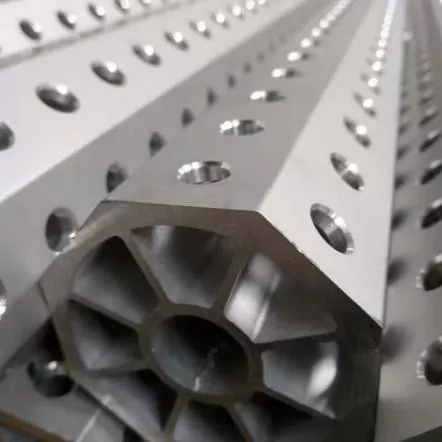
Octagonal steel has become an important material in infrastructure, construction, utility systems, transportation engineering, and heavy industrial manufacturing. Its unique eight-sided geometry provides outstanding structural stability, excellent torsional resistance, and efficient load distribution compared with traditional round or square steel profiles.
Industries worldwide increasingly rely on octagonal steel poles, tubes, and structural sections for projects that demand high strength, long service life, corrosion resistance, and efficient fabrication. Whether used in street lighting systems, traffic signal poles, communication towers, or power transmission structures, octagonal steel offers a balance between durability, cost efficiency, and modern engineering performance.
In this article, Shunchen explores how octagonal steel is manufactured, where it is commonly used, its key advantages, and how buyers can select the right specification for their projects.
Article Summary
This comprehensive guide explains the structure, manufacturing process, applications, advantages, and purchasing considerations of octagonal steel. It also highlights how octagonal steel improves structural integrity in modern engineering projects while reducing maintenance and operational costs.
Table of Contents
- What Is Octagonal Steel?
- Manufacturing Process of Octagonal Steel
- Major Advantages of Octagonal Steel
- Common Applications in Industry
- Octagonal Steel vs Other Steel Shapes
- How to Choose the Right Octagonal Steel
- Maintenance and Corrosion Protection
- Future Trends in Octagonal Steel
- FAQ
What Is Octagonal Steel?
Octagonal steel refers to steel products manufactured with an eight-sided cross-sectional profile. Unlike circular or square steel tubes, octagonal steel combines enhanced mechanical performance with a streamlined geometric design that improves structural behavior under dynamic loads.
The octagonal structure distributes stress more evenly across multiple surfaces. This feature makes it highly suitable for utility poles, lighting systems, high-mast poles, telecommunications towers, and transportation infrastructure.
Octagonal steel can be produced in different dimensions, wall thicknesses, and steel grades depending on project requirements. Most products are manufactured from carbon steel or low-alloy high-strength steel materials.
Product page reference: Octagonal Steel by Shunchen
Manufacturing Process of Octagonal Steel
The manufacturing process of octagonal steel directly influences its strength, dimensional precision, and long-term durability. High-quality production ensures the steel can withstand harsh environmental and mechanical conditions.
- Raw material preparation
- Steel plate cutting
- Cold forming or roll forming
- Longitudinal welding
- Shape calibration
- Surface treatment and galvanization
- Inspection and quality testing
Advanced production facilities use automated forming and welding technologies to ensure consistent dimensions and reliable weld integrity. Hot-dip galvanization is commonly applied to improve corrosion resistance for outdoor installations.
| Manufacturing Stage | Purpose |
|---|---|
| Steel Forming | Create the octagonal profile with accurate dimensions |
| Welding | Ensure structural continuity and strength |
| Galvanization | Protect against corrosion and weather exposure |
| Inspection | Verify mechanical and dimensional performance |
Major Advantages of Octagonal Steel
Octagonal steel provides several engineering and economic benefits that make it highly attractive for modern industrial projects.
- Excellent structural stability
- Improved wind resistance
- High torsional strength
- Reduced maintenance costs
- Efficient load distribution
- Modern appearance for urban projects
- Long service life after galvanization
One major advantage is aerodynamic efficiency. Compared with square structures, octagonal steel reduces wind pressure concentration, which is particularly important for tall poles and outdoor infrastructure systems.
Additionally, the shape improves stress dispersion and minimizes weak points during long-term service. This increases reliability in applications exposed to vibration, heavy loads, and environmental stress.
Common Applications in Industry
Octagonal steel is widely used across multiple industries because of its structural efficiency and flexibility in fabrication.
| Industry | Application |
|---|---|
| Infrastructure | Street light poles and traffic signal poles |
| Power Transmission | Electrical utility poles and transmission structures |
| Telecommunications | Communication towers and antenna supports |
| Transportation | Highway signage systems |
| Industrial Facilities | Structural support systems |
Urban infrastructure projects especially prefer octagonal steel because it combines functionality with a cleaner architectural appearance. Many municipalities choose octagonal poles for modern city planning and smart transportation systems.
In energy sectors, octagonal steel structures are commonly used in renewable energy support systems due to their high strength-to-weight ratio and long operational lifespan.
Octagonal Steel vs Other Steel Shapes
Buyers often compare octagonal steel with round steel tubes or square steel sections before making procurement decisions.
| Feature | Octagonal Steel | Round Steel | Square Steel |
|---|---|---|---|
| Wind Resistance | Excellent | Good | Moderate |
| Torsional Strength | High | Moderate | Moderate |
| Appearance | Modern | Traditional | Industrial |
| Structural Stability | Excellent | Good | Good |
| Application Flexibility | High | Moderate | Moderate |
Octagonal steel offers a strong balance between structural engineering performance and aesthetic design, making it increasingly popular in modern infrastructure development.
How to Choose the Right Octagonal Steel
Selecting the proper octagonal steel specification is critical for ensuring safety, longevity, and project efficiency.
Buyers should carefully evaluate:
- Steel grade and material composition
- Wall thickness requirements
- Load-bearing capacity
- Environmental exposure conditions
- Galvanization standards
- Project height and wind load requirements
- Compliance with international standards
Reliable suppliers such as Shunchen provide customized production services based on engineering drawings and technical specifications. Working with experienced manufacturers helps reduce installation risks and ensures product consistency.
It is also important to verify welding quality, zinc coating thickness, and dimensional tolerances before bulk purchasing.
Maintenance and Corrosion Protection
Proper maintenance significantly extends the service life of octagonal steel structures.
Hot-dip galvanization remains one of the most effective corrosion protection methods. The zinc coating creates a protective barrier that prevents oxidation and environmental damage.
Recommended maintenance practices include:
- Routine visual inspections
- Checking for coating damage
- Cleaning surface contaminants
- Monitoring structural connections
- Applying protective coatings when necessary
In coastal or high-humidity environments, additional protective coatings may be required to maximize durability.
Future Trends in Octagonal Steel
As infrastructure modernization accelerates worldwide, demand for octagonal steel continues to grow. Smart city projects, renewable energy systems, intelligent transportation networks, and telecommunications expansion all contribute to increasing market demand.
Future developments are expected to focus on:
- Higher-strength lightweight steel materials
- Advanced anti-corrosion technologies
- Precision robotic welding systems
- Sustainable manufacturing processes
- Customized engineering solutions
Manufacturers that invest in advanced production capabilities and strict quality control systems will remain competitive in the evolving global market.
FAQ
What is octagonal steel mainly used for?
Octagonal steel is mainly used for street lighting poles, traffic signal poles, power transmission structures, communication towers, and industrial support systems.
Why is octagonal steel preferred for outdoor structures?
Its geometry provides improved wind resistance, structural stability, and efficient load distribution, making it ideal for outdoor applications.
Can octagonal steel resist corrosion?
Yes. Most octagonal steel products undergo hot-dip galvanization, which provides strong corrosion resistance and extends service life.
How long does galvanized octagonal steel last?
Depending on environmental conditions and maintenance, galvanized octagonal steel can last several decades.
Can octagonal steel be customized?
Yes. Manufacturers like Shunchen can customize dimensions, wall thickness, steel grades, and surface treatments according to project requirements.
Conclusion
Octagonal steel has become an essential solution for modern infrastructure and industrial engineering because of its superior structural performance, long-term durability, and efficient design characteristics. From utility systems to transportation infrastructure, its applications continue expanding across global markets.
Choosing a trusted manufacturer is crucial for ensuring product quality, engineering reliability, and long-term project success. Shunchen delivers professional octagonal steel solutions tailored to diverse industrial requirements with strict quality standards and advanced manufacturing capabilities.
If you are looking for reliable octagonal steel products for your next project, contact us today to receive professional support, customized solutions, and competitive pricing from Shunchen.
Related News
- How Do Hot Rolled and Welded T-Shaped Steel Profiles Differ in Manufacturing and Performance?
- Why Is Octagonal Steel a Core Material for Multiple Industries?
- What Are the Common Lengths Available for Steel Channels?
- How Does Hot-Dip Galvanizing Protect Steel Channels?
- What makes Angle Steel the go-to material for industrial plant maintenance?
- Why Is Hot Dip Galvanized Grating Important for Modern Industry?
Leave me a message