How Does Seamless Steel Pipe Ensure High Performance in Industrial Applications
Abstract
Seamless steel pipes are critical components in modern industrial infrastructure, widely used in oil and gas transportation, mechanical engineering, automotive systems, and construction projects. Unlike welded pipes, seamless steel pipes are manufactured without any joints, offering superior strength, pressure resistance, and corrosion performance. This article provides a comprehensive analysis of how seamless steel pipes work, their production process, advantages, selection criteria, and real-world applications. It is designed to help engineers, procurement specialists, and industrial buyers make informed decisions while addressing common challenges such as durability, safety, and cost efficiency.
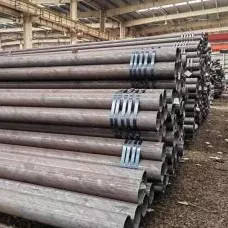
Table of Contents
- 1. Introduction to Seamless Steel Pipe
- 2. Manufacturing Process Explained
- 3. Key Advantages Over Welded Pipes
- 4. Industrial Applications and Use Cases
- 5. Technical Specifications and Comparison Table
- 6. How to Choose the Right Seamless Steel Pipe
- 7. Common Problems and Practical Solutions
- 8. Quality Standards and Inspection Methods
- 9. Frequently Asked Questions (FAQ)
- 10. Conclusion and Supplier Information
Outline
- Understanding seamless steel pipe fundamentals
- Production technologies and forming methods
- Mechanical and chemical advantages
- Industrial sectors relying on seamless pipes
- Selection and procurement guidance
- Maintenance and performance optimization
1. Introduction to Seamless Steel Pipe
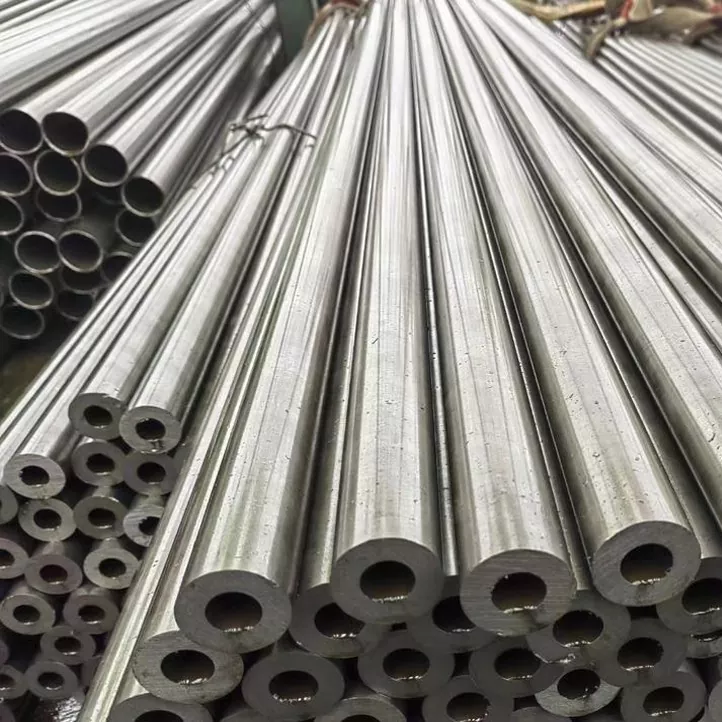
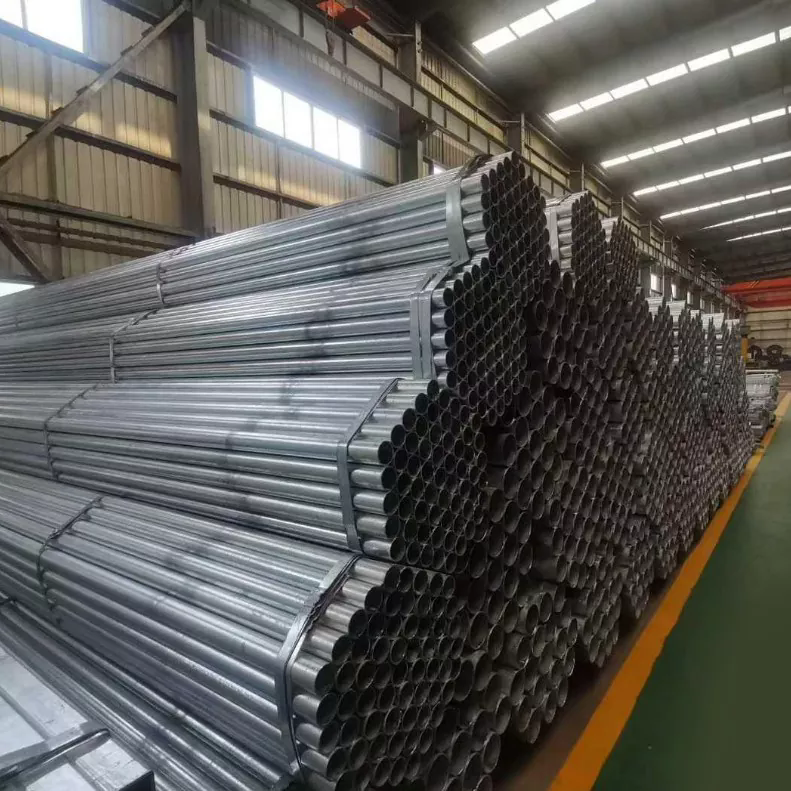
A seamless steel pipe is a hollow cylindrical steel product manufactured without a welded seam. It is produced from a solid billet that is heated and pierced to form a hollow tube. This structural integrity makes it significantly stronger than welded alternatives, especially in high-pressure environments.
Industries that demand reliability under extreme conditions often choose seamless steel pipes because they minimize the risk of leakage, rupture, and mechanical failure. These characteristics make them indispensable in energy, chemical processing, and heavy machinery sectors.
2. Manufacturing Process Explained
The production of seamless steel pipe involves several precision-controlled stages. Each stage ensures that the final product meets strict mechanical and chemical requirements.
- Billet Preparation: High-quality steel billets are selected based on composition requirements.
- Heating: The billet is heated to extremely high temperatures for malleability.
- Piercing: A rotary piercing method creates a hollow center.
- Rolling and Elongation: The tube is elongated and shaped to desired dimensions.
- Heat Treatment: Enhances strength, hardness, and structural stability.
- Finishing and Inspection: Includes straightening, cutting, and surface treatment.
This controlled process eliminates welded joints, resulting in uniform mechanical properties across the pipe structure.
3. Key Advantages Over Welded Pipes
Seamless steel pipes offer multiple performance advantages that make them a preferred choice in demanding applications.
| Feature | Seamless Steel Pipe | Welded Pipe |
|---|---|---|
| Structural Integrity | High, no seam weak points | Moderate, weld joint present |
| Pressure Resistance | Excellent | Limited |
| Corrosion Resistance | Uniform surface performance | Potential weld corrosion risk |
| Application Scope | High-end industrial systems | Low to medium pressure systems |
These advantages significantly reduce maintenance costs and enhance system reliability over time.
4. Industrial Applications and Use Cases
Seamless steel pipes are widely used across multiple industries due to their strength and durability.
- Oil and gas transmission pipelines
- High-pressure boiler systems
- Automotive hydraulic systems
- Structural engineering projects
- Shipbuilding and marine engineering
- Chemical processing plants
In each of these sectors, system failure is not an option, making seamless steel pipes a trusted solution for critical infrastructure.
5. Technical Specifications and Comparison Table
Understanding technical parameters is essential when selecting the correct seamless steel pipe for industrial use.
| Parameter | Typical Range |
|---|---|
| Outer Diameter | 6 mm – 610 mm |
| Wall Thickness | 1 mm – 50 mm |
| Material Grade | Carbon Steel, Alloy Steel, Stainless Steel |
| Temperature Resistance | -40°C to 600°C (depending on grade) |
6. How to Choose the Right Seamless Steel Pipe
Selecting the right product requires careful evaluation of operational conditions and technical requirements.
- Pressure Requirements: Higher pressure systems require thicker wall pipes.
- Corrosive Environment: Stainless or alloy steel is preferred in chemical industries.
- Temperature Conditions: High-temperature applications require heat-resistant grades.
- Standard Compliance: Ensure compliance with ASTM, API, or DIN standards.
Proper selection reduces failure risk and improves long-term operational efficiency.
7. Common Problems and Practical Solutions
Even high-quality seamless steel pipes can face operational challenges if not properly selected or maintained.
- Corrosion: Use protective coatings or corrosion-resistant alloys.
- Pressure Fatigue: Choose higher-grade materials for dynamic pressure systems.
- Thermal Expansion: Incorporate expansion joints in pipeline design.
Preventive engineering design is essential to maximize system lifespan.
8. Quality Standards and Inspection Methods
Quality assurance is a critical step in seamless steel pipe production. Common inspection methods include:
- Ultrasonic testing for internal defects
- Hydrostatic pressure testing
- Dimensional accuracy checks
- Chemical composition analysis
These methods ensure the final product meets stringent industrial requirements.
9. Frequently Asked Questions (FAQ)
Q1: What makes seamless steel pipe stronger than welded pipe?
A: Because it has no welded seam, stress distribution is uniform, reducing weak points.
Q2: Can seamless steel pipes be used in high-temperature environments?
A: Yes, depending on material grade, they can withstand extreme temperatures.
Q3: Are seamless steel pipes more expensive?
A: Yes, but they offer longer service life and lower maintenance costs.
Q4: What industries use seamless steel pipes most?
A: Oil & gas, construction, automotive, and chemical industries are primary users.
10. Conclusion and Supplier Information
Seamless steel pipes represent a critical engineering solution for industries requiring strength, reliability, and long-term performance. Their unique manufacturing process eliminates structural weaknesses, making them suitable for high-pressure and high-temperature applications. By carefully selecting the right specifications and adhering to quality standards, businesses can significantly improve operational safety and efficiency.
Tianjin Shunchen Hongye Enterprise Management Co., Ltd. is committed to providing high-quality seamless steel pipe solutions tailored to industrial needs. With a focus on material precision, strict quality control, and global supply capability, the company supports clients across multiple sectors with reliable steel products designed for demanding environments.
For detailed product consultation, technical specifications, or bulk procurement support, please contact us to receive professional assistance and competitive solutions for your project requirements.
Related News
- What Are the Common Lengths Available for Steel Channels?
- How Does Hot-Dip Galvanizing Protect Steel Channels?
- What makes Angle Steel the go-to material for industrial plant maintenance?
- Why Is Hot Dip Galvanized Grating Important for Modern Industry?
- What makes Angle Steel the top choice for transmission tower construction?
- Why Is CARBON STEEL STRUCTURAL ANGLE BAR a Smart Choice for Modern Structural Projects
Leave me a message