How Does Round Tube Support Structural and Industrial Applications?
Article Abstract
Round tube is one of the most widely used steel profiles across construction, manufacturing, infrastructure, and mechanical engineering. Its balanced geometry, uniform strength distribution, and versatile material options make it a preferred solution for projects that demand durability, precision, and cost efficiency. This article explains how round tube addresses common customer challenges, explores its manufacturing processes, compares material options, and provides practical guidance for selecting the right specifications for different applications.
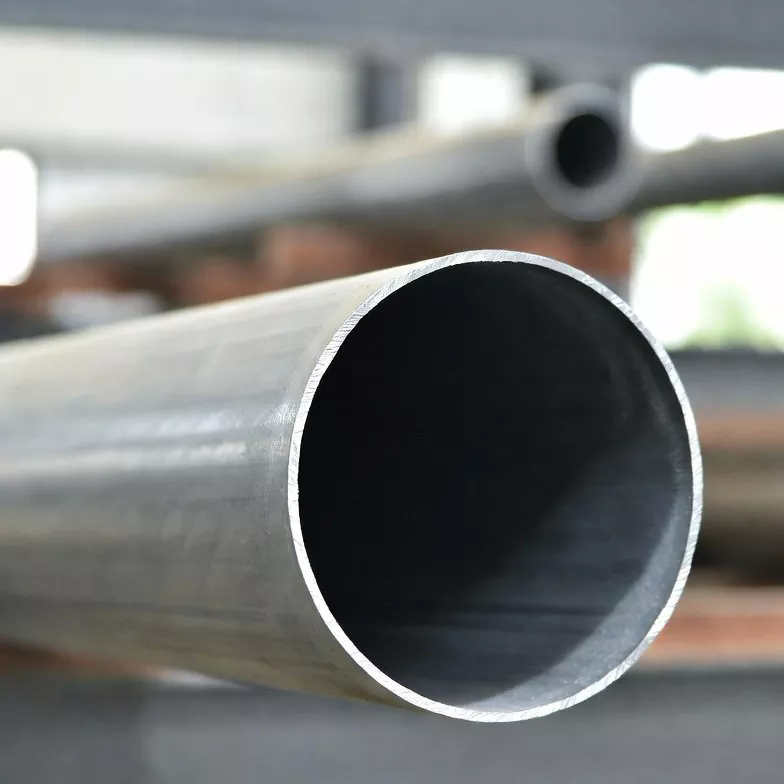
Table of Contents
- Content Overview
- What Is a Round Tube?
- Key Customer Pain Points
- Why Round Tube Performs Better
- Common Materials and Standards
- Typical Application Scenarios
- How to Choose the Right Round Tube
- Round Tube vs Other Steel Profiles
- Frequently Asked Questions
Content Overview
- Basic definition and structural characteristics of round tube
- Customer challenges in sourcing and application
- Performance advantages in real-world use
- Material grades, dimensions, and tolerances
- Selection checklist for buyers and engineers
What Is a Round Tube?
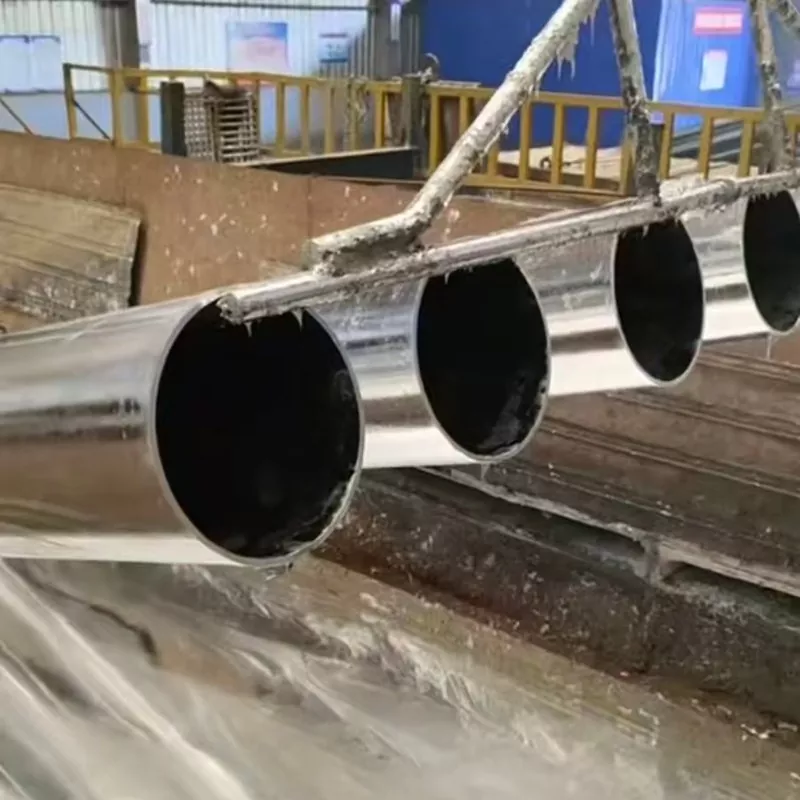
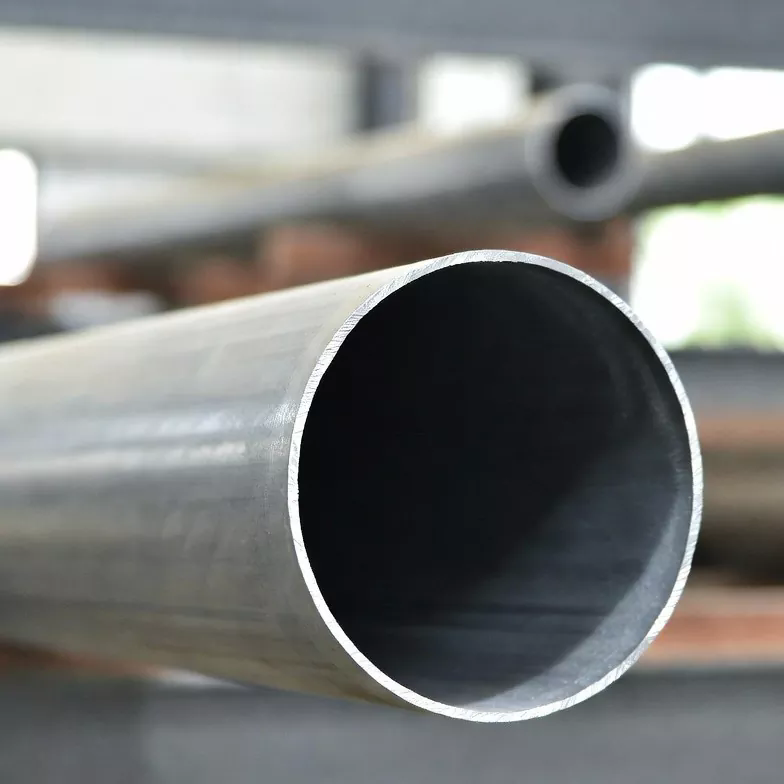
A round tube is a hollow cylindrical steel product manufactured through processes such as electric resistance welding, seamless rolling, or cold drawing. Unlike solid bars, round tubes offer high strength-to-weight efficiency while reducing material consumption. The circular cross-section ensures even stress distribution, which improves performance under compression, bending, and torsional loads.
Round tubes are produced in a wide range of outer diameters, wall thicknesses, and lengths, making them adaptable to both load-bearing and fluid-transfer applications.
Key Customer Pain Points
- Unclear material selection: Different projects require different grades, but buyers often struggle to match material properties with actual usage conditions.
- Dimensional inconsistency: Poor tolerance control can cause assembly delays or structural misalignment.
- Corrosion concerns: In outdoor or industrial environments, inadequate surface treatment leads to reduced service life.
- Cost-performance imbalance: Over-specifying materials increases cost, while under-specifying risks failure.
Why Round Tube Performs Better
The geometry of round tube offers inherent mechanical advantages. Compared with square or rectangular profiles, the circular shape minimizes stress concentration and provides uniform resistance in all directions.
- High torsional resistance for rotating or dynamic systems
- Reduced wind and fluid resistance in exposed structures
- Efficient material usage with lower overall weight
- Improved fatigue performance in cyclic load environments
Common Materials and Standards
Round tubes are manufactured in carbon steel, alloy steel, and stainless steel grades. The choice depends on load requirements, environmental exposure, and fabrication methods.
| Material Type | Typical Standard | Key Characteristics | Common Uses |
|---|---|---|---|
| Carbon Steel | ASTM A500 / EN 10219 | Good strength, cost-effective | Construction frames, supports |
| Alloy Steel | ASTM A519 | Enhanced mechanical properties | Machinery, automotive parts |
| Stainless Steel | ASTM A554 | Corrosion resistance, clean surface | Food, chemical, architectural use |
Typical Application Scenarios
Due to its adaptability, round tube is used across multiple industries:
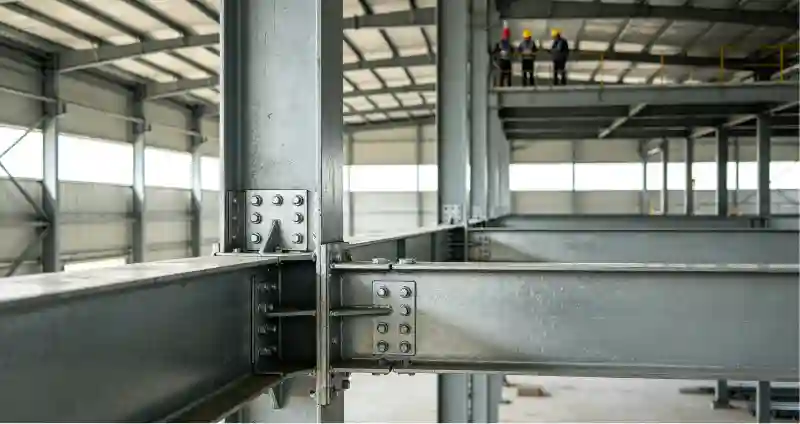
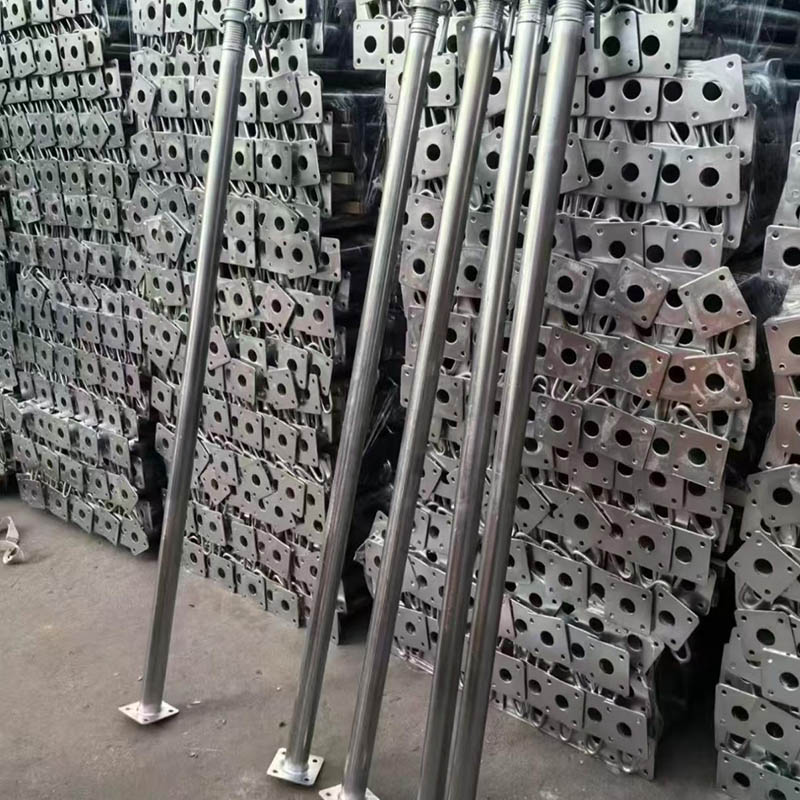
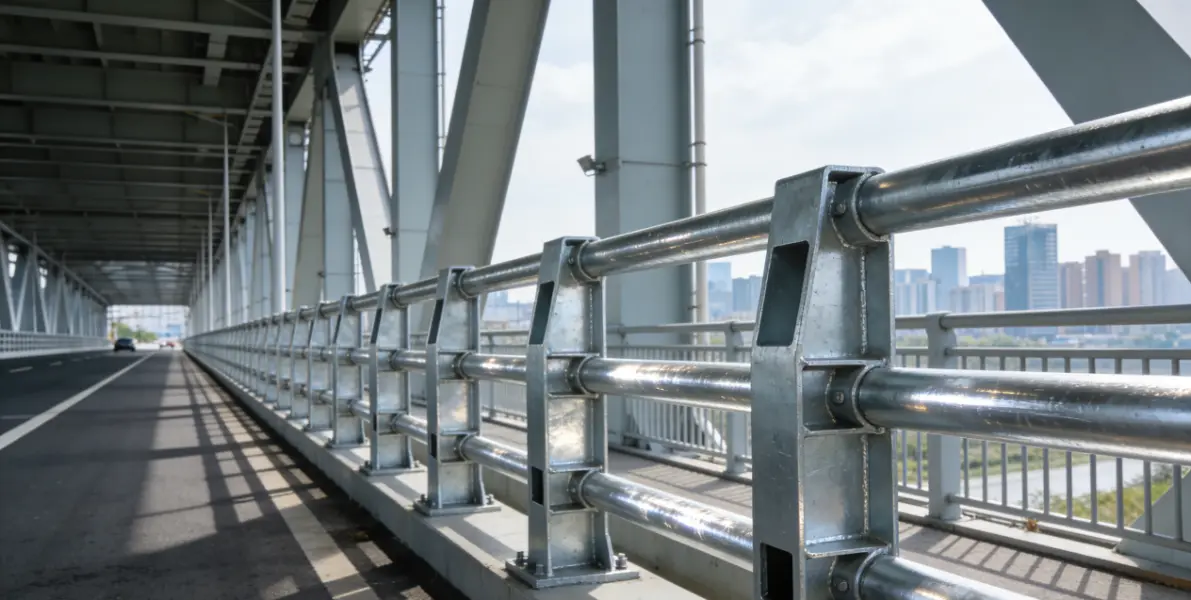
- Structural columns, scaffolding, and handrails
- Mechanical shafts, rollers, and frames
- Fluid and gas transportation systems
- Agricultural equipment and greenhouse structures
- Furniture, fitness equipment, and decorative elements
How to Choose the Right Round Tube
Selecting the appropriate round tube requires a systematic approach. Buyers should evaluate both technical and commercial factors.
- Define load type: static, dynamic, or cyclic
- Confirm outer diameter and wall thickness tolerance
- Assess environmental exposure and corrosion risk
- Match material grade with fabrication methods such as welding or bending
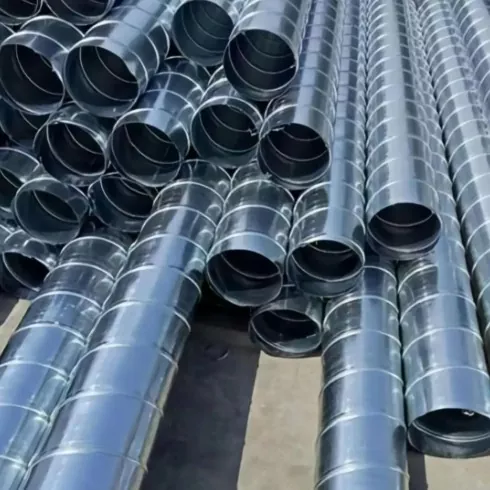
- Consider surface finish requirements such as galvanized or pickled
Round Tube vs Other Steel Profiles
| Profile Type | Strength Distribution | Typical Advantage | Limitation |
|---|---|---|---|
| Round Tube | Uniform in all directions | Excellent torsional performance | Less flat surface for connections |
| Square Tube | Directional | Easy joint alignment | Higher stress concentration |
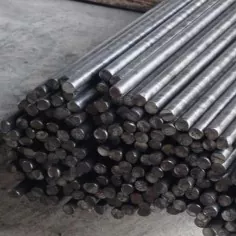
| Solid Bar | Uniform | Maximum strength | High weight and cost |
Frequently Asked Questions
Q1: Is round tube suitable for outdoor structures?
Yes. When combined with proper surface treatments such as galvanizing or protective coatings, round tube performs reliably in outdoor and high-humidity environments.
Q2: How does wall thickness affect performance?
Wall thickness directly influences load capacity, impact resistance, and durability. Thicker walls provide higher strength but increase weight and cost.
Q3: Can round tube be customized?
Round tubes can be customized in length, material grade, surface finish, and tolerance range to meet specific project requirements.
Conclusion
Round tube remains a foundational component in modern engineering and construction due to its mechanical efficiency, adaptability, and broad material availability. By understanding application demands and selecting appropriate specifications, buyers can achieve optimal performance while controlling costs.
As a reliable steel material supplier, Tianjin Shunchun provides stable-quality round tube solutions for global customers. For detailed specifications, technical support, or tailored supply options, contact us to discuss how the right round tube can support your next project.
Related News
- What Are the Common Lengths Available for Steel Channels?
- How Does Hot-Dip Galvanizing Protect Steel Channels?
- What makes Angle Steel the go-to material for industrial plant maintenance?
- Why Is Hot Dip Galvanized Grating Important for Modern Industry?
- What makes Angle Steel the top choice for transmission tower construction?
- Why Is CARBON STEEL STRUCTURAL ANGLE BAR a Smart Choice for Modern Structural Projects
Leave me a message