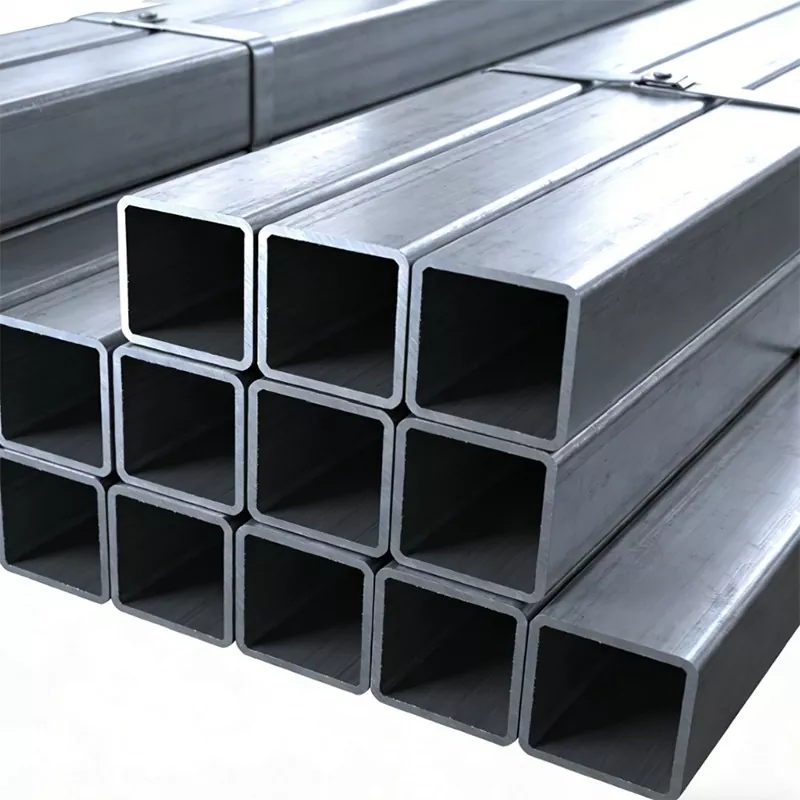
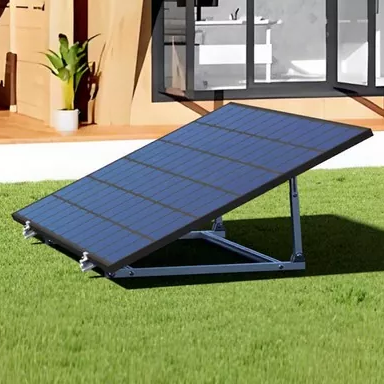
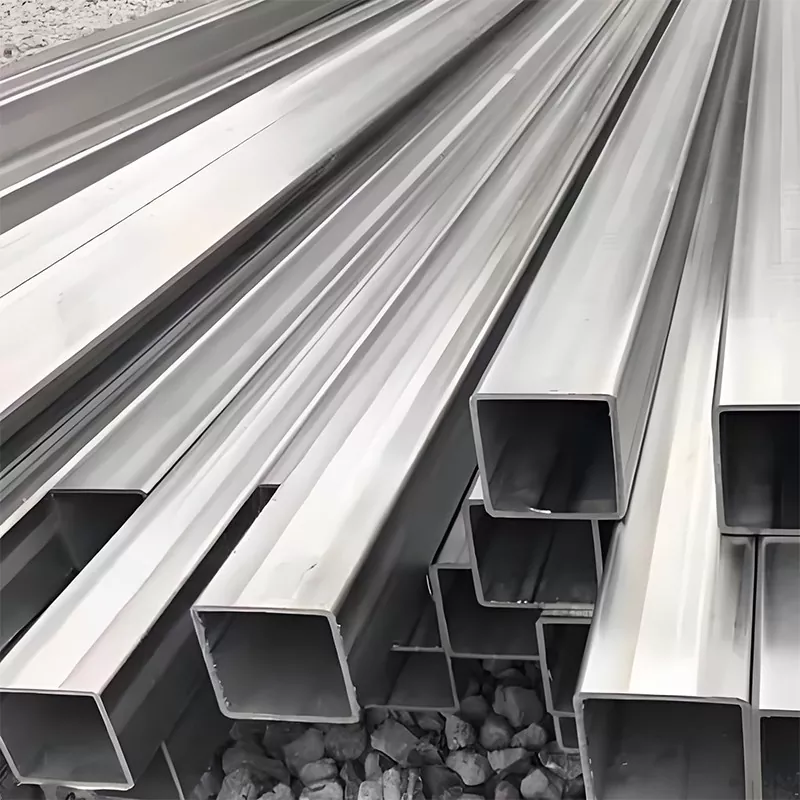
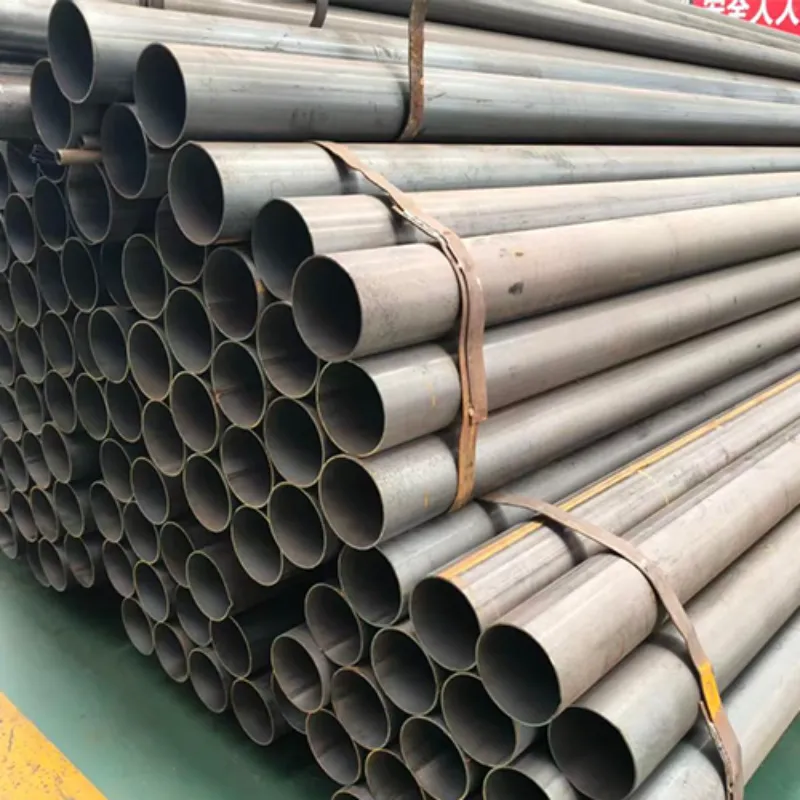
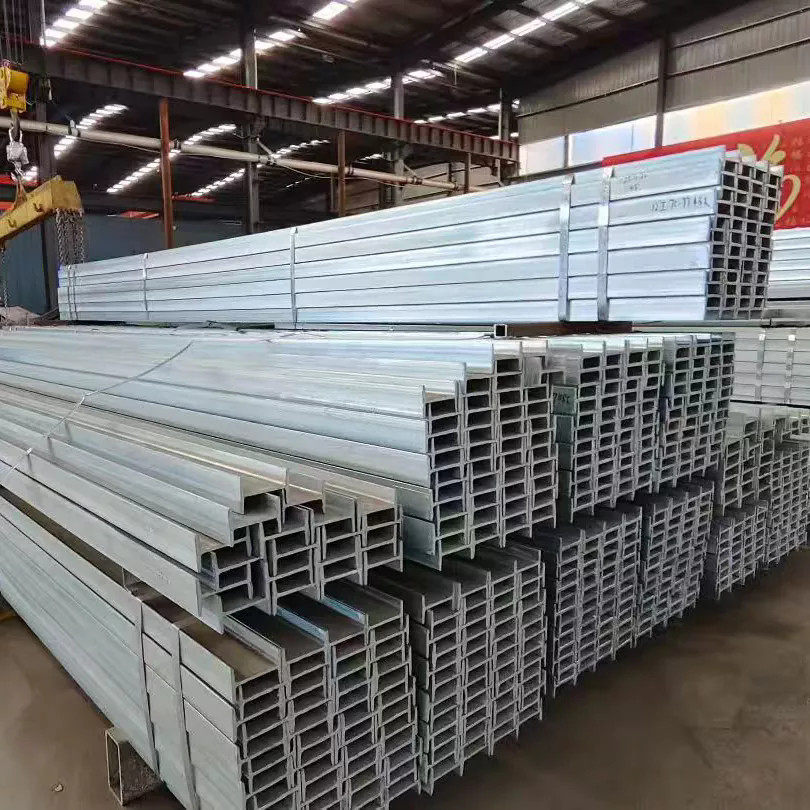
As one of the most widely used basic section steels in steel structure engineering, hot-dip galvanized channel steel has become a core material selection for construction, photovoltaic new energy, municipal infrastructure, machinery manufacturing and other fields by virtue of its excellent corrosion resistance and stable structural support performance. Its quality and selection accuracy directly determine the structural stability, outdoor service life and later maintenance cost of the project, and are also key factors affecting the overall project cost and construction efficiency.
With over 30 years of in-depth experience in steel deep processing and hot-dip galvanizing production, Tianjin Shunchen Hongye Enterprise Management Co., Ltd. relies on its 12-stage manufacturing process, core triple passivation technology and full-scenario project service experience. Combined with the actual application needs of the industry, we have created this professional guide to the application and selection of hot-dip galvanized channel steel from the dimensions of core corrosion resistance principles, core material selection, scenario-based selection skills, and high-quality product process standards, to provide accurate material selection reference and solutions for engineering and procurement parties.
In-depth Analysis: Core Corrosion Resistance Principle of Hot-Dip Galvanized Channel SteelThe essence of steel rusting is the electrochemical oxidation reaction between iron, oxygen and moisture in the air. The hot-dip galvanizing process fundamentally solves the outdoor corrosion problem of steel, and its core is the dual effect of electrochemical cathodic protection + physical coating protection, while passivation treatment is the key upgrade of corrosion resistance after galvanizing.
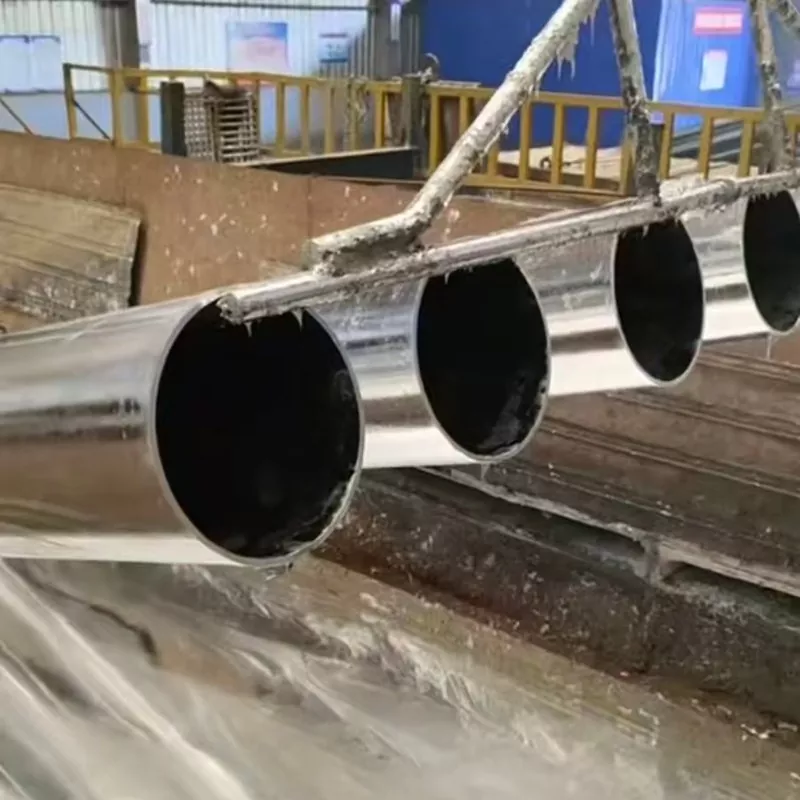
Basic protection of hot-dip galvanizing: The channel steel is pretreated at high temperature and then immersed in molten zinc bath, so that a composite coating of zinc-iron alloy layer + pure zinc layer is formed on the steel surface. The alloy layer is tightly bonded to the steel matrix, and the pure zinc layer covers the surface. It not only isolates the steel from contact with oxygen and moisture through the physical coating, but also forms cathodic protection by utilizing the characteristic that zinc has higher electrochemical activity than iron. Even if the coating is partially damaged, the zinc layer will be oxidized preferentially, continuously providing protection for the steel matrix, and fundamentally delaying the rusting of steel.
Upgraded protection of passivation treatment: Ordinary hot-dip galvanized channel steel only undergoes a single passivation treatment, which can only form a simple protective film on the surface of the zinc layer, and is prone to coating peeling and rust return in harsh environments such as high humidity, high alkalinity, and coastal high salt spray. The triple passivation process after galvanizing adopted by Shunchen Hongye forms a dense, uniform and strongly adherent passivation film on the surface of the zinc layer through multiple precise chemical passivation treatments, which improves the alkali resistance of the product by 300%, greatly enhances the corrosion resistance of the channel steel under complex outdoor working conditions, and effectively extends the outdoor service life to more than 3 times that of ordinary galvanized channel steel.
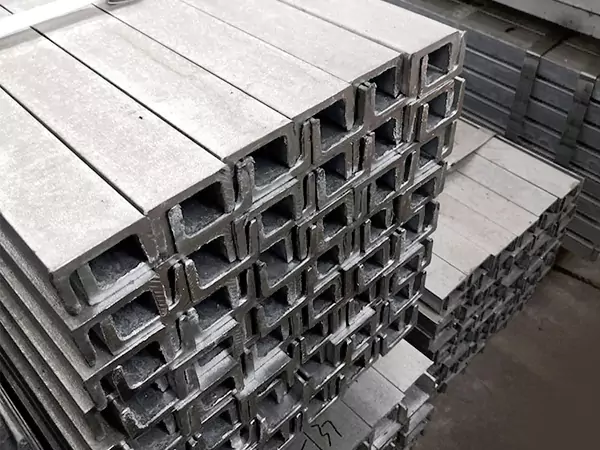
High-quality hot-dip galvanized channel steel must meet the standards of uniform coating thickness, no missing plating, no blistering, no peeling, and the passivation film is tightly bonded to the zinc layer without coating falling off after bending and stamping. This is also the core visual and physical standard for judging the quality of galvanized channel steel.
We use cookies to offer you a better browsing experience, analyze site traffic and personalize content. By using this site, you agree to our use of cookies. Privacy Policy