How Does Reinforcing Steel Improve Structural Strength?
Summary: Reinforcing steel, commonly known as rebar, plays a critical role in modern construction by enhancing the strength and durability of concrete structures. This article explores the benefits, applications, types, installation techniques, and maintenance considerations of reinforcing steel. Readers will gain a clear understanding of how to effectively utilize rebar to improve structural performance while reducing long-term risks and costs.
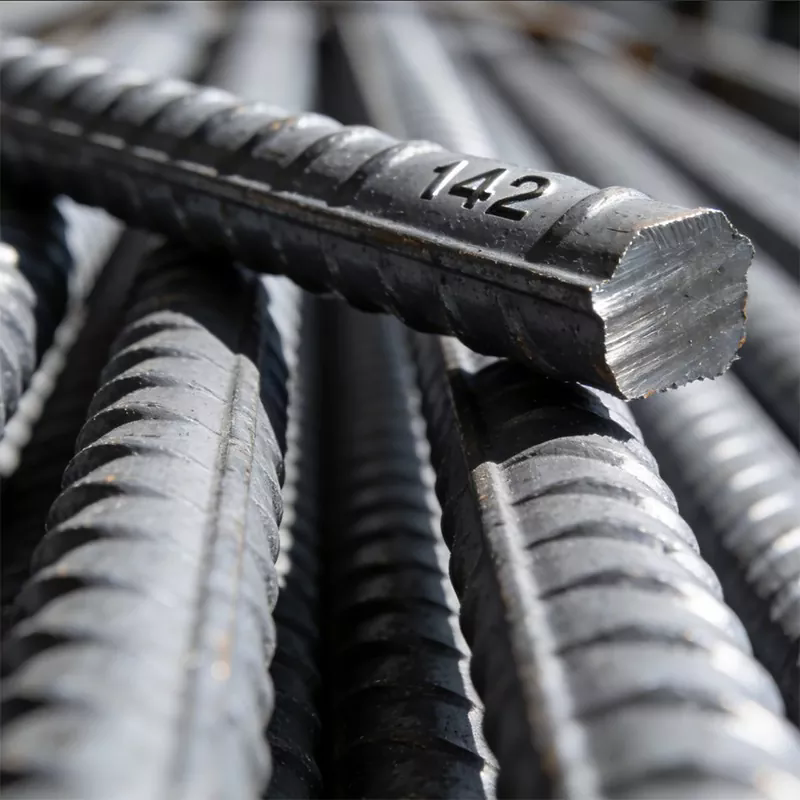
Table of Contents
- Introduction to Reinforcing Steel
- Types of Reinforcing Steel
- Applications in Construction
- Proper Installation Techniques
- Advantages of Using Reinforcing Steel
- Maintenance and Longevity
- Frequently Asked Questions
- Conclusion & Contact Us
Introduction to Reinforcing Steel
Reinforcing steel, or rebar, is a crucial component in concrete construction. Concrete is strong in compression but weak in tension. Reinforcing steel addresses this weakness by providing tensile strength, allowing structures to withstand heavy loads, seismic activity, and long-term wear. The use of rebar ensures safety, stability, and durability in residential, commercial, and industrial projects.
Types of Reinforcing Steel
Reinforcing steel comes in several types, each suited to specific construction needs:
| Type | Description | Typical Use |
| Carbon Steel Rebar | Standard steel with ribbed surface for concrete adhesion | General construction projects |
| Epoxy-Coated Rebar | Steel coated with epoxy for corrosion resistance | Structures exposed to moisture or chemicals |
| Stainless Steel Rebar | Highly resistant to corrosion and oxidation | Marine, bridge, and high-durability projects |
| Galvanized Rebar | Steel coated with zinc for added corrosion protection | Outdoor structures and high-humidity environments |
Applications in Construction
Reinforcing steel is used across a wide range of construction applications. Key examples include:
- Residential Buildings: Foundations, beams, columns, and slabs.
- Commercial Structures: High-rise buildings, parking structures, and warehouses.
- Infrastructure Projects: Bridges, highways, tunnels, and dams.
- Industrial Facilities: Factories, silos, and heavy machinery bases.
Proper Installation Techniques
Correct installation of reinforcing steel is essential to achieve structural benefits. Key steps include:
- Planning and Layout: Review structural drawings and determine rebar placement according to design specifications.
- Cutting and Bending: Use appropriate tools to cut rebar to length and bend as needed for corners and overlaps.
- Positioning: Place rebar in forms with correct spacing and secure using steel ties or chairs to maintain alignment.
- Concrete Pouring: Ensure concrete fully covers rebar without displacing it to prevent corrosion exposure.
- Inspection: Check alignment, cover, and integrity before final concrete setting.
Advantages of Using Reinforcing Steel
Integrating reinforcing steel in concrete construction offers multiple advantages:
- Enhanced Tensile Strength: Supports loads that concrete alone cannot bear.
- Durability: Extends lifespan of structures and reduces maintenance costs.
- Seismic Resistance: Provides flexibility and resilience against earthquakes.
- Cost Efficiency: Reduces the need for over-engineering with pure concrete.
- Versatility: Adaptable to various construction types, including residential, commercial, and industrial projects.
Maintenance and Longevity
To maximize the performance of reinforcing steel, regular maintenance and inspection are necessary:
- Visual Inspection: Check for corrosion, cracks, or displacement periodically.
- Protective Coatings: Use epoxy or galvanized options for high-risk environments.
- Concrete Repairs: Address cracks or spalling promptly to prevent rebar exposure.
- Structural Assessments: Engage professionals for periodic load and stress evaluations.
Frequently Asked Questions
Q1: What is the standard diameter of reinforcing steel?
A: Common diameters range from 6 mm to 32 mm, depending on structural requirements.
Q2: Can reinforcing steel be reused?
A: Rebar can be recycled or reused if it is free from significant corrosion or deformation.
Q3: How do I prevent reinforcing steel from rusting?
A: Apply protective coatings, maintain concrete cover, and ensure proper drainage to minimize exposure to moisture.
Conclusion & Contact Us
Reinforcing steel is a cornerstone of modern construction, offering critical tensile strength, durability, and resilience. Proper selection, installation, and maintenance can significantly enhance the safety and lifespan of any concrete structure. At Shunchen, we provide high-quality reinforcing steel products designed to meet diverse construction needs. For more details on our products or to request a quote, contact us today to ensure your project is built for long-term strength and reliability.
Related News
- What Are the Common Lengths Available for Steel Channels?
- How Does Hot-Dip Galvanizing Protect Steel Channels?
- What makes Angle Steel the go-to material for industrial plant maintenance?
- Why Is Hot Dip Galvanized Grating Important for Modern Industry?
- What makes Angle Steel the top choice for transmission tower construction?
- Why Is CARBON STEEL STRUCTURAL ANGLE BAR a Smart Choice for Modern Structural Projects
Leave me a message