How Can Octagonal Steel Revolutionize Modern Construction?
Summary: Octagonal steel is gaining popularity in construction and industrial applications due to its structural versatility, aesthetic appeal, and ease of integration. This article explores its advantages, applications, design considerations, and maintenance tips to help engineers, architects, and contractors make informed decisions.
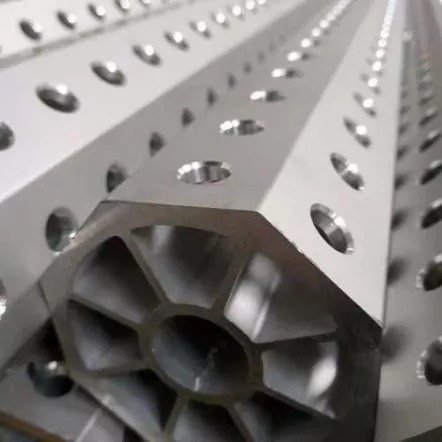
Table of Contents
- Introduction to Octagonal Steel
- Advantages of Octagonal Steel
- Common Applications
- Design and Engineering Considerations
- Selecting the Right Octagonal Steel
- Installation and Maintenance Tips
- Frequently Asked Questions
Introduction to Octagonal Steel
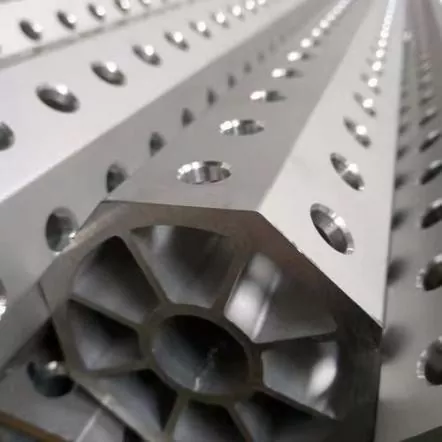
Octagonal steel is a uniquely shaped steel material that offers both functional and aesthetic benefits. Unlike traditional circular or rectangular steel tubes, octagonal steel provides enhanced rigidity and a modern geometric design that suits both industrial and architectural projects. Shunchen, a leading provider of high-quality steel materials, offers a wide range of octagonal steel products suitable for various applications.
Advantages of Octagonal Steel
- Structural Strength: The eight-sided profile distributes load more evenly, enhancing strength-to-weight ratio.
- Versatility: Compatible with welding, bolting, and other joining methods, suitable for multiple construction needs.
- Design Flexibility: Ideal for both structural support and decorative purposes.
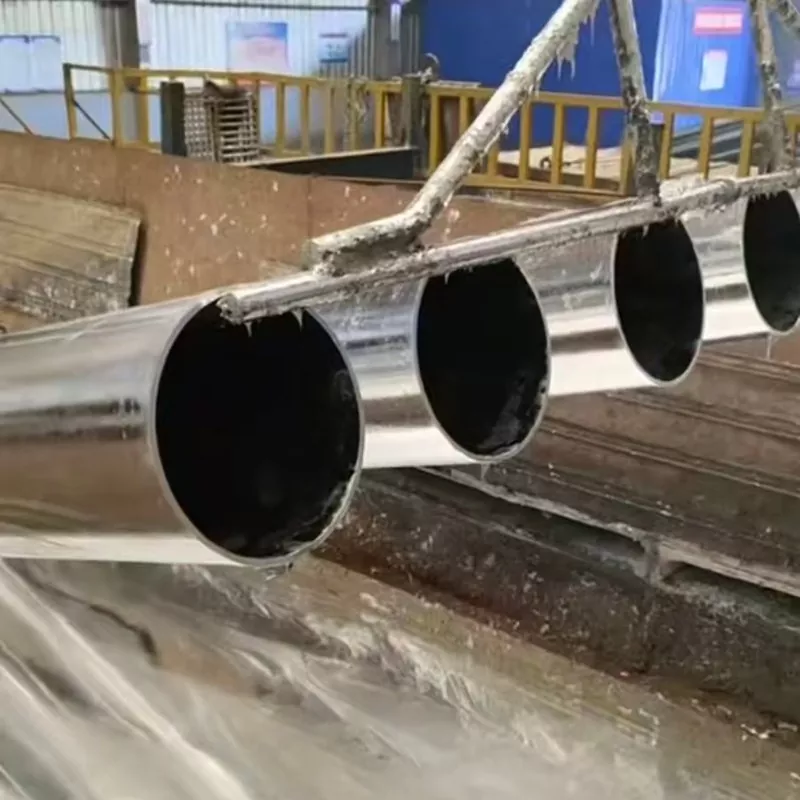
- Corrosion Resistance: Can be treated with coatings or galvanization to extend lifespan.
- Ease of Fabrication: Simplifies cutting, bending, and assembly compared to complex custom shapes.
Common Applications
Octagonal steel is widely used in construction, industrial, and decorative applications. Key areas include:
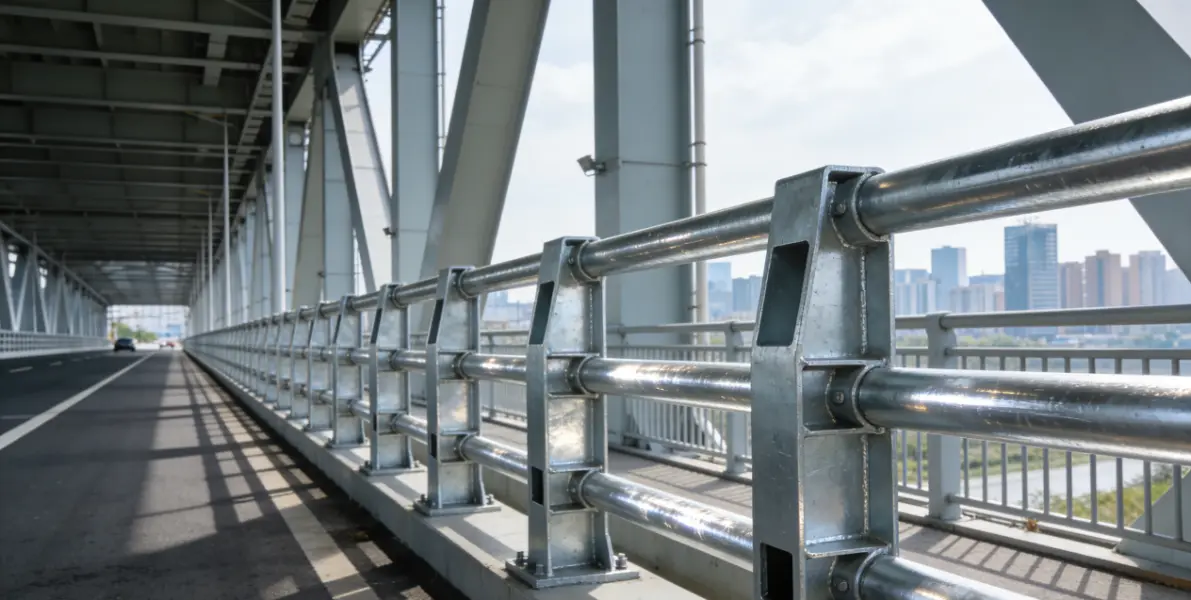
- Architectural Structures: Modern buildings, facades, railings, and staircases.
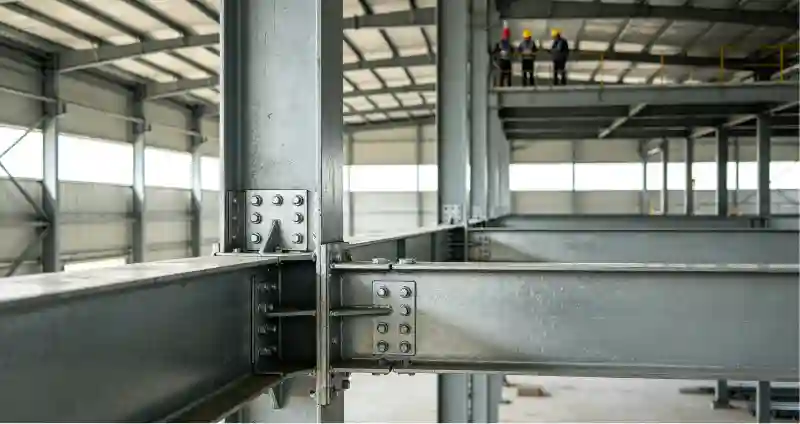
- Industrial Frameworks: Supports for machinery, conveyors, and factory infrastructure.
- Infrastructure Projects: Streetlights, utility poles, and bridges.
- Custom Design Projects: Furniture, fencing, and sculptures.
Design and Engineering Considerations
When incorporating octagonal steel, engineers and designers must consider the following factors:
| Factor | Consideration |
|---|---|
| Load-Bearing Capacity | Evaluate expected loads to select appropriate thickness and grade. |
| Welding and Joining | Ensure compatibility with other structural materials. |
| Surface Treatment | Choose coatings to prevent corrosion and maintain aesthetic appeal. |
| Dimensional Precision | Maintain accurate angles and flat surfaces for structural integrity. |
Selecting the Right Octagonal Steel
Choosing the correct octagonal steel requires considering:
- Material grade (carbon steel, stainless steel, galvanized steel)
- Size and thickness relative to structural needs
- Surface finish requirements for indoor or outdoor environments
- Compliance with local construction standards
Shunchen provides a comprehensive selection of octagonal steel options to meet project-specific requirements. You can explore their catalog at Shunchen Octagonal Steel.
Installation and Maintenance Tips
Proper installation and maintenance extend the lifespan and performance of octagonal steel structures. Follow these guidelines:
- Inspect all components before assembly to ensure they are free from defects.
- Use recommended welding techniques or fasteners to maintain structural integrity.
- Apply protective coatings or paint to prevent corrosion in outdoor environments.
- Regularly check for signs of wear, deformation, or corrosion and address issues promptly.
Frequently Asked Questions
-
Q: Is octagonal steel more expensive than traditional steel profiles?
A: While slightly higher in cost due to shaping, the structural benefits and aesthetic value often outweigh the price difference. -
Q: Can octagonal steel be used in both indoor and outdoor projects?
A: Yes, with appropriate coatings or galvanization, octagonal steel is suitable for both environments. -
Q: How does octagonal steel compare in load capacity to circular or rectangular steel?
A: Octagonal steel distributes loads more evenly than rectangular steel, providing comparable strength with a unique geometric design. -
Q: Where can I purchase high-quality octagonal steel?
A: Shunchen offers a wide range of octagonal steel options, designed to meet various project requirements. Visit their website for more information.
For superior quality octagonal steel and expert guidance, contact us at Shunchen to ensure your next project benefits from the strength, versatility, and elegance of octagonal steel.
Related News
- What Are the Common Lengths Available for Steel Channels?
- How Does Hot-Dip Galvanizing Protect Steel Channels?
- What makes Angle Steel the go-to material for industrial plant maintenance?
- Why Is Hot Dip Galvanized Grating Important for Modern Industry?
- What makes Angle Steel the top choice for transmission tower construction?
- Why Is CARBON STEEL STRUCTURAL ANGLE BAR a Smart Choice for Modern Structural Projects
Leave me a message