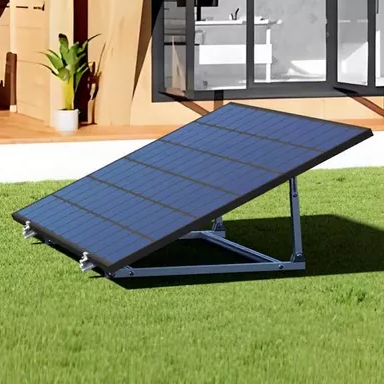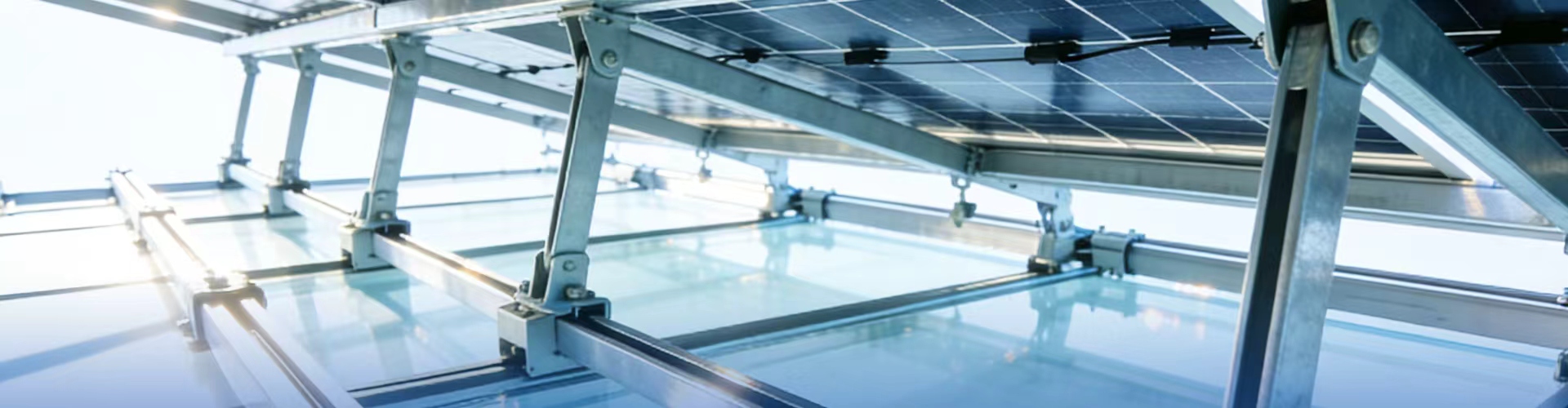
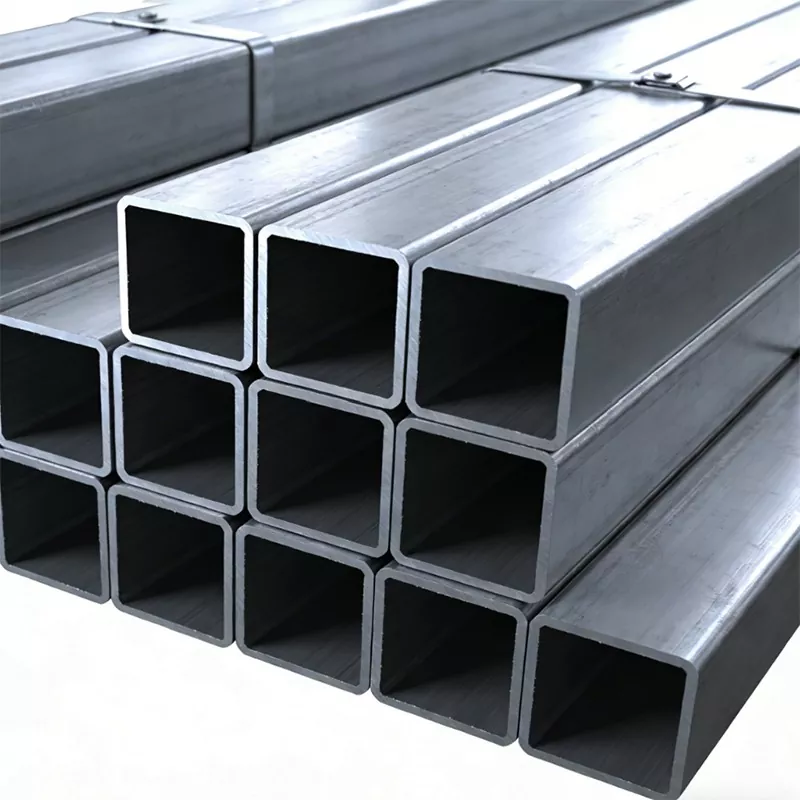
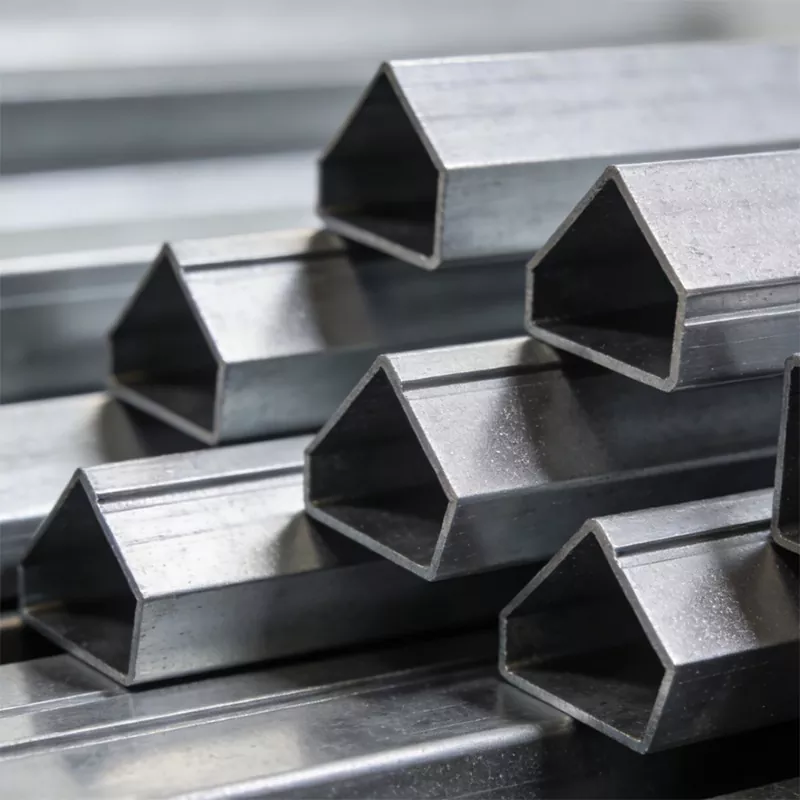
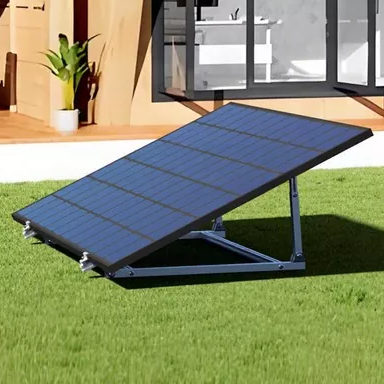
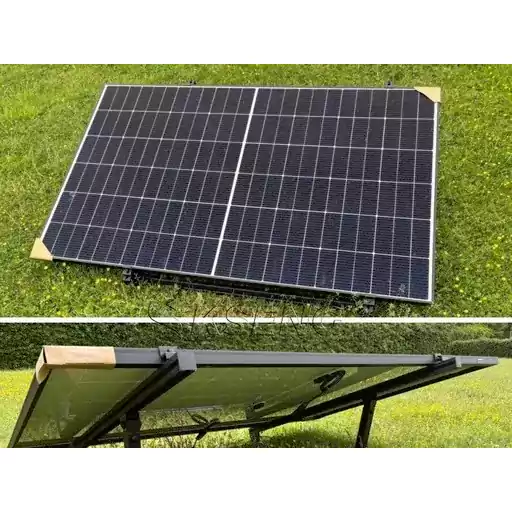
The Shunchen Wind-Resistant Balcony PV Bracket Structure is designed for photovoltaic modules installed on residential balconies, apartment buildings, and villa terraces. It utilizes Q235B or Q355B carbon steel and is manufactured through precise CNC cutting, welding, and hot-dip galvanizing. The structure consists of main beams, diagonal braces, and connecting components that securely support the modules and transfer loads to the mounting points. Explore our broader photovoltaic support systems for other solar mounting needs.
For high-rise installations, bracket selection requires careful attention to wind loads, module dimensions, mounting height, fixing conditions, and the structural capacity of the balcony. Shunchen provides both guardrail-mounted and wall-mounted configurations, with dimensions and mounting angles fully customizable for your project.
Key Features
Main Beam & Diagonal Brace Structure
The main beam supports the module mounting area, while the diagonal braces help transfer loads through the frame. For high-rise applications, wind pressure and suction demands are carefully evaluated against the installation height and module area to ensure structural integrity.
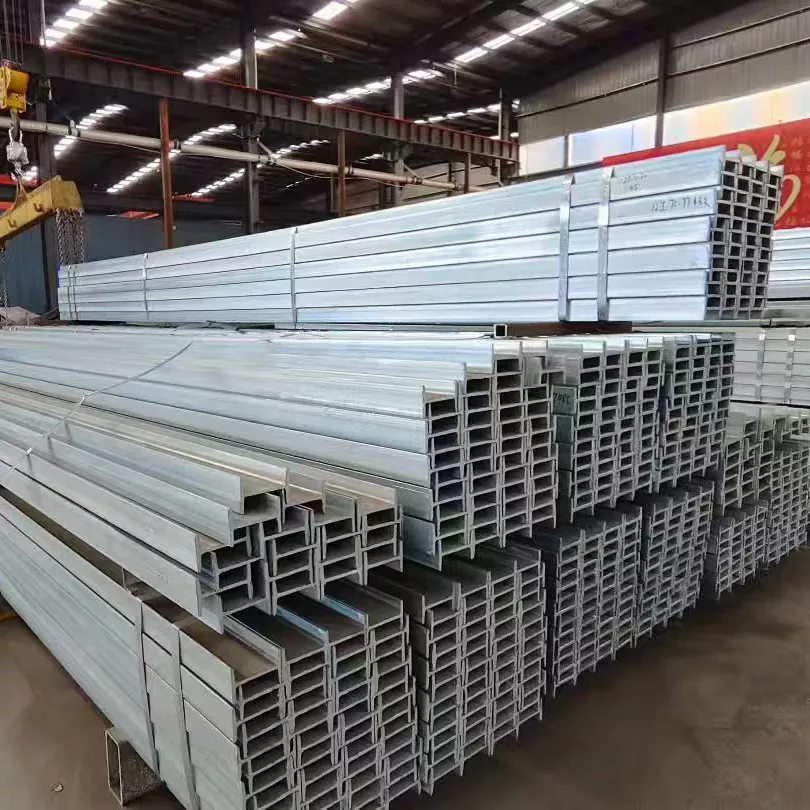
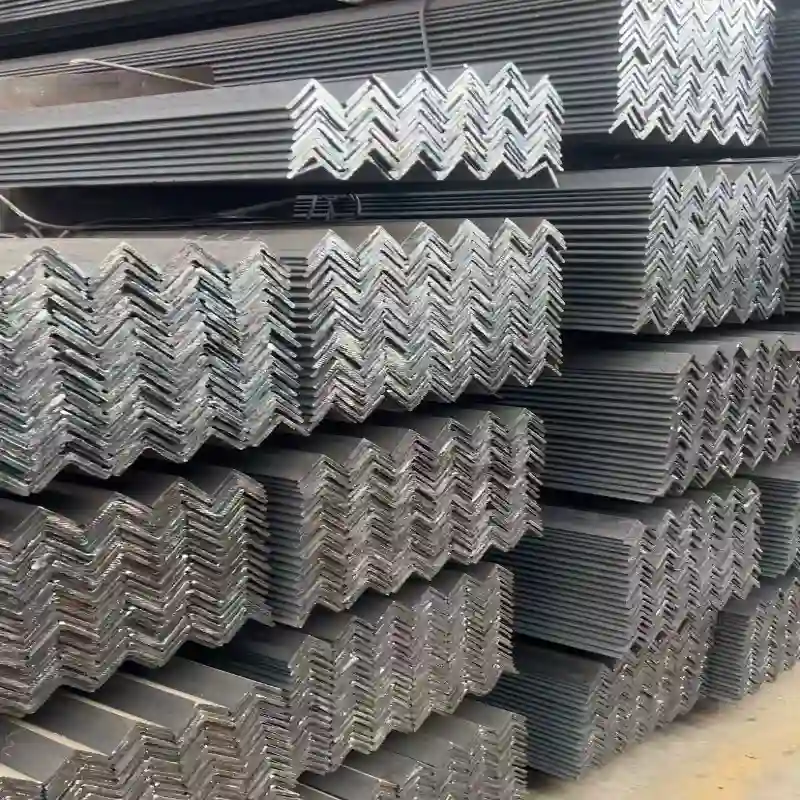
Q235B & Q355B Carbon Steel
High-quality carbon steel options ensure excellent tensile strength and structural stability. The material grade, section dimensions, and wall thickness are selected to match required loads. Custom stainless steel options are also available upon request.
Hot-Dip Galvanized Surface
A hot-dip galvanized coating (≥85 μm) protects the steel surface against outdoor corrosion. With a neutral salt spray (NSS) test duration of ≥500 hours, it provides exceptional durability in humid, rainy, or coastal environments.
Adjustable Mounting Angle
Manual tilt-angle adjustment from 0° to 30° allows the configuration to be optimized according to balcony layout, available space, and local solar altitude, maximizing energy generation efficiency.
Guardrail & Wall Mounting
Choose between secure guardrail clamping or wall mounting with expansion bolts. The method depends on the balcony structure and substrate, ensuring safe load transfer to the building structure.
Technical Specifications
| Parameter | Specification |
|---|---|
| Product Type | Balcony Photovoltaic Mounting Bracket |
| Base Material | Q235B, Q355B carbon steel; stainless steel customization subject to confirmation |
| Manufacturing Processes | CNC cutting, welding, hot-dip galvanizing |
| Main Beam Length | 1000–2000 mm |
| Main Beam Width & Thickness | Width: 80–150 mm; Thickness: 2.0–3.0 mm |
| Diagonal Brace Length | 500–1000 mm |
| Pipe Diameter | 30–50 mm |
| Galvanized Coating Thickness | ≥85 μm, according to supplied specifications |
| Neutral Salt Spray Test | ≥500 hours, according to supplied specifications |
| Tilt Angle Adjustment | 0–30°, manual adjustment |
| Installation Methods | Guardrail clamping or wall mounting, subject to structural suitability |
| Compatible PV Module | Power: 300–550 W; Size: within 1600 × 1000 mm |
Wind Load & Structural Safety
Critical Structural Assessment
Wind resistance is a key consideration for photovoltaic systems installed on high-rise balconies. Wind pressure and suction vary with building height, surrounding terrain, and the position of the modules on the façade. The bracket must be evaluated as part of the complete installation.
- Bracket Frame: Verify the main beams, diagonal braces, and connections against required design loads.
- Module Attachment: Check clamps, rails, and bolts that secure the PV module to the bracket.
- Anchoring System: Confirm guardrail clamps or wall anchors are suitable for the supporting material.
- Building Structure: Verify that the balcony guardrail or wall can safely carry the transferred loads.
- Environmental Loads: Consider wind, applicable snow loads, and corrosion exposure under local codes.
* The supplied wind resistance rating of Level 12 and snow load resistance of 0.5 kN/m² should only be applied where confirmed by project-specific structural calculations and applicable standards.
Application Scenarios
Residential Balconies
Used in residential photovoltaic installations where available mounting area and local regulations permit. Configuration is selected based on the balcony's geometry and fixing conditions.
Apartment Buildings
Dimensions and mounting arrangements are reviewed against the building's balcony layout. Repeated installations across multiple units require consistent details and verification of building conditions. View our balcony solar solutions.
Villa Terraces
Villa terraces offer unique mounting spaces. The bracket configuration accounts for the available fixing surface, module orientation, exposure to wind, and access for maintenance.
Manufacturing & Quality Inspection
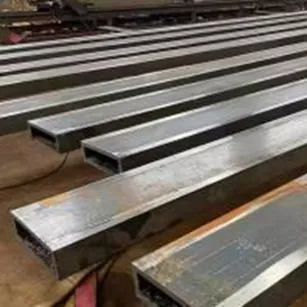
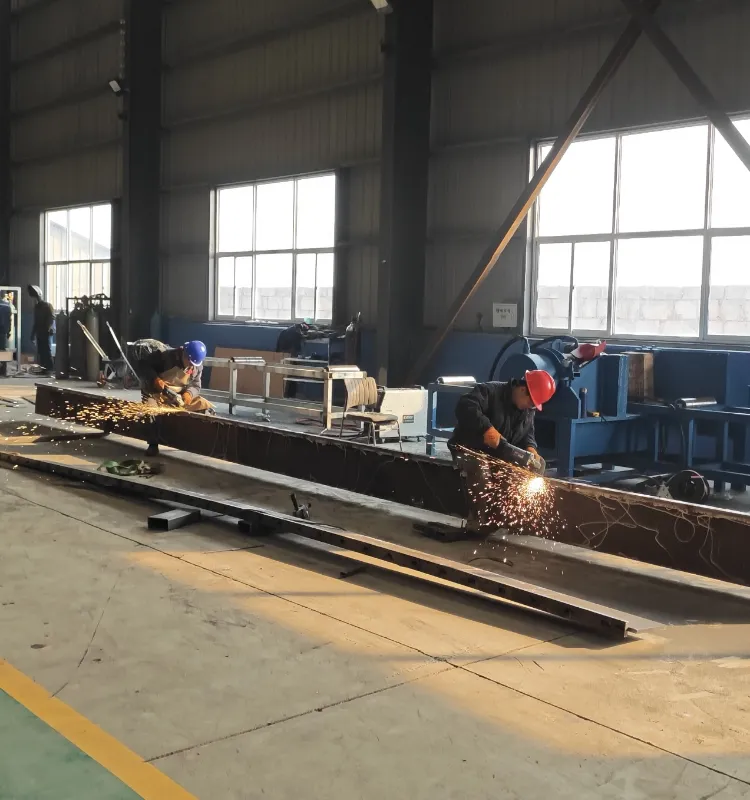
CNC cutting ensures precise component dimensions, followed by robust welding. Dimensional accuracy, joint preparation, and weld quality are thoroughly inspected. The galvanized surface undergoes strict checks for coating thickness, coverage, and adhesion, referencing the 180° bending test and neutral salt spray test.
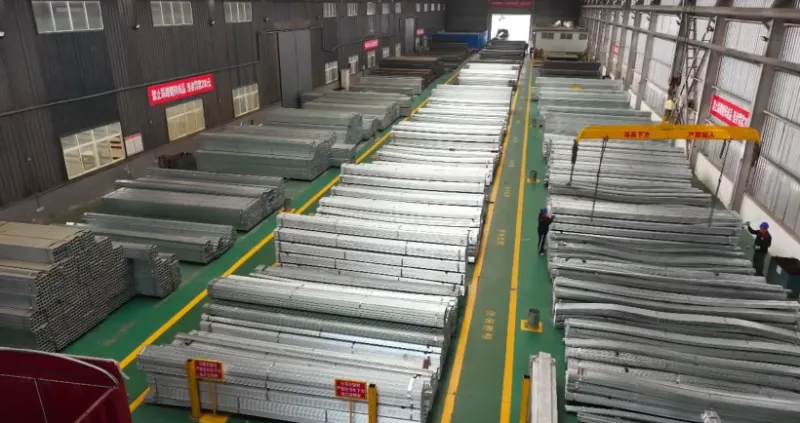
Before installation, all components are checked against approved drawings. We maintain a complete quality traceability file to ensure 100% qualification rate. Check our certifications for more information.
Frequently Asked Questions
What materials are used for the Shunchen Balcony PV Bracket?
The supplied specifications list Q235B and Q355B carbon steel as the main material options. Stainless steel may be available as a customized option, subject to confirmation of the required specification.
What tilt angle can the Wind-Resistant Balcony PV Bracket support?
The supplied specifications list manual tilt adjustment from 0° to 30°. The permitted setting for a specific installation should be confirmed against the final bracket configuration and project requirements.
Can the bracket be installed on a balcony guardrail or wall?
The listed mounting options are guardrail clamping and wall mounting with expansion bolts. Suitability depends on the guardrail or wall construction, anchor design, and the loads transferred by the complete PV system. The supporting structure must be verified before installation.
How is the steel bracket protected against corrosion?
The bracket uses hot-dip galvanizing. The supplied product information specifies a coating thickness of at least 85 μm and a neutral salt spray test duration of at least 500 hours. Applicable test records should be checked to confirm these values for the supplied product.
What information is needed to specify a balcony PV bracket?
The main information includes PV module dimensions and weight, balcony measurements or drawings, installation height, supporting material, preferred mounting method, required tilt angle, environmental exposure, and applicable structural load requirements.
Request a Customized PV Bracket Quote
Provide your balcony layout, PV module specifications, and installation height. Our engineering team will evaluate the wind loads and provide a tailored structural solution and factory-direct price.