Structural Steel Anchor Plate with Welded Rebars for Bridge Construction
Established in 2014, Tianjin Shunchen Hongye Enterprise serves a long-term client base of over 2,000 partners. As an experienced manufacturer, the company specializes in structural steel anchor plates with welded rebars for bridge construction. These anchor plates are specifically designed to address high-strength anchoring and pull-out resistance requirements for applications within concrete structures—such as prestressed anchorage systems, pier/abutment bearings, and guardrail bases.
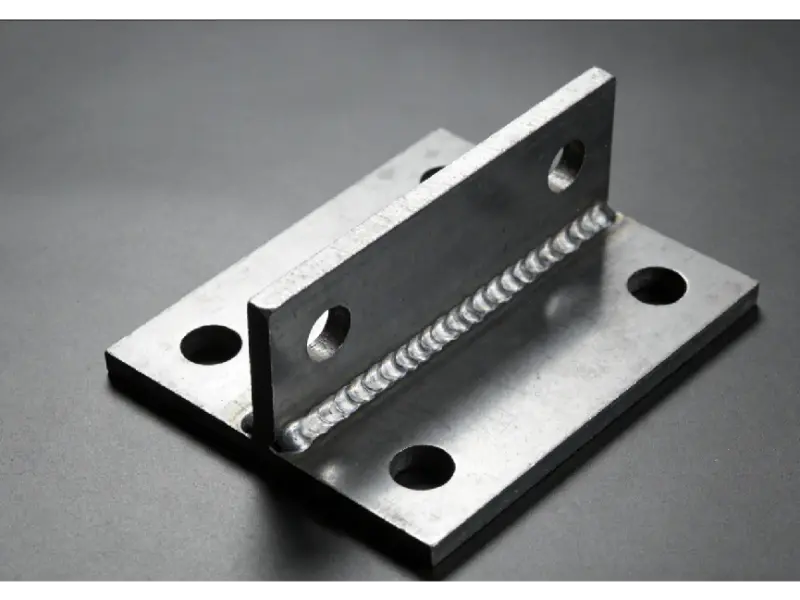
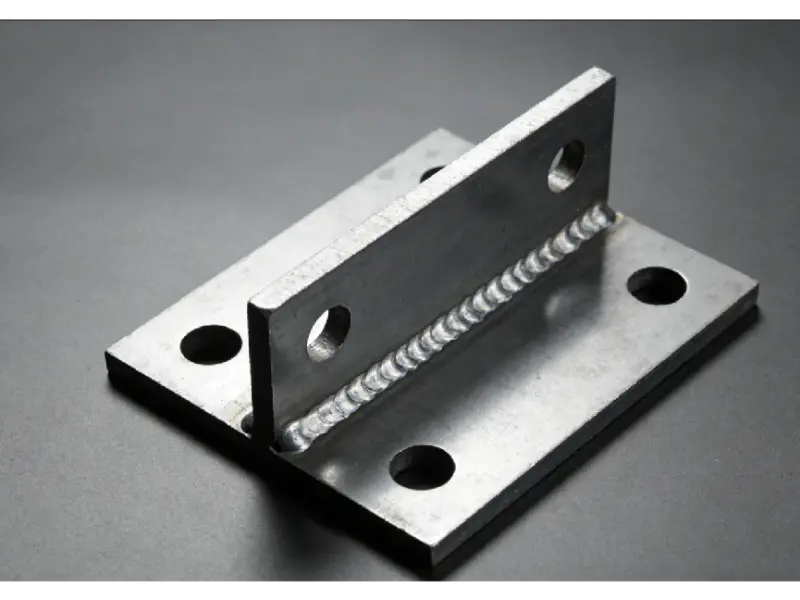
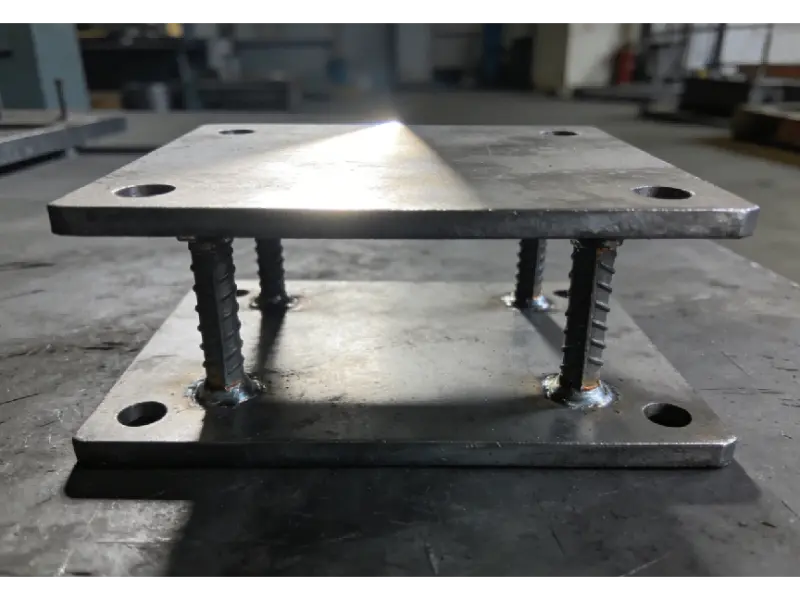
Structural steel anchor plates with welded rebars for bridge construction are manufactured by CNC-cutting steel plates into the required anchor plate shapes, followed by the precise positioning and welding of reinforcing bars onto the plate surface. These components serve various functions in bridge construction, including acting as prestressing anchor bearing plates, bearing anchorage plates, expansion joint anchorages, and guardrail base anchorages. They effectively transfer the immense tensile and shear forces exerted on bridge decks and bearings into the concrete structure. Once embedded in concrete, these components provide high anchorage capacity and reliable resistance against pull-out and shear forces. Featuring robust, full-penetration welds and precisely positioned reinforcing bars, they are critical elements for the structural safety of bridges.
Core Functions
① High Anchorage Capacity with Reliable Pull-out and Shear Resistance
Bridge anchorages are subjected to sustained, massive tensile forces and repetitive shear loads. If an anchorage fails, it can lead to a loss of prestress and structural instability—scenarios that entail significant repair costs and risks. Our design approach ensures that reinforcing bars are arranged precisely according to specifications and joined with full-penetration welds. Once embedded, the anchor plate integrates tightly with the concrete, providing a large anchorage surface area and excellent bond strength. This results in superior anchorage capacity and stable resistance to pull-out and shear forces, ensuring the structural integrity of the bridge even under long-term loading.
② Reliable Weld Quality, Resistant to Cracking Under Long-term Stress
A common vulnerability in anchor plates is the presence of weld defects—such as incomplete fusion, slag inclusions, or porosity—which can cause the component to crack under heavy loads. For our structural steel anchor plates with welded rebars for bridge constructions, we meticulously clean the weld grooves, removing oil, grease, and oxide scale before welding. We strictly control all welding parameters and conduct a visual inspection of every weld; when necessary, we also perform ultrasonic or magnetic particle testing. The resulting welds are dense, full, and defect-free, capable of withstanding cyclic loading and vibrations without cracking or weld failure over long-term use.
③ Precise Dimensions for Seamless On-site Installation
Bridge anchor plates are typically custom-engineered components. Even minor discrepancies in shape, hole positioning, or plate thickness can prevent proper on-site installation, leading to costly and time-consuming rework. We employ CNC cutting, template verification, and individual component measurement to ensure that dimensions, hole positions, and edge distances remain strictly within specified tolerances. This guarantees a precise fit during installation, eliminating the need for on-site modifications and preventing project delays.
④ Batch Consistency and Full Traceability
Bridge engineering demands high consistency among components, where the mixing of different material batches can be difficult to detect. We manage production by heat/batch, marking each individual component with its material type and batch number. Documentation—including material certificates and quality compliance certificates—accompanies every shipment. This ensures batch consistency and full traceability, simplifying both the inspection and record-keeping processes.
Quality Inspection Process
① Incoming Material Inspection:
Upon arrival, steel plates and reinforcing bars undergo verification against their material certificates. We also physically measure plate thickness, bar diameter, and surface quality. Any non-conforming materials are rejected and returned, ensuring that substandard stock never enters the production line. As raw materials form the foundation of the final product's quality, rigorous control at this stage is essential.
② Cutting Inspection:
Following CNC cutting, each anchor plate is checked for overall dimensions, hole positions, and edge distances using templates. Any components falling outside the tolerance range are sent back for reprocessing. Accurate dimensions are the prerequisite for successful welding and installation.
③ Welding Inspection:
After welding, every weld seam is inspected for surface quality—checking for slag, cracks, porosity, or undercuts. Where necessary, ultrasonic or magnetic particle testing is performed to detect internal defects. As the weld is the most critical element of an anchor plate, every single unit must pass this inspection.
④ Mechanical Testing:
Samples are selected from each batch for mechanical testing to verify weld strength and the bond between the reinforcing bar and the anchor plate. Only components that meet the required pull-out and shear resistance standards are approved for release. Visual inspection alone is insufficient; data-driven verification is mandatory.
⑤ Final Dimensional Inspection:
For finished structural steel anchor plates with welded rebars for bridge constructions, each unit is cross-referenced against the engineering drawings to verify dimensions, hole positions, and plate thickness. Each piece is marked with its material type and heat/batch number, ensuring full compliance with the design specifications and facilitating seamless installation on-site.
⑥ Anti-Corrosion Inspection:
For anchor plates that have been galvanized or spray-coated, inspect the coating thickness, adhesion, and surface appearance. If the anti-corrosion treatment fails to meet standards, the items must be reworked to prevent the risk of rust.
Storage Guidelines
Moisture and Rain Protection:
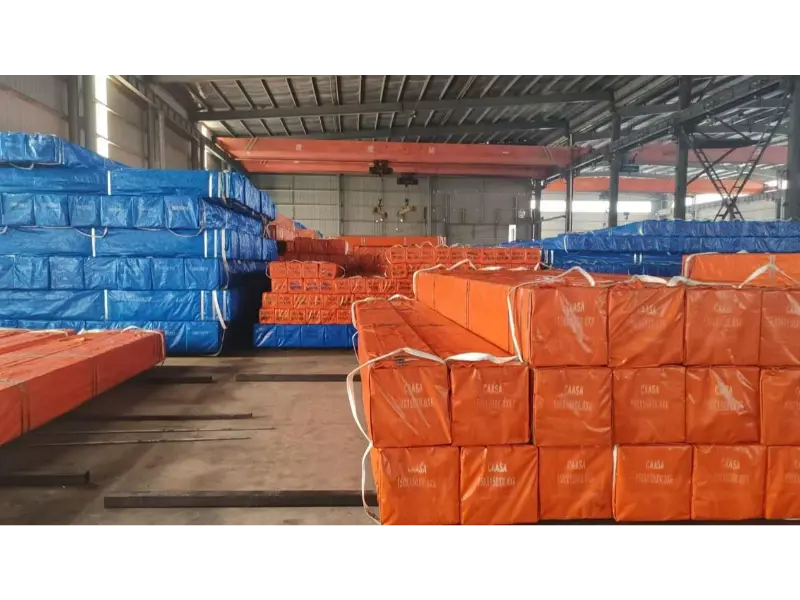
Anchor plates should be stored in a dry, well-ventilated warehouse; avoid prolonged exposure to rain or standing water. If rainwater or moisture seeps into gaps, it is difficult to dry out, which can lead to rust and a reduction in material thickness—particularly on the plate surface or at weld seams. Keeping the items dry ensures the anti-corrosion treatment remains effective for longer.
Elevate from the Ground:
When storing structural steel anchor plates with welded rebars for bridge constructions, use timber dunnage to keep them off the ground. This prevents moisture or standing water from the ground from corroding the base of the plates. Elevation also promotes air circulation, further reducing the likelihood of rust.
Prevent Impacts and Compression:
Avoid knocking or bumping the welded areas and the edges of the anchor plates. Ensure that the rebar is not bent or deformed by pressure. If the anchor plates or rebar become deformed, it will be impossible to achieve proper alignment during on-site installation and welding. Use lifting straps or soft rigging equipment during handling, and ensure items are moved with care.
Protect the Coating:
For galvanized or spray-coated anchor plates, take care to avoid scratching the coating during handling or stacking. If any scratches occur, apply a touch-up anti-corrosion coating immediately. Maintaining the integrity of the coating is essential for ensuring long-term corrosion resistance.
Labeling and Record-Keeping:
Store items separately according to specifications and batches. Ensure clear labeling, and keep the corresponding material certificates and quality inspection reports on file. This allows for quick retrieval of batch information, facilitating both site acceptance and traceability, while preventing the mixing of different materials or batches.
FAQ
1. Are these customized according to blueprints?
Yes. The shape, thickness, rebar specifications, and arrangement of the anchor plates are all manufactured based on your blueprints; we can also produce non-standard components. Simply provide the blueprints and material requirements when placing an order, and we will prepare a quote and manufacture accordingly.
2. What materials are commonly used?
For structural steel anchor plates with welded rebars for bridge construction, we typically use structural steels such as Q235B or Q355B, which offer the strength and toughness required for bridge anchoring applications. If the drawings or operating conditions impose higher strength requirements, steel plates of a higher-grade material may be selected as needed.
3. How are the steel bars connected to the anchor plates?
The steel bars are precisely positioned according to the design spacing and orientation, then welded onto the surface of the anchor plates. The welds must be full and solid, with no incomplete fusion or weak points. Since welding is critical to the anchorage strength, every piece is inspected after the welding process.
4. How is weld quality ensured?
Before welding, the weld grooves are cleaned of oil, grease, and oxide scale. After welding, the appearance of each weld is inspected; ultrasonic or magnetic particle testing is performed when necessary. The welds must be dense and free of cracks or porosity, ensuring they do not crack under long-term loading.
5. Can anti-corrosion treatments be applied?
Yes. Depending on the operating environment, options include hot-dip galvanizing or the application of anti-rust coatings. For highly corrosive environments—such as coastal areas or locations with high humidity—galvanizing is recommended. The thickness and adhesion of the coating are verified to meet required standards.
6. Are the dimensional tolerances strict?
Yes. Through the use of CNC cutting, template verification, and individual piece measurement, all dimensions—including overall shape, hole positioning, and plate thickness—are kept within specified tolerances, eliminating the need for further on-site adjustments during installation.
Related Category
Send Inquiry
Contact Info
-
Address
Shunchen Industrial Co., Ltd., Anzhuangzi Industrial Park, Xizhaizhuang Town, Jinghai District, Tianjin,China
-
Tel
-
Looking for affordable, high-quality steel? Send an inquiry to Shunchen. We provide customized solutions and low-price quotations within 24 hours for your bulk orders.



News Recommendations