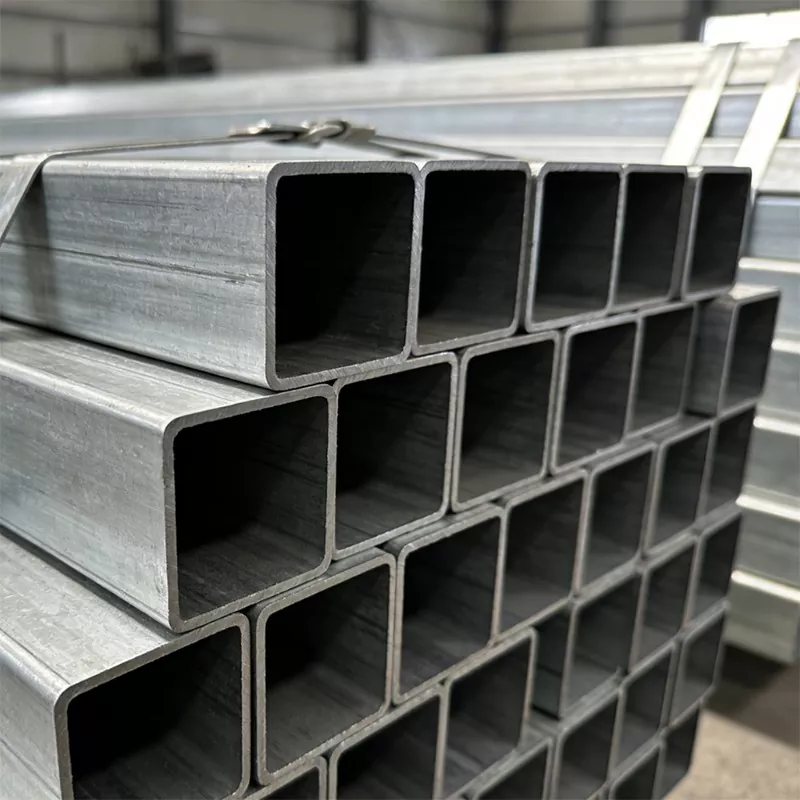
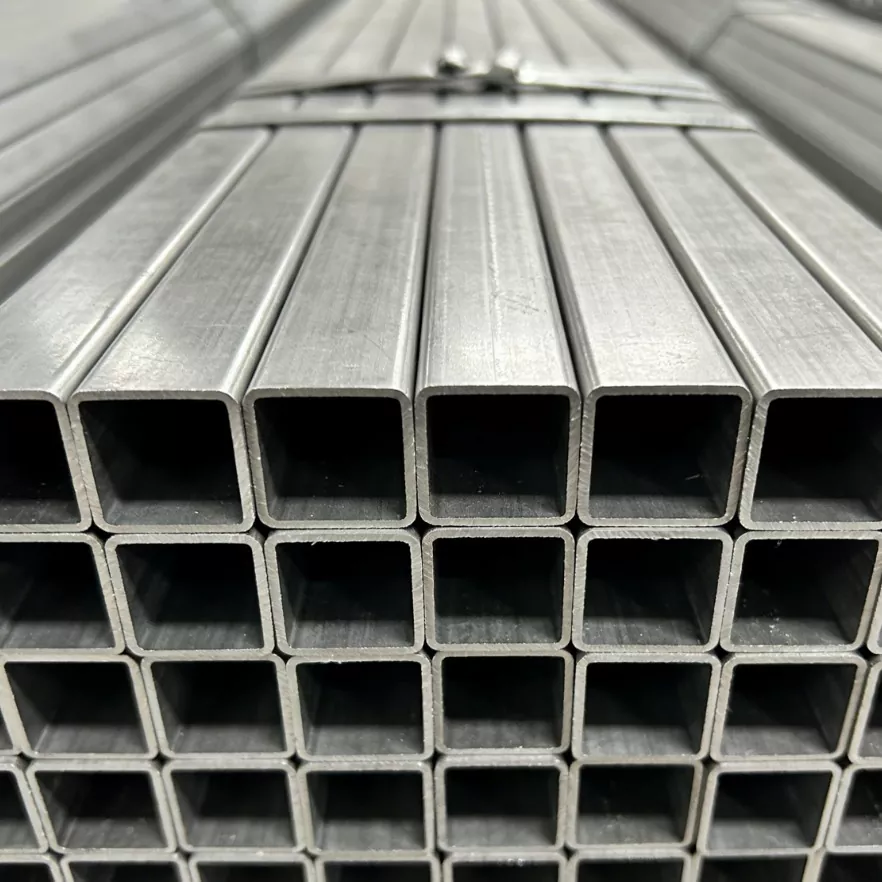
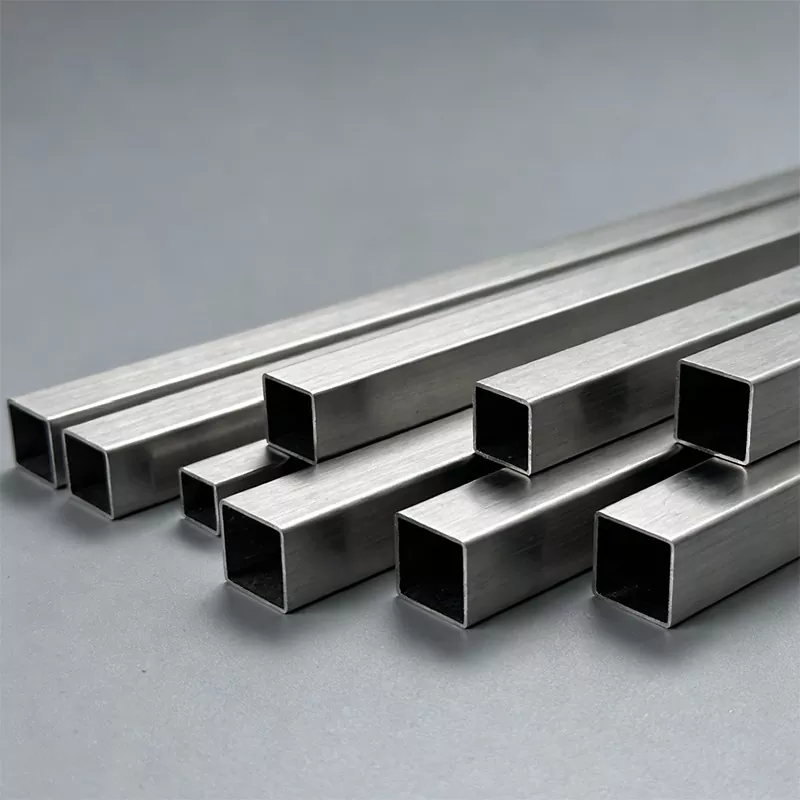
High-Precision Square Steel Tube for Industrial Equipment Frames
Shunchen Industry manufactures and supplies High-Precision Square Steel Tubes for Industrial Equipment Frames. As a professional square steel tube manufacturer, Shunchen offers customizable steel grades, side dimensions, wall thicknesses, and cutting lengths to meet different structural and fabrication requirements. Contact Shunchen to request a quotation, compare specifications, and source precision square steel tubes for machinery frames, automation equipment, and industrial support structures.
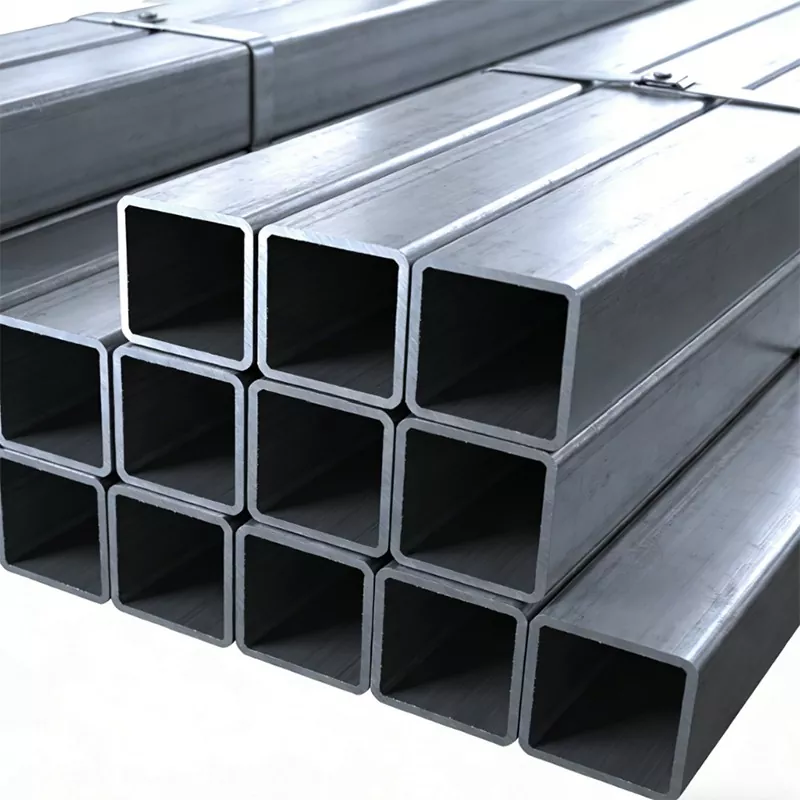
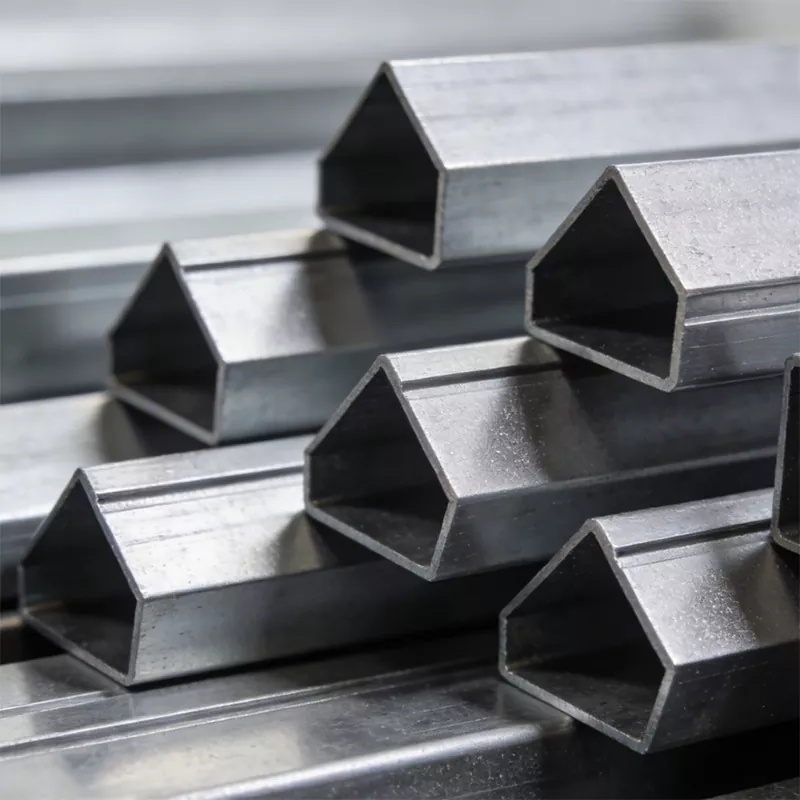
High-Precision Square Steel Tube for Industrial Equipment Frames provides controlled cross-sectional dimensions and consistent geometry for industrial equipment frames. With configurable side lengths, wall thicknesses, steel grades, and cutting lengths, they can be specified for machinery structures, automation equipment, conveyor supports, and other fabricated steel frames.
10–500mm Side Length Range
0.8–20mm Wall Thickness Range
3–12m Reference Length Range
Q235B–Q690 Available Steel Grades
High-Precision Square Steel Tube for Industrial Equipment Frames is used in fabricated structures where section dimensions, wall thickness, and straightness affect cutting, positioning, welding, and final assembly. Consistent square sections help maintain the planned geometry of equipment frames and provide flat surfaces for connecting plates, brackets, and other structural components.
Shunchen Industry supplies square steel tubes in different sizes and material grades according to production capabilities and confirmed technical requirements. Specifications can be reviewed against drawings, including side length, wall thickness, cutting length, dimensional tolerance, and surface treatment. For related structural products, explore our square tube range.
Key Features of High-Precision Square Steel Tube
For industrial equipment frames, the important characteristics of a square steel tube are not limited to its nominal dimensions. The consistency of the section, the condition of the tube surface, and its suitability for secondary fabrication all affect how the material performs during frame production.
Consistent Cross-Sectional Dimensions
Controlled side lengths and section geometry help maintain alignment between connected frame members. This is useful when several square tubes must be cut and assembled according to the same drawing dimensions.
Controlled Wall Thickness
Wall thickness affects the section's weight, stiffness, and structural capacity. Selecting a suitable thickness helps match the tube to the loads and connection details specified for the equipment frame.
Straightness for Frame Assembly
Straight tube sections make positioning and alignment easier during fabrication. Straightness control is particularly relevant for long frame members and assemblies that require consistent reference surfaces.
Flat Surfaces for Connections
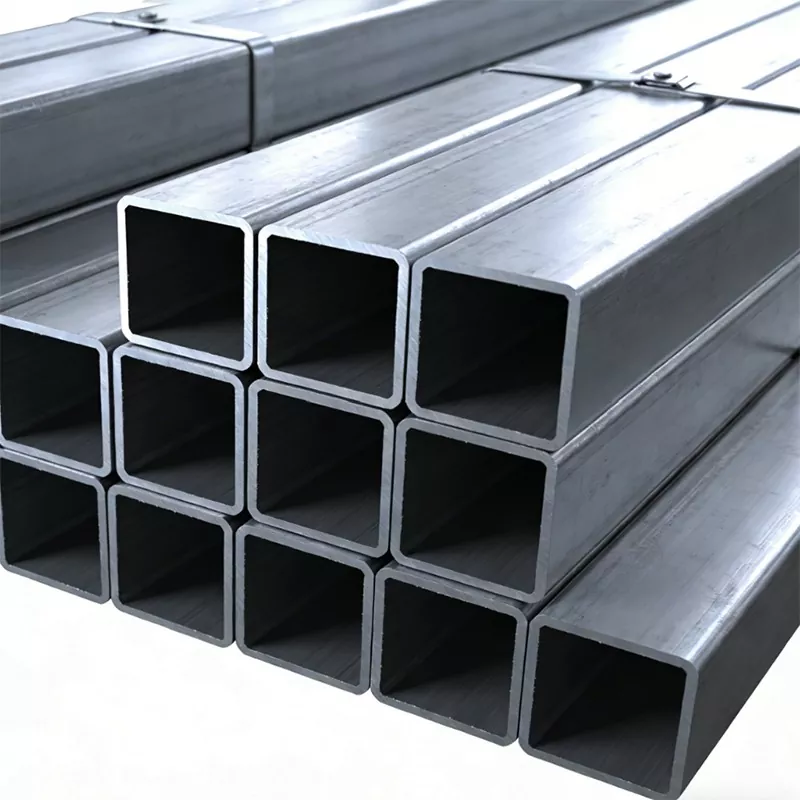
The four flat sides of a square steel tube provide practical surfaces for fitting plates, brackets, mounting components, and other connection parts. Hole positions and joint details should follow the approved drawings.
Suitable for Secondary Processing
Square steel tubes can be specified for cutting, drilling, welding, and other fabrication operations. Processing methods should be selected according to the material grade, wall thickness, and frame design.
Multiple Material and Size Options
Different steel grades, side lengths, wall thicknesses, and cutting lengths allow the tube specification to be matched to equipment dimensions, structural calculations, and manufacturing requirements.
Technical Specifications
The following table summarizes the reference specification range for Shunchen's high-precision square steel tubes. Actual availability and achievable tolerances should be confirmed for the selected material, dimensions, manufacturing process, and order requirements.
| Specification Category | Technical Parameters | Notes for Industrial Equipment Frames |
|---|---|---|
| Product Type | High-Precision Square Steel Tube | Hollow square steel section for fabricated equipment frames and structural assemblies. |
| Material | Carbon steel: Q235B, Q345B, Q690 and other grades subject to confirmation. | Material selection should follow the required strength, weldability, and applicable project standard. |
| Side Length | Reference range: 10mm × 10mm to 500mm × 500mm. | The required section size depends on frame geometry, member spacing, and structural design. |
| Wall Thickness | Reference range: 0.8mm to 20mm. | Thickness should be selected according to the applied load, member length, and connection method. |
| Cutting Length | Reference range: 3m to 12m; customized lengths subject to production confirmation. | Specified lengths can help reduce unnecessary cutting during frame fabrication. |
| Dimensional Tolerance |
Side length tolerance: reference value ≤±0.3mm Wall thickness tolerance: reference value ≤±0.1mm |
Final tolerance requirements should be agreed according to the product dimensions and applicable standard. |
| Straightness | Reference deviation: ≤1mm/m. | Straightness affects positioning and alignment of long frame members during assembly. |
| Section Verticality | Reference value: ≤0.5°. | Section geometry should be checked where the frame design requires accurate right-angle connections. |
| Surface Treatment | Options may include hot-dip galvanizing, painting, and other specified protective coatings. | The treatment should be selected according to the operating environment and corrosion protection requirements. |
| Processing | Cutting, drilling, welding, and other agreed fabrication operations. | Processing feasibility depends on material grade, tube dimensions, wall thickness, and drawing details. |
| Applicable Standards | GB/T 3094-2012, ASTM A500, EN 10210, or other specified standards where applicable. | The governing standard should be confirmed for the selected product type and order. |
How Dimensional Accuracy Affects Equipment Frame Assembly
Industrial equipment frames are usually assembled from multiple steel members, plates, and connection components. When the square steel tubes have inconsistent side lengths, wall thicknesses, or straightness, the differences can affect positioning and the fit between adjoining parts. These deviations may require additional adjustment during tack welding, final welding, or installation.
Alignment Between Frame Members
Consistent section dimensions help keep connected members in their intended positions. This is important for rectangular frames, machine bases, support structures, and other assemblies where several tubes must align along a common reference line.
Connection Plate and Bracket Fitting
High-Precision Square Steel Tube for Industrial Equipment Frames is often connected with plates, brackets, or mounting components. The flat sides provide contact surfaces for these parts, while controlled dimensions help maintain the intended joint arrangement. Hole locations, plate thickness, and welding details still need to be defined by the fabrication drawings.
Cutting and Welding Preparation
Accurate tube dimensions and cutting lengths help maintain the planned frame layout before welding. When the material matches the specified dimensions, fabricators can work from the drawing requirements with fewer dimensional corrections. Welding sequence and fixture design remain important for controlling distortion in the completed frame.
Material Selection and Structural Performance
The steel grade and section dimensions should be selected according to the loads and operating conditions of the equipment. A larger section or thicker wall does not automatically make a frame suitable for every application. The design should consider member length, support conditions, connection details, load direction, and the possibility of vibration during equipment operation.
Q235B for General Structural Fabrication
Q235B is a commonly used carbon structural steel grade for general fabrication. It may be considered for equipment frames and support members where the specified strength and material properties meet the design requirements.
Q345B for Higher Strength Requirements
Q345B may be selected for structural members requiring higher strength than general-purpose carbon steel. Its suitability depends on the design load, section dimensions, welding requirements, and the applicable material standard.
Q690 for Specified High-Strength Applications
Q690 is a high-strength steel grade that may be considered for designs where higher material strength is required. Its use should be supported by engineering calculations and appropriate fabrication procedures, particularly where welding and forming are involved.
When specifying a high-precision square steel tube, the material grade should be considered together with the side length, wall thickness, member span, and connection method. The selected combination should meet the structural requirements without relying on material strength alone.
Manufacturing Process and Quality Control
The manufacturing process affects the dimensional consistency, section shape, weld condition, and surface quality of square steel tubes. For industrial equipment frame applications, these characteristics should be controlled throughout production rather than checked only after the tube has been completed.
Material Preparation
Steel material is selected according to the specified grade and dimensions. Incoming material checks help verify the required material information and identify visible defects before forming.
Forming and Welding
The steel strip is formed into the required square section and joined using the specified welding process. Forming and welding conditions influence the section profile and weld quality.
Sizing and Straightening
Sizing operations help bring the tube closer to the required side dimensions and cross-sectional geometry. Straightness and section shape should be controlled against the agreed specifications.
Cutting and Finishing
Tubes are cut to the specified lengths and prepared for inspection. End condition and surface appearance should be checked before the finished products are packed.
Dimensional Inspection
Inspection can cover side length, wall thickness, length, straightness, and section geometry. The inspection frequency and acceptance criteria should follow the agreed quality plan.
Weld and Material Checks
Weld appearance and other required weld tests can be checked according to the product standard and order requirements. Material certificates and test reports can be arranged where specified.
Industrial Applications
High-Precision Square Steel Tube for Industrial Equipment Frames is used in different types of industrial equipment frames. The tube dimensions and material grade should be matched to the structural role of each member, whether it is used as a main support, cross member, mounting frame, or secondary reinforcement.
Industrial Machinery Frames
Square steel tubes can be fabricated into machine bases, equipment support frames, and structural enclosures. The section size and wall thickness should be selected according to the equipment weight, support points, and loads transferred through the frame.
Automation Equipment Frames
Automated production equipment often uses assembled steel frames to support mechanical units, sensors, guards, and other components. Consistent tube dimensions help maintain the positioning of frame members and the fit of connecting parts during fabrication.
Conveyor System Supports
Square steel tubes may be used for conveyor support legs, cross members, and equipment frames. The design should account for the conveyor span, supported load, operating vibration, and the arrangement of connected components.
Industrial Workstations and Assembly Structures
Square steel tubes can also be used to manufacture workstations, assembly benches, equipment stands, and modular support structures. Specified cutting lengths and connection details help keep the finished assembly consistent with the intended layout.
Fabrication and Assembly Considerations
Before High-Precision Square Steel Tube for Industrial Equipment Frames is processed into equipment frames, the fabrication drawings should define the cut lengths, hole positions, connection plates, welding joints, and surface treatment requirements. These details help coordinate the tube specifications with the subsequent manufacturing steps.
- Cutting: Confirm the required length and end preparation before cutting. Cutting tolerances should be included in the fabrication requirements.
- Drilling: Specify hole diameter, spacing, and position according to the mounting or connection design.
- Welding: Select a suitable welding procedure based on the steel grade, wall thickness, joint configuration, and applicable requirements.
- Frame positioning: Use the approved drawings and suitable fixtures to control member alignment during assembly.
- Surface protection: Confirm whether coating or galvanizing should be completed before or after fabrication, depending on the joint design and corrosion protection requirements.
For frames requiring close assembly tolerances, it is useful to confirm the tube dimensions and processing allowances before mass fabrication. This helps prevent discrepancies between the supplied material and the finished frame drawings.
Surface Treatment and Corrosion Protection
The required surface treatment depends on where the equipment will operate and whether the steel frame is exposed to moisture, chemicals, outdoor conditions, or frequent cleaning. Surface protection should be specified together with the fabrication sequence because cutting and welding can affect the coating at processed areas.
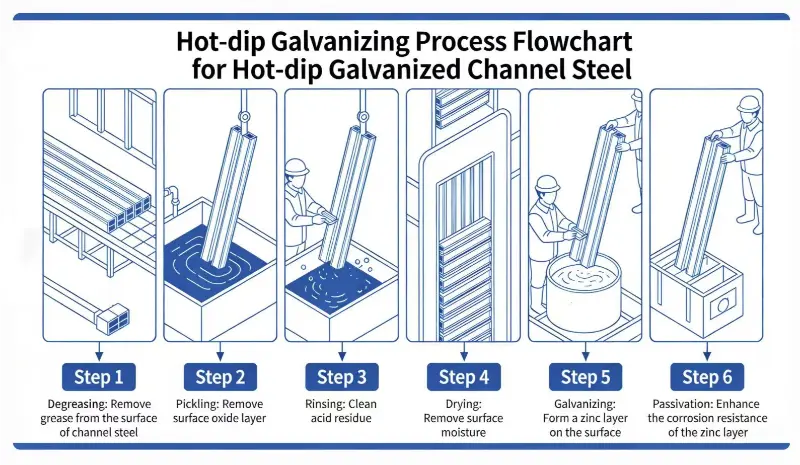
Hot-Dip Galvanizing
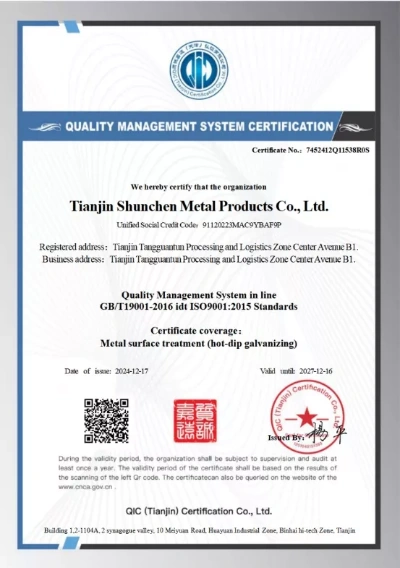
Hot-dip galvanizing provides a zinc coating on the steel surface and may be specified for equipment frames used in outdoor or humid environments. Coating requirements, including thickness and inspection criteria, should be confirmed according to the applicable standard.
Paint and Protective Coatings
Paint systems and other protective coatings can be selected according to the exposure environment and required finish. Surface preparation, coating type, and dry film thickness should be stated in the technical specification where these values are controlled.
Surface Preparation
Surface cleaning and preparation help establish the conditions needed for the selected coating system. Any areas affected by cutting, drilling, or welding should be treated according to the agreed corrosion protection procedure.
Why Choose Shunchen Industry
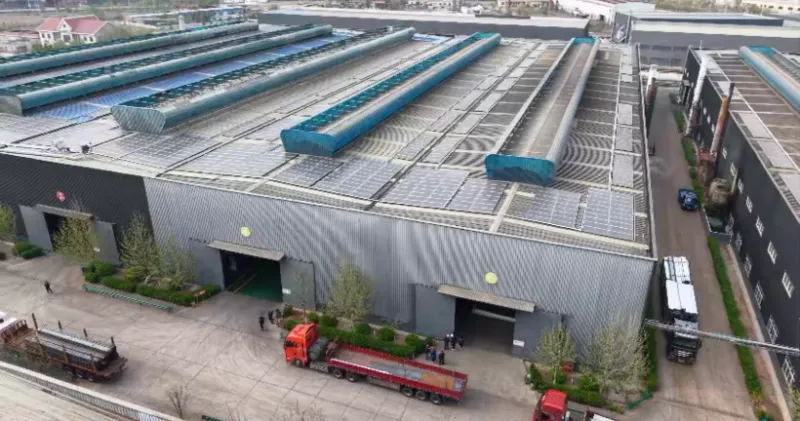
Tianjin Shunchen Industry was founded in 2014 and is based in the Daqiuzhuang Industrial Zone, Tianjin, China. The company operates in the steel manufacturing and processing sector, with business activities covering steel products, hot-dip galvanizing, warehousing, logistics, and related supply services.
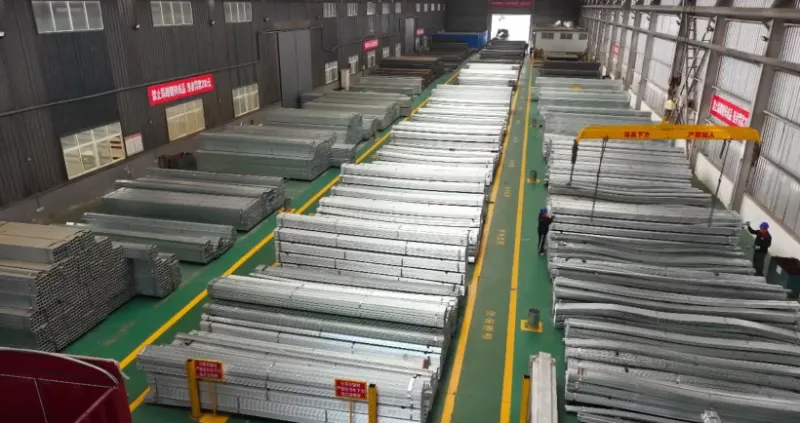
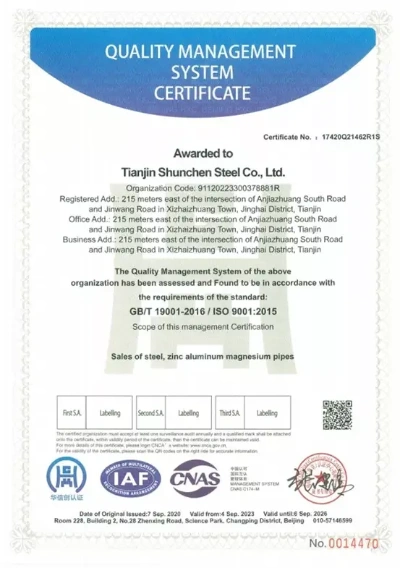
Shunchen has an annual production capacity of more than 450,000 tons and a workforce of over 300 employees. The company obtained ISO 9001 quality management system certification in 2018 and has developed production and supply capabilities for different steel product requirements.
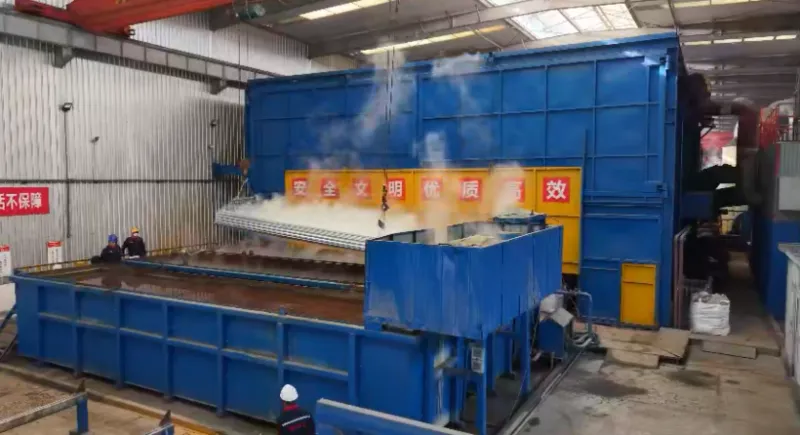
For High-Precision Square Steel Tube for Industrial Equipment Frames projects, product specifications can be reviewed according to drawings and confirmed requirements. Side length, wall thickness, steel grade, cutting length, tolerance, and surface treatment should be clarified before production so that the supplied material matches the intended fabrication process.
- Steel industry experience: Established in 2014, with experience in steel manufacturing and related processing operations.
- Production capacity: Annual production capacity exceeding 450,000 tons across the company's steel operations.
- Quality management: ISO 9001 quality management system certification obtained in 2018.
- Specification coordination: Product dimensions and material requirements can be reviewed against technical drawings.
- Supply support: Steel product supply, warehousing, and logistics services support order coordination.
For related products and structural material options, visit our steel structure and steel pipes and tubes categories.
Frequently Asked Questions
What is a high-precision square steel tube used for in industrial equipment frames?
A high-precision square steel tube is used to fabricate machine bases, equipment support frames, automation equipment structures, conveyor supports, and other steel assemblies. Its controlled section dimensions and flat sides help with member positioning, connection fitting, and frame fabrication.
What dimensions are available for high-precision square steel tubes?
The reference size range is 10mm × 10mm to 500mm × 500mm, with wall thicknesses from 0.8mm to 20mm. Available dimensions depend on the selected material, production process, and order requirements. Confirm the required size before placing an order.
Which steel grades can be used for industrial equipment frames?
Q235B and Q345B are commonly considered for structural fabrication, while Q690 may be specified for applications requiring higher material strength. The final grade should be selected according to the structural design, welding requirements, and applicable material standard.
Why is dimensional accuracy important for square steel tube frames?
Dimensional accuracy affects the alignment and fit of connected frame members. Consistent side lengths, wall thickness, and straightness help maintain the intended frame geometry during cutting, positioning, welding, and assembly. The required tolerances should be defined in the product specification.
Can high-precision square steel tubes be cut and drilled to custom requirements?
Cutting and drilling requirements can be discussed according to the drawings and production conditions. The required lengths, hole diameters, hole positions, and end preparation should be confirmed before processing. Additional fabrication services are subject to the available production capabilities.
Can square steel tubes be welded for equipment frame fabrication?
Square steel tubes can be used in welded frame assemblies when the material grade, wall thickness, and joint design are suitable for the specified welding procedure. Welding parameters and inspection requirements should be determined according to the fabrication standard.
What surface treatments are available for industrial square steel tubes?
Surface treatment options may include hot-dip galvanizing, painting, and other specified protective coatings. The appropriate option depends on the operating environment, corrosion protection requirements, and whether the tube will be processed before or after coating.
What information is needed to request a quotation?
Please provide the required side length, wall thickness, steel grade, tube length, quantity, dimensional tolerance, surface treatment, and applicable standard. Technical drawings are also helpful when the square steel tubes need to match specific equipment frame dimensions or connection details.
Request a Quote for High-Precision Square Steel Tube for Industrial Equipment Frames
Send Shunchen Industry your required tube dimensions, steel grade, wall thickness, cutting length, and tolerance specifications. Technical drawings can help clarify the requirements for your industrial equipment frame project.
Related Category
Send Inquiry
Contact Info
-
Address
Shunchen Industrial Co., Ltd., Anzhuangzi Industrial Park, Xizhaizhuang Town, Jinghai District, Tianjin,China
-
Tel
-
Looking for affordable, high-quality steel? Send an inquiry to Shunchen. We provide customized solutions and low-price quotations within 24 hours for your bulk orders.
News Recommendations