Concrete Reinforcement Ribbed Rebar in Coil for Automated Bending
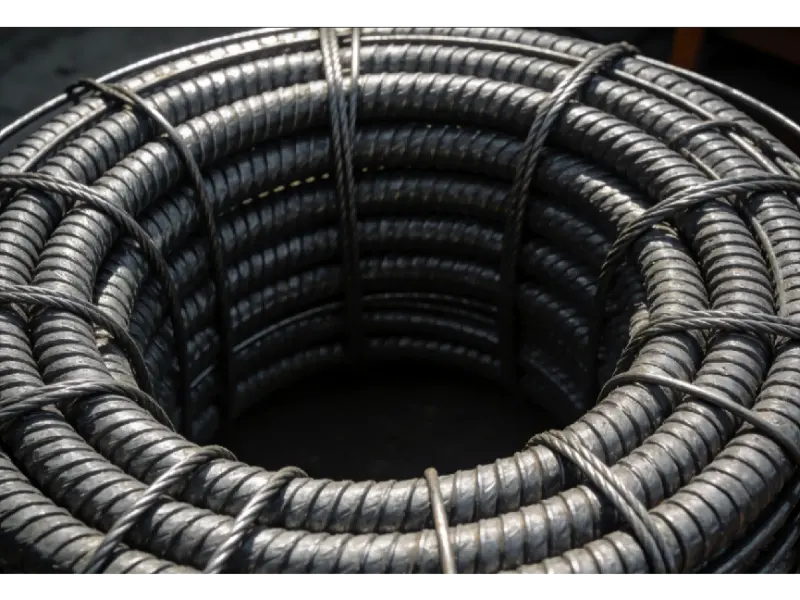
Shunchen currently operates 8 companies across 6 major business segments, with an annual production capacity exceeding 450,000 tons. We specialize in supplying concrete reinforcement ribbed rebar in coil for automated bending. Delivered in coils and featuring a ribbed profile, these bars are engineered specifically for use with CNC stirrup benders and automated feeding/bending equipment. They effectively address common pain points in rebar processing facilities, such as inconsistent feeding, brittleness leading to breakage during bending, and low production output.
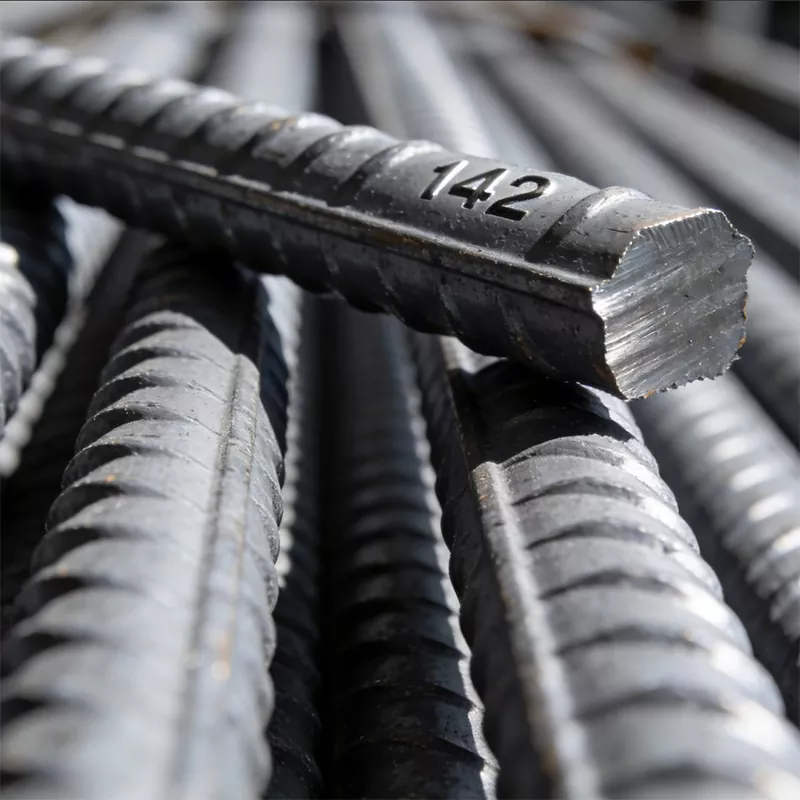
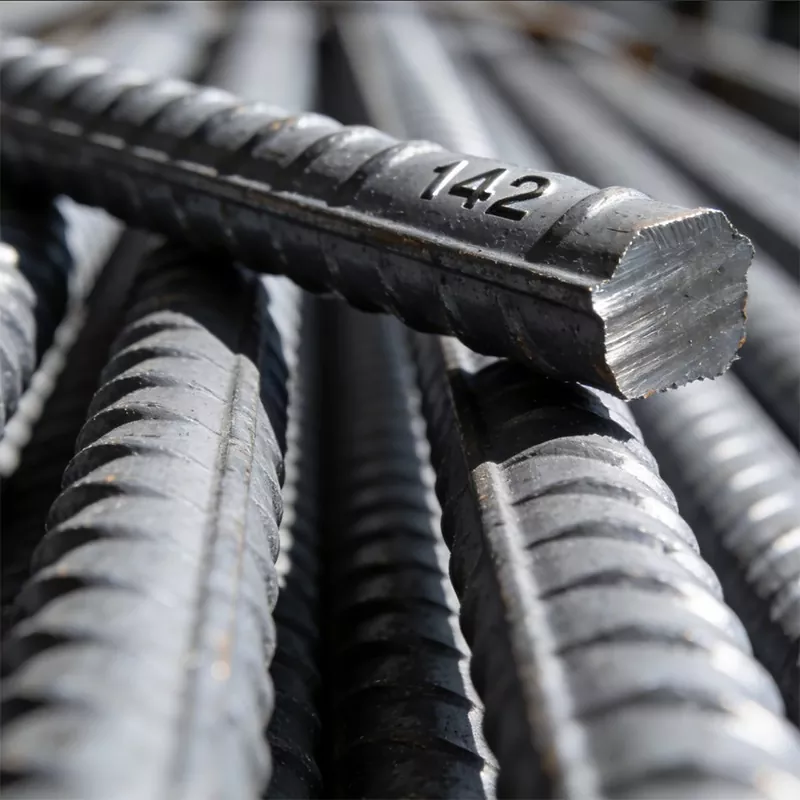
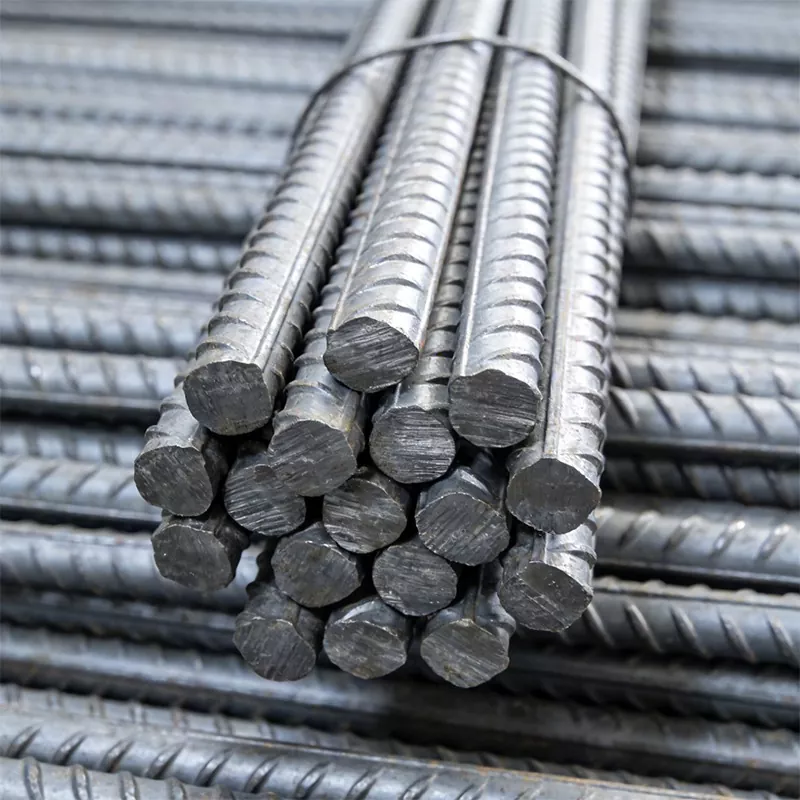
Concrete reinforcement ribbed rebar in coil for automated bending are produced via a hot-rolling process. Supplied in coils, the bars feature uniform transverse and longitudinal ribs, which enhance bonding with concrete while facilitating continuous, automated processing. They are primarily used for fabricating reinforcement for structural elements such as floor slabs, beams, columns, and shear walls. When paired with CNC stirrup benders, they allow for the one-step forming of stirrups and hooks, eliminating the need for repeated handling of individual straight bars or manual straightening. Our coiled ribbed steel bars offer consistent diameters, uniform rib patterns, and clean surfaces. With mechanical and bending properties that meet all relevant standards, they ensure smooth bending without the risk of brittle fracture—making them the ideal, hassle-free choice for automated rebar processing lines.
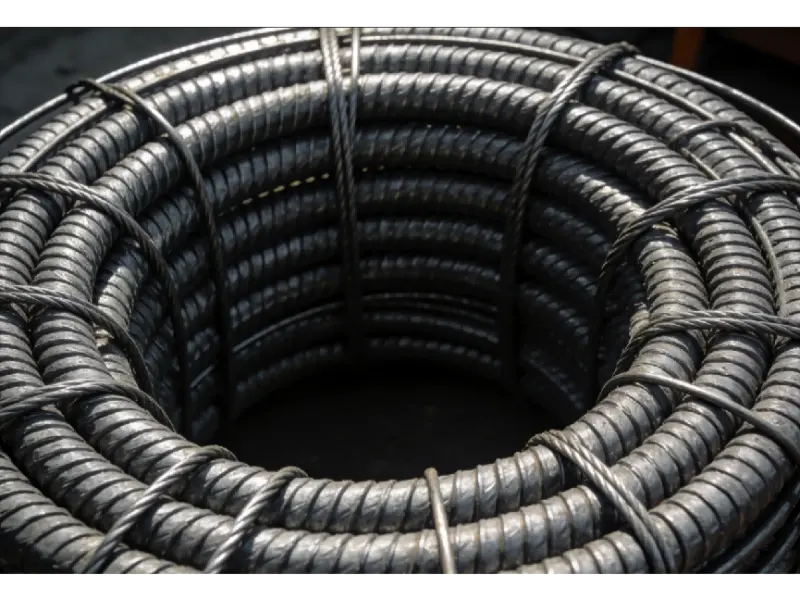
Product Features
① Supplied in coils for continuous, automated feeding
Processing individual straight bars requires frequent manual loading and constant machine stoppages, resulting in low efficiency. In contrast, our coiled steel bars can be loaded as a single unit and fed continuously into automated systems. This enables a "load-once, bend-continuously" workflow, significantly accelerating production cycles, increasing total output, and reducing labor requirements.
② Consistent diameter to prevent jamming in bending dies
Inconsistent diameters or irregular rib patterns can cause rebar to jam or clog the feeding mechanism, while also accelerating wear on the bending dies. We maintain strict control over diameter tolerances, rib height, and rib spacing, ensuring a uniform surface. This results in smooth feeding, stable bending, fewer machine stoppages, less rework, and an extended service life for your bending dies.
③ Compliant mechanical properties—bending without cracking
In automated bending, the greatest risk is brittle fracture—where a bar snaps during the bending process, forcing an immediate production halt. We guarantee that the yield strength, tensile strength, and elongation meet all required standards, and that the material exhibits satisfactory bending performance. This ensures that the steel does not crack or spring back during the bending process, resulting in dimensionally stable finished products and a smooth, efficient manufacturing workflow.
④ Clean surface, minimal rust and burrs
Rust or burrs on the surface of steel rebar can hinder the bending process, damage the bending dies, and compromise the bond between the steel and the concrete. Our coiled ribbed concrete reinforcement ribbed rebar in coil for automated bending features a clean, burr-free surface and is resistant to rust during short-distance transit. This extends the service life of your bending dies, ensures a high-quality finish on the final products, and provides more consistent processing results.
⑤ Coiled delivery for space-efficient storage
Straight steel bars are long, heavy, and cumbersome to store and transport. In contrast, our coiled rebar is compact, requiring less storage space and making it easier to handle, move around the site, and manage in your inventory.
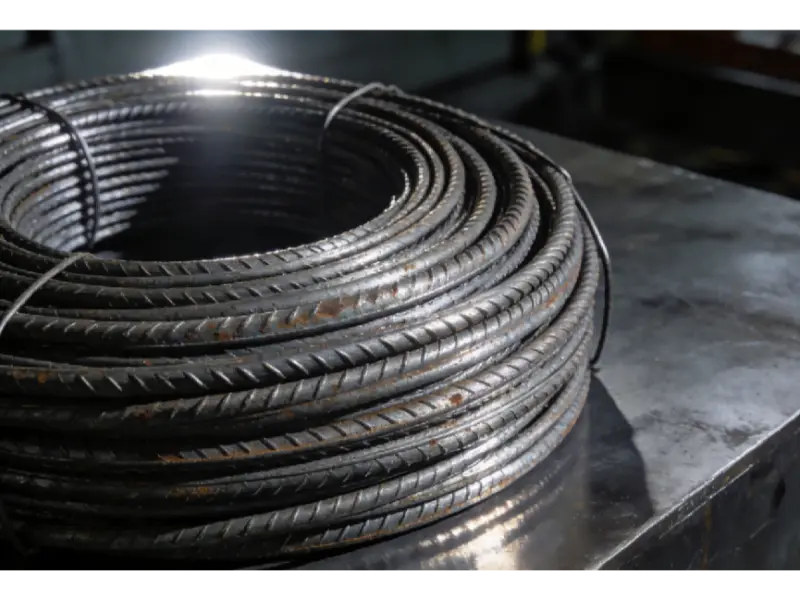
Usage Precautions
①Moisture and rust prevention:
concrete reinforcement ribbed rebar in coil for automated bending must be stored in a dry, well-ventilated environment; avoid prolonged exposure to rain or standing water. If moisture penetrates the coil, it is difficult to dry out, leading to surface rust over time—which weakens the bond with concrete and interferes with the bending process. Keeping the storage environment dry ensures the steel remains free from corrosion for longer.
②Lifting and handling:
Use lifting straps or soft rigging equipment to move the coils, ensuring the steel is not gouged or deformed. Any scratches or flattened sections on the outer surface of the coil can cause the material to jam in the bending machine. Handle with care and use designated lifting points to keep the surface intact.
③Pre-feeding inspection:
Before loading the coil onto the machine, clear away any debris and check for bends, flattened areas, or significant rust. Set aside any compromised coils for separate handling; do not load them into the machine, as this could cause jams, blockages, or material breakage, disrupting the entire production line.
④Low-temperature bending:
Steel becomes more brittle in cold environments, which increases the risk of cracking during the bending process. Processing should be conducted within the temperature range specified by relevant standards. In cold weather, materials should be preheated or the processing speed reduced to prevent brittle fracture, which could lead to material waste and production downtime.
⑤Temperature Control During Welding:
Heating temperatures must be strictly controlled during welding to avoid overheating, which could compromise the mechanical properties of the steel bars. After welding, slag must be promptly removed, and the weld zone must be verified for sufficient strength. Proper temperature control ensures that welded joints are robust and reliable.
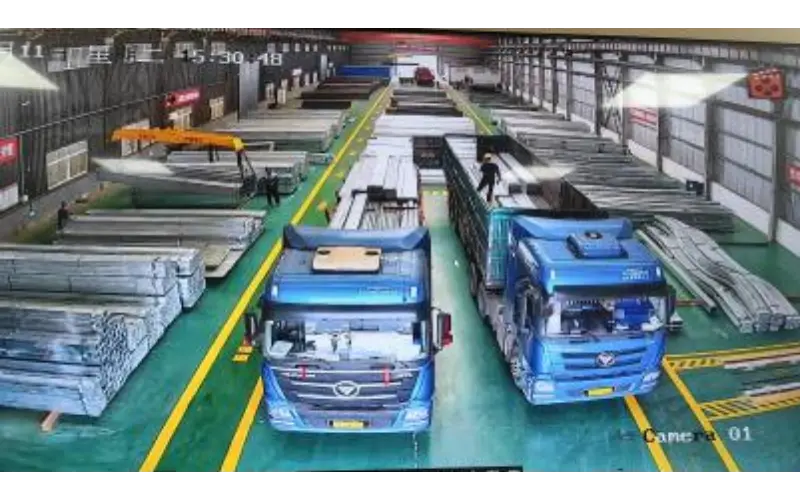
Why Choose Us
①Direct Supply from Steel Mills with Stable Inventory:
We operate our own steel supply chain, ensuring a consistent stock of coiled ribbed steel bars. We provide a steady, bulk supply for bulk supply for concrete reinforcement ribbed rebar in coil for automated bending, so you never have to worry about material shortages or production interruptions.
②Comprehensive Deep-Processing Equipment:
Our facility is fully equipped with machinery for straightening, cutting, and sizing. We offer one-stop service, including custom-length cutting and straightening, eliminating the need for intermediaries.
③Strict Material Quality Control:
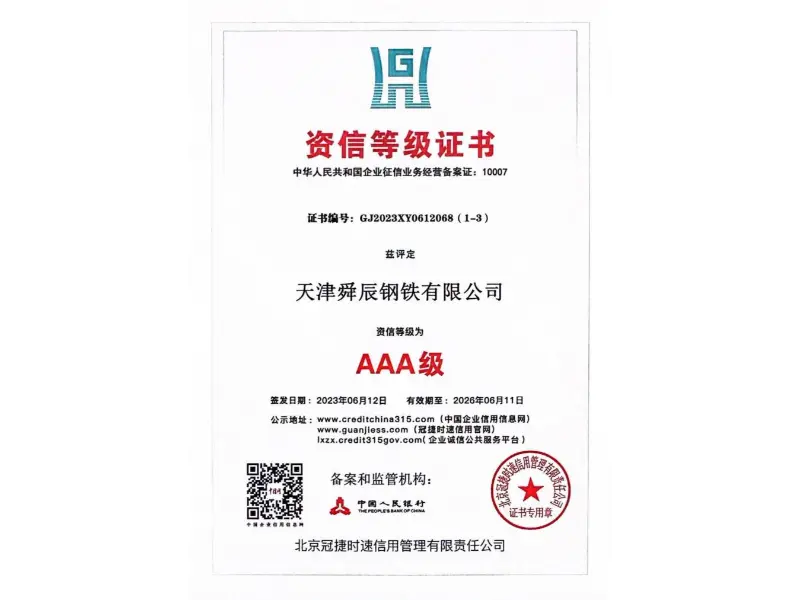
All incoming raw materials must be accompanied by contracts and purchase agreements, subject to centralized financial review. This prevents the inclusion of substandard materials and ensures full traceability, giving you peace of mind.
④Complete Testing Capabilities:
We maintain on-site testing equipment, including mechanical testing apparatus. Every delivery comes with material certificates and test reports, ensuring that acceptance inspections are backed by verifiable data.
FAQ
1. Is there a significant difference between processing coiled steel bars and straight steel bars?
Yes, there is a substantial difference. Coiled steel bars allow for continuous feeding and bending, eliminating the need to handle individual bars; this results in higher efficiency and a greater degree of automation. In contrast, straight bars require multiple rounds of manual handling and straightening. For the batch production of stirrups and hooks, coiled steel bars are significantly more time-efficient and material-saving.
2. Is there a high risk of material breakage during automated bending?
Materials with consistent diameters and compliant mechanical properties are unlikely to break. Breakage typically occurs with materials that have large diameter tolerances, unstable carbon content, or those subjected to "cold bending" (bending while the material is too hard due to low temperatures). Every batch of our concrete reinforcement ribbed rebar in coil for automated bending intended for automated bending undergoes mechanical and bend testing to ensure they can be formed without cracking, minimizing the risk of breakage.
3. Do the ribs interfere with the feeding process or cause the material to get stuck in the molds?
No, they do not. The height and spacing of the ribs are controlled according to standards, resulting in a uniform and smooth surface that fits perfectly with the feed rollers and guide mechanisms of stirrup-bending equipment. As long as the diameter tolerance remains stable, the material feeds smoothly without jamming the tooling.
4. Does diameter tolerance significantly affect bending precision?
Yes, it does. If the diameter fluctuates, the dimensions of the bent stirrups will be inaccurate, leading to cumulative errors. By keeping the diameter tolerance within standard limits, we ensure stable feeding and bending precision, resulting in consistent dimensions for the finished products.
5. Does surface rust affect bending or bond strength?
Yes. Heavily rusted rebar can flake off during bending, potentially scratching the tooling; furthermore, a layer of rust weakens the bond between the steel and the concrete. Our products leave the factory with a clean, rust-free surface. Please ensure moisture protection during transport and storage to prevent the material from rusting before it reaches the machine.
6. Are the mechanical properties consistent across different batches?
Yes. Every batch undergoes testing for mechanical properties, bend performance, dimensions, and chemical composition, and is supplied with a material certificate and test report. Consistent performance across batches simplifies both the processing stage and the final inspection.
7. Is there any springback during bending? Are the dimensions of the finished products stable?
Springback is minimal and can be considered negligible. With stable material properties and a properly matched mandrel (bending pin) diameter, the angles and dimensions of the bent stirrups remain consistent. This ensures that processing precision requirements are met and prevents large-scale dimensional deviations.
Send Inquiry
Contact Info
-
Address
Shunchen Industrial Co., Ltd., Anzhuangzi Industrial Park, Xizhaizhuang Town, Jinghai District, Tianjin,China
-
Tel
-
Looking for affordable, high-quality steel? Send an inquiry to Shunchen. We provide customized solutions and low-price quotations within 24 hours for your bulk orders.
Related Products
News Recommendations