Selection Secrets of Light Steel Structure Profiles: Essential Knowledge of Their Properties
Light steel structures have become the mainstream structural form in light steel buildings, photovoltaic infrastructure, agricultural greenhouses, warehousing and logistics and other fields due to their advantages such as light self-weight, high construction efficiency, excellent seismic performance and strong recyclability. As the core component of light steel structures, the selection of profiles directly determines the structural safety, service life and comprehensive cost of projects. According to industry estimates, the selection of suitable profiles can reduce the comprehensive cost of light steel structure projects by 15%-20% and the later maintenance cost by more than 30%. The full range of light steel structure profiles of Tianjin Shunchen Industrial Group provides a diverse and reliable solution for material selection in projects of various fields.
I. Cross-Section Forms: The Core Foundation of Profile Performance, Matching Force Requirements on Demand
The cross-section design of light steel structure profiles determines their mechanical properties and force adaptability. Profiles with different cross-section forms have their own focuses in bending resistance, torsion resistance, compression resistance and other aspects, and must be accurately selected according to the force type, load size and structural span of the project, which is the primary principle for material selection of light steel structures.
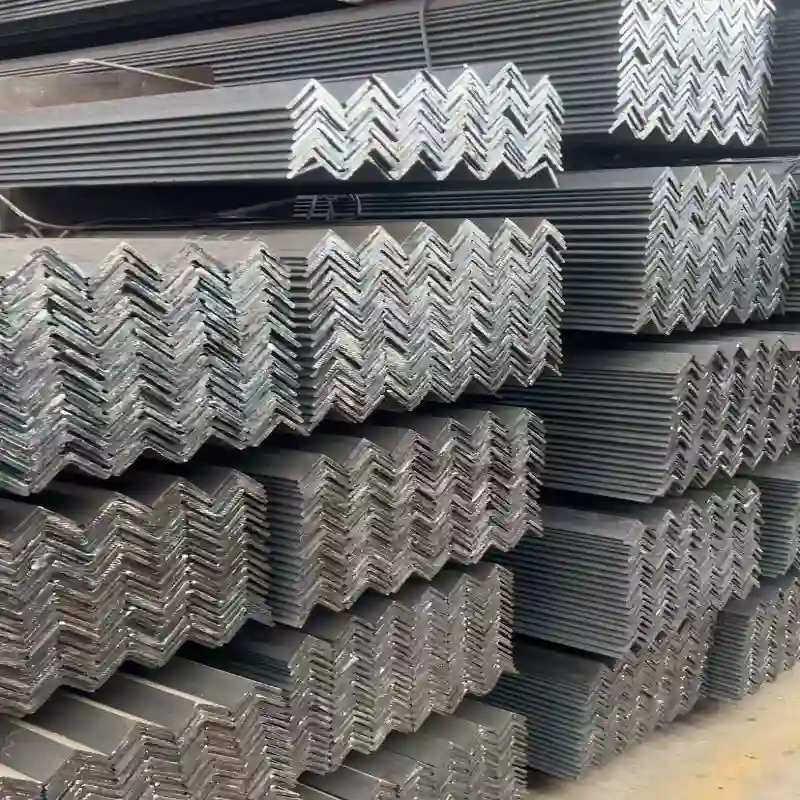
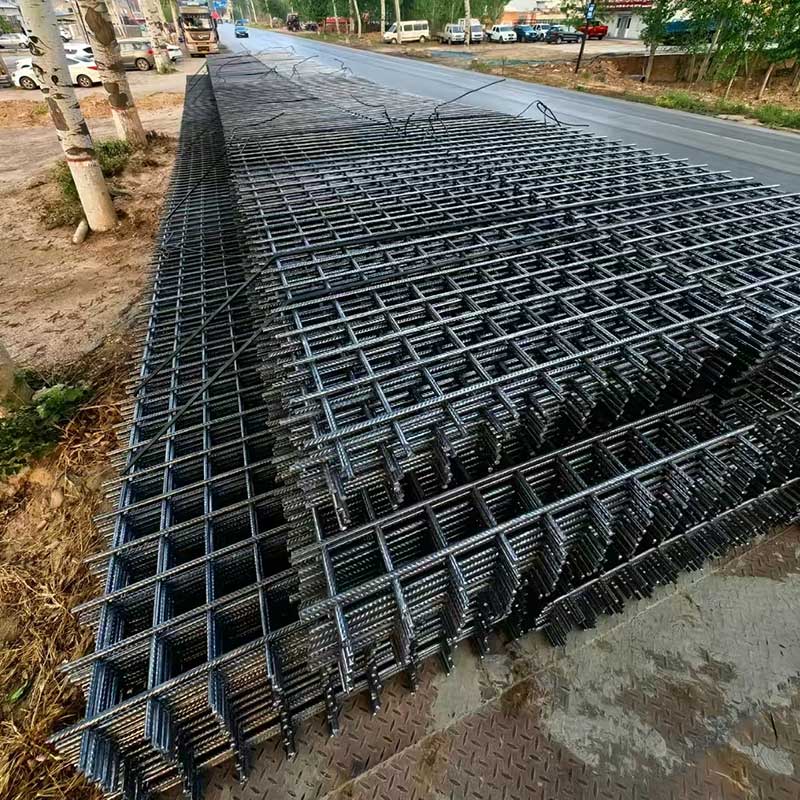
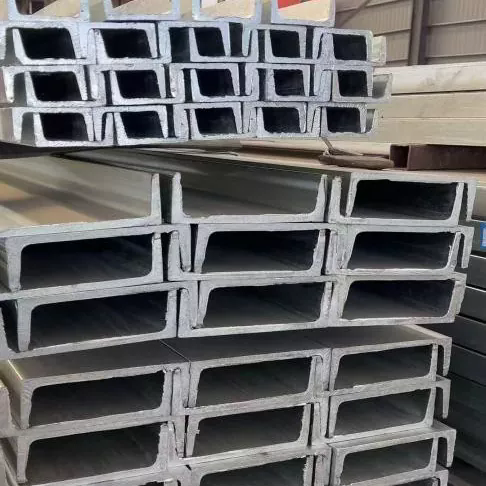
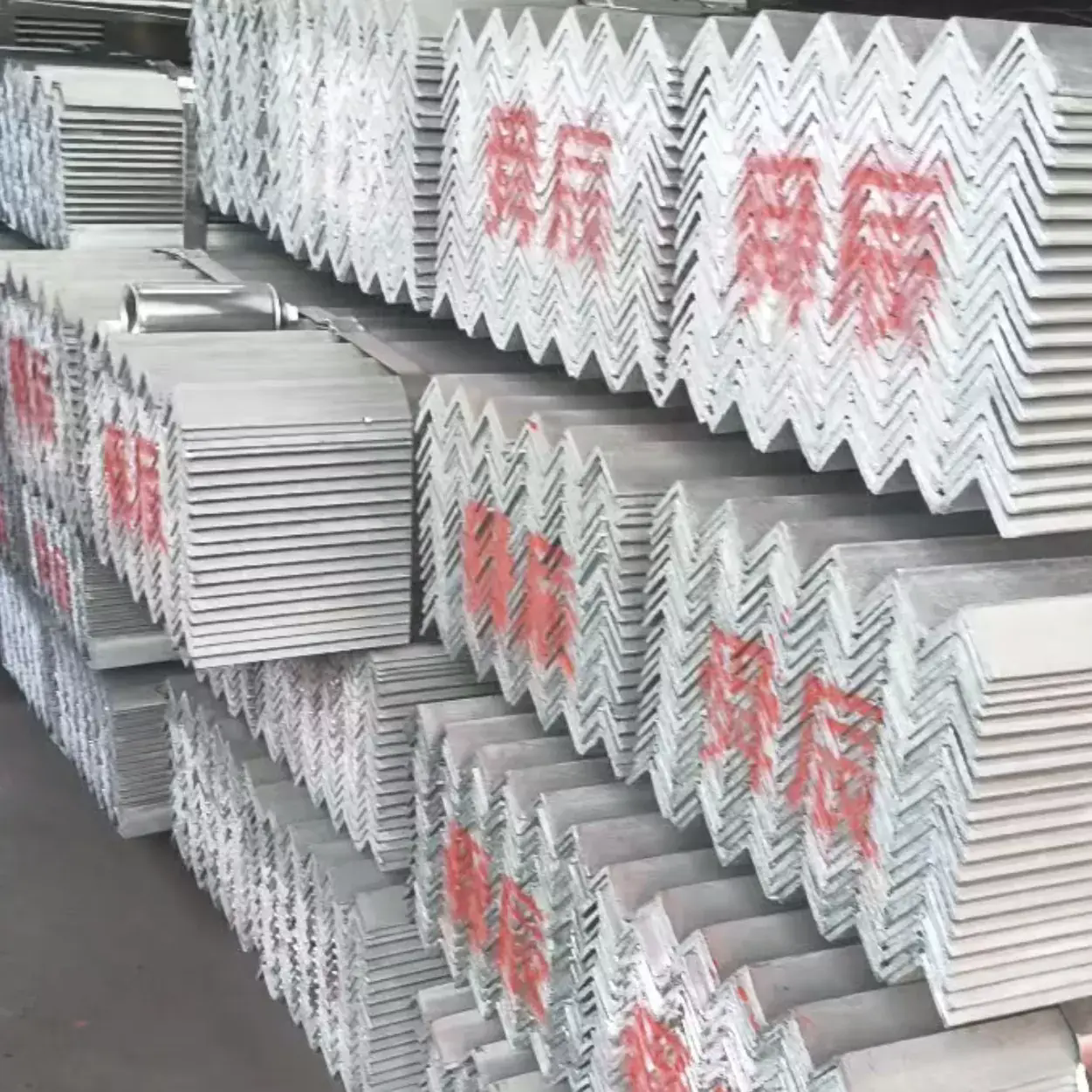
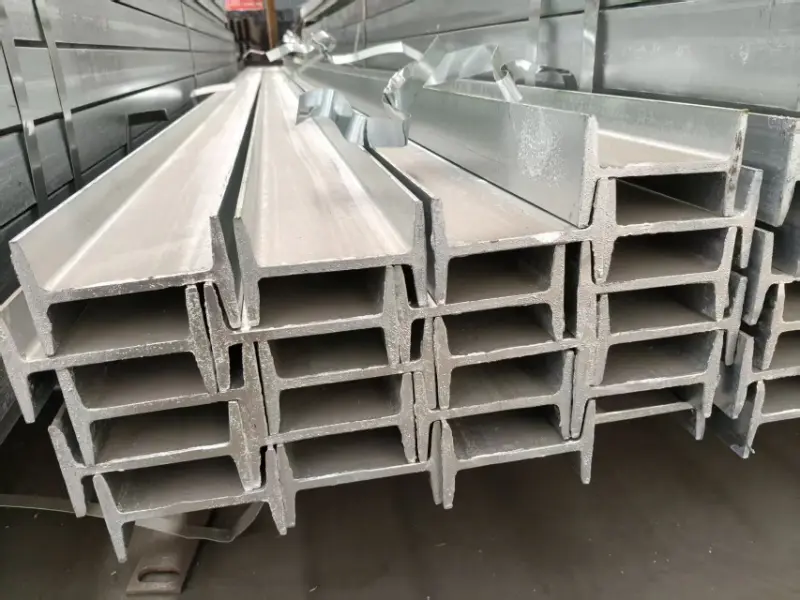
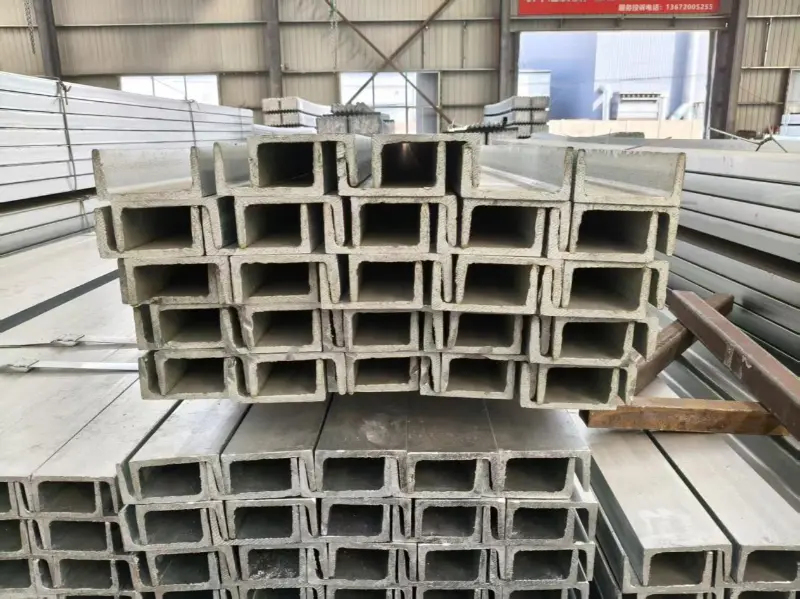
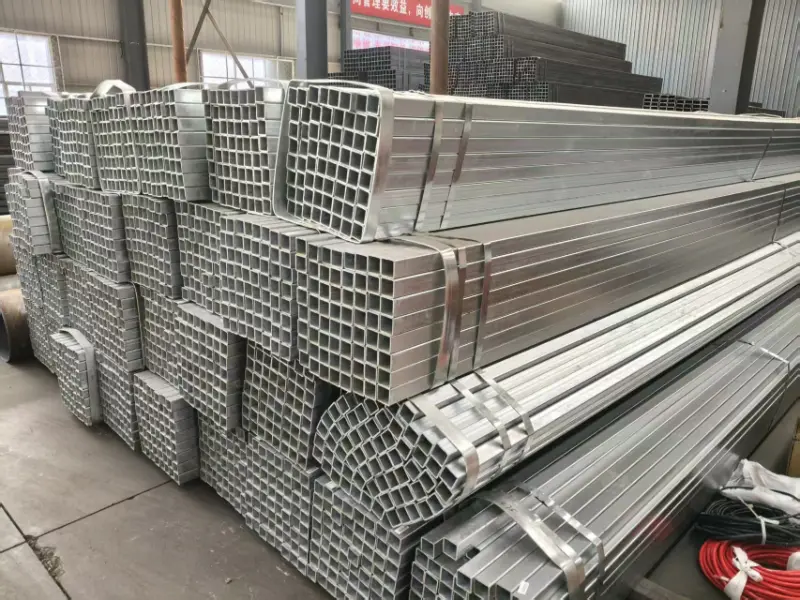
The cross-section forms of commonly used profiles for light steel structures are divided into two categories: customized refined cross-sections and classic standard cross-sections. Customized refined cross-sections such as A-shaped steel, refined T-shaped steel and refined right-angle square pipe steel are tailor-made for the refined construction of light steel structures, and their cross-section design is more in line with the force characteristics of light supports. Classic standard cross-sections such as angle steel, C/Z/U-shaped steel, circular pipes and square pipes are the basic materials for light steel structures, suitable for various conventional force scenarios. In terms of force adaptability, profiles with A-shaped cross-sections have excellent bending and torsion resistance, light self-weight and high load-bearing capacity, suitable for light linear supports such as purlins of light steel buildings and cross beams of photovoltaic supports; profiles with T-shaped cross-sections feature balanced force bearing and good connectivity, suitable for local reinforcement and connection scenarios such as building beam-column joints and warehousing shelf frames; L-shaped cross-section angle steel can achieve two-way bending and compression resistance, which is the preferred choice for two-way force scenarios such as scaffolding and transmission tower supports; cold-formed thin-walled C/Z/U-shaped cross-section profiles have high cross-section utilization rate and material saving, suitable for long-span linear supports such as keels of light steel villas and purlins of roof and wall; square/rectangular cross-section profiles have both torsion and compression resistance and high dimensional accuracy, suitable for heavy load and high requirement scenarios such as building curtain walls and high-precision mechanical supports; circular cross-section profiles feature uniform force bearing and high compression resistance, suitable for outdoor light infrastructure scenarios such as agricultural greenhouse skeletons and water supply and drainage pipes.
II. Performance Indicators: Hard Standards for Material Selection, Controlling the Quality Bottom Line in Multiple Dimensions
The performance indicators of light steel structure profiles directly determine the structural stability of projects. When selecting materials, it is necessary to strictly control the three core indicators of mechanical properties, processability and corrosion resistance. All indicators must meet the requirements of relevant national standards, and the targeted indicator requirements should be improved in combination with project scenarios to ensure that the profile quality meets the usage needs.
Mechanical Properties: Focus on the three core indicators of tensile strength, yield strength and percentage elongation after fracture. The tensile strength of commonly used profiles for light steel structures should reach 370-500MPa, the yield strength should not be lower than 235MPa, and the percentage elongation after fracture should be ≥26%, so as to ensure that the profiles are not easy to deform or fracture under load. For light steel structure scenarios with long span and heavy load, the bending stiffness and yield strength indicators of profiles should be appropriately increased to improve the structural safety redundancy.
Processability: The construction of light steel structures is mainly based on on-site splicing and rapid installation. Profiles must have good cutting, welding, drilling and bending performance, without obvious deformation or cracks after processing. At the same time, the dimensional deviation of profiles must be strictly controlled. For example, the right-angle deviation of refined right-angle square pipe steel is ≤0.19mm, and the dimensional deviation of angle steel is within ±0.74mm, so as to ensure the accuracy of on-site splicing and improve construction efficiency.
Corrosion Resistance: Light steel structures are mostly applied in outdoor, high-humidity, dusty and other environments, and corrosion resistance is the key to extending the service life of profiles. The mainstream hot-dip galvanizing anti-corrosion process provides long-term protection for profiles. When selecting materials, attention should be paid to the zinc layer thickness and passivation treatment process. The average thickness of the hot-dip galvanizing layer of outdoor profiles should be ≥70μm. Profiles treated with three times of passivation have stronger anti-alkali reversion ability, and the zinc layer is firmly combined with the steel matrix to avoid zinc layer peeling and blistering during use.
III. Scenario Matching: The Ultimate Principle of Material Selection, Achieving Cost Reduction and Efficiency Improvement through Precise Adaptation
The application scenarios of light steel structures vary significantly, from indoor warehousing shelves to outdoor photovoltaic power stations, from high-humidity light steel buildings in the south to coastal saline-alkali agricultural greenhouses. Different scenarios have different requirements for profiles. The core principle of material selection is scenario adaptation, performance matching and cost control, so as to avoid cost waste caused by over-selection of materials or project quality problems caused by insufficient material selection.
Determine the anti-corrosion grade according to the service environment: For humid and corrosive environments such as outdoor high-humidity areas, coastal saline-alkali areas and agricultural greenhouses, hot-dip galvanized anti-corrosion profiles should be selected; for some highly corrosive industrial areas, composite anti-corrosion profiles with hot-dip galvanizing + spray coating can be selected to ensure the service life of profiles reaches 20-50 years. For dry indoor environments such as warehousing shelves and indoor mechanical frames, cold-galvanized or ordinary painted profiles can be selected according to the cost to meet the basic anti-corrosion needs.
Determine the processing characteristics according to the construction requirements: For prefabricated construction projects such as prefabricated light steel buildings and modular photovoltaic power stations, profiles that can be prefabricated in factories and easily spliced on site should be selected, such as C/Z/U-shaped steel, angle steel and refined T-shaped steel, to reduce on-site processing procedures and improve construction efficiency. For projects such as decoration engineering and special-shaped light steel structures, profiles that are easy to cut, bend and shape should be selected, such as steel plates, flat steel and refined rectangular steel, to adapt to personalized modeling needs.
Determine the specification parameters according to the usage requirements: For temporary light steel structures such as temporary construction sheds and temporary warehousing, small-specification and lightweight profiles can be selected to balance practicality and economy; for permanent light steel structures such as light steel villas and large photovoltaic power stations, large-specification and high-performance profiles should be selected to improve the durability and safety of the structure; for light steel structures that are frequently disassembled and assembled such as movable shelves and mobile greenhouses, high-strength and non-deformable profiles such as square steel and channel steel should be selected to improve the reuse rate.
The material selection of light steel structures does not blindly pursue high specifications and high performance, but realizes the precise matching between profiles and projects through the comprehensive consideration of cross-section forms, performance indicators and service scenarios. Under the background of the industrialization and green development of the construction industry, the application scenarios of light steel structures will continue to expand. Mastering scientific material selection methods and selecting suitable profiles in combination with the actual needs of projects can achieve the optimal cost and maximum benefit of the whole life cycle of projects on the premise of ensuring structural safety.
Related News
- What Are the Common Lengths Available for Steel Channels?
- How Does Hot-Dip Galvanizing Protect Steel Channels?
- What makes Angle Steel the go-to material for industrial plant maintenance?
- Why Is Hot Dip Galvanized Grating Important for Modern Industry?
- What makes Angle Steel the top choice for transmission tower construction?
- Why Is CARBON STEEL STRUCTURAL ANGLE BAR a Smart Choice for Modern Structural Projects
Leave me a message