
Industry News
 02 2026-06
 How Is Angle Steel Used in Modern Construction and Manufacturing?
Angle Steel is one of the most widely used structural steel products across construction, manufacturing, infrastructure, transportation, and industrial applications. Thanks to its unique L-shaped profile, high strength-to-weight ratio, and cost-effectiveness, angle steel provides excellent support, reinforcement, and load-bearing capabilities for countless projects.
 01 2026-06
 How Does a Balcony PV Bracket Improve Solar Power Installation Efficiency and Safety?
As residential solar energy becomes increasingly popular, many apartment owners, condominium residents, and homeowners are looking for practical ways to utilize balcony space for clean energy generation. A Balcony PV Bracket provides a reliable mounting solution that allows photovoltaic panels to be installed securely on balcony railings, walls, or floor structures while maximizing energy production and minimizing installation challenges.
 26 2026-05
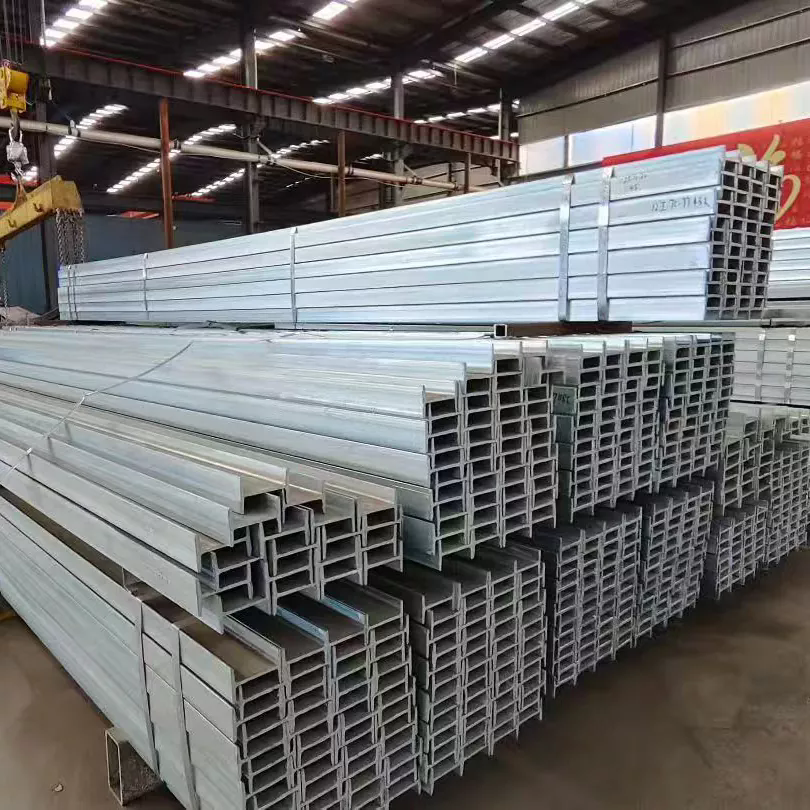
 How Does a Steel I Beam Improve Structural Strength in Modern Construction?
Discover how Steel I Beam solutions increase load-bearing capacity, reduce construction costs, and improve long-term structural performance for industrial, commercial, and residential projects.
 25 2026-05
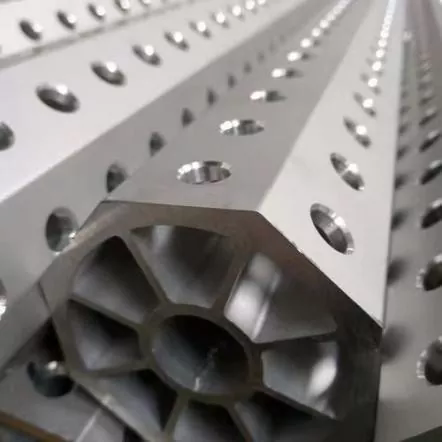
 How Is Octagonal Steel Used in Modern Industrial Projects?
Octagonal steel has become an important material in infrastructure, construction, utility systems, transportation engineering, and heavy industrial manufacturing. Its unique eight-sided geometry provides outstanding structural stability, excellent torsional resistance, and efficient load distribution compared with traditional round or square steel profiles.
 19 2026-05
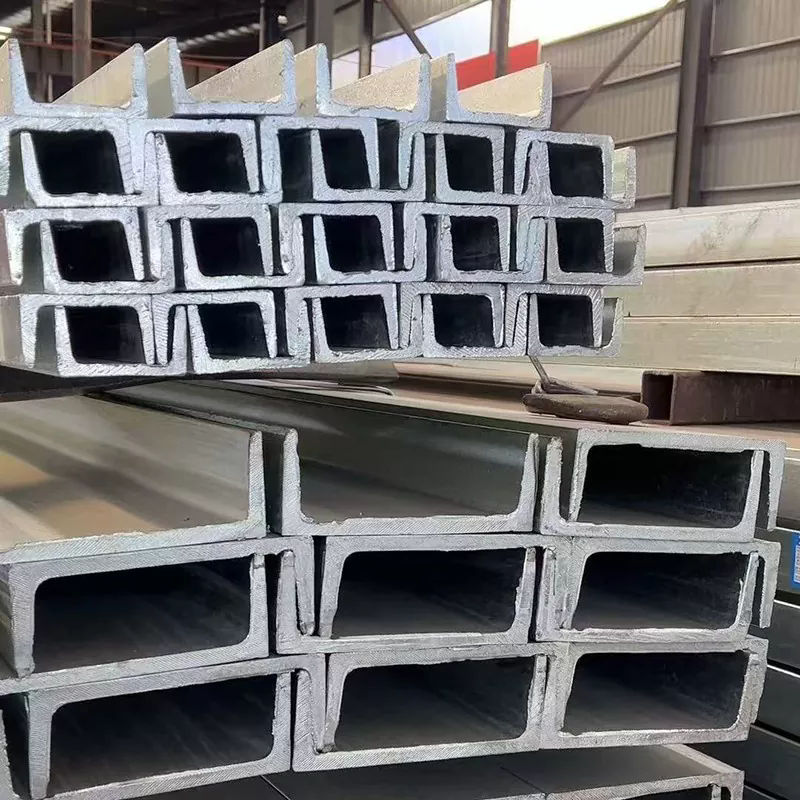
 How Can U-Shaped Steel Enhance Your Construction Projects?
U-shaped steel is a versatile and essential material widely used in construction, manufacturing, and industrial applications. This article explores the benefits, specifications, applications, and selection criteria of U-shaped steel, helping engineers, contractors, and project managers make informed decisions to optimize structural strength and efficiency. With insights from Tianjin Shunchen, a leading provider of high-quality U-shaped steel, readers will gain practical guidance for implementing these materials in various projects.
 18 2026-05
 How Does Strip Steel Improve Manufacturing Efficiency and Product Quality?
Strip Steel plays a critical role in modern manufacturing industries, including automotive, construction, electronics, household appliances, and industrial machinery. Buyers often struggle with issues such as inconsistent thickness, poor surface finish, corrosion resistance problems, and unstable mechanical performance. Choosing the right strip steel supplier can significantly improve production efficiency, reduce waste, and ensure long-term product reliability.