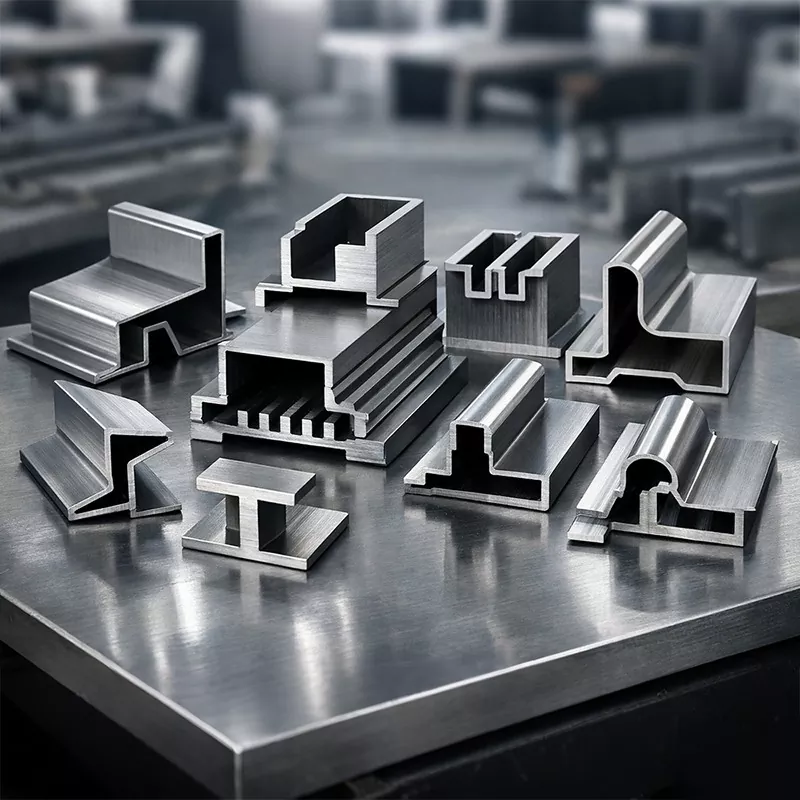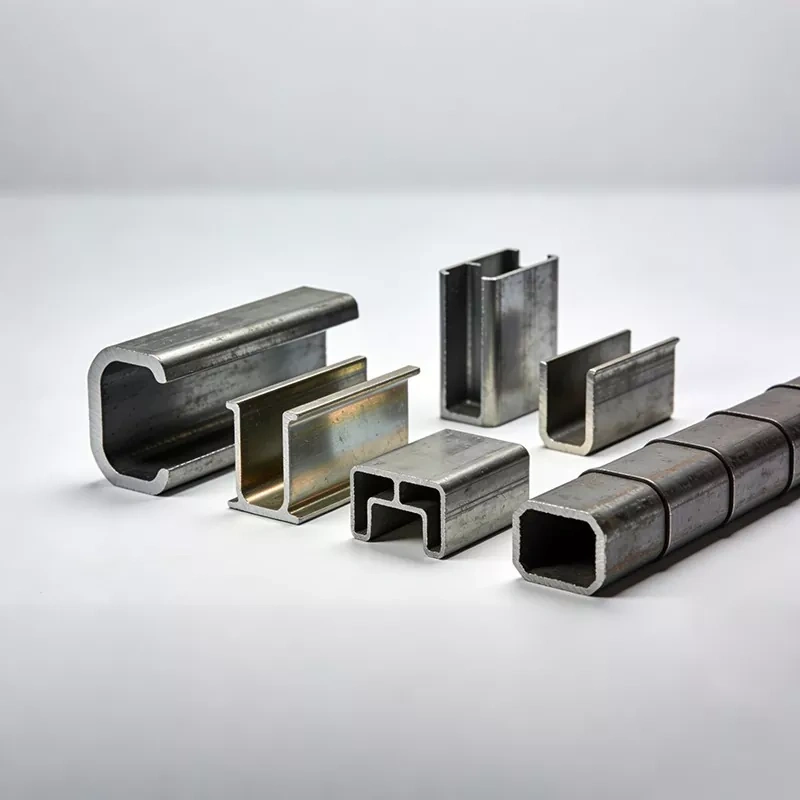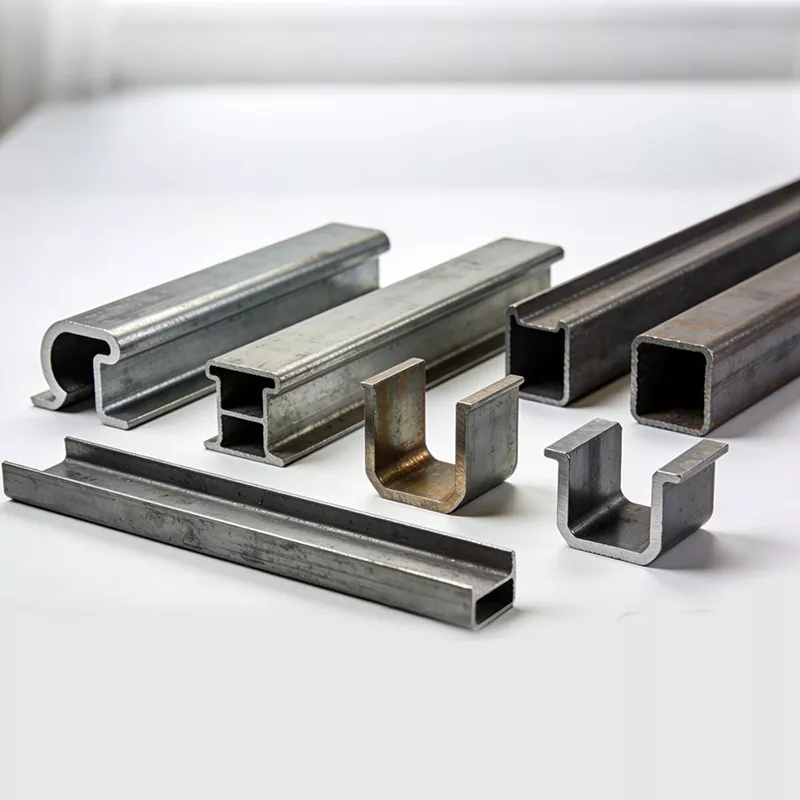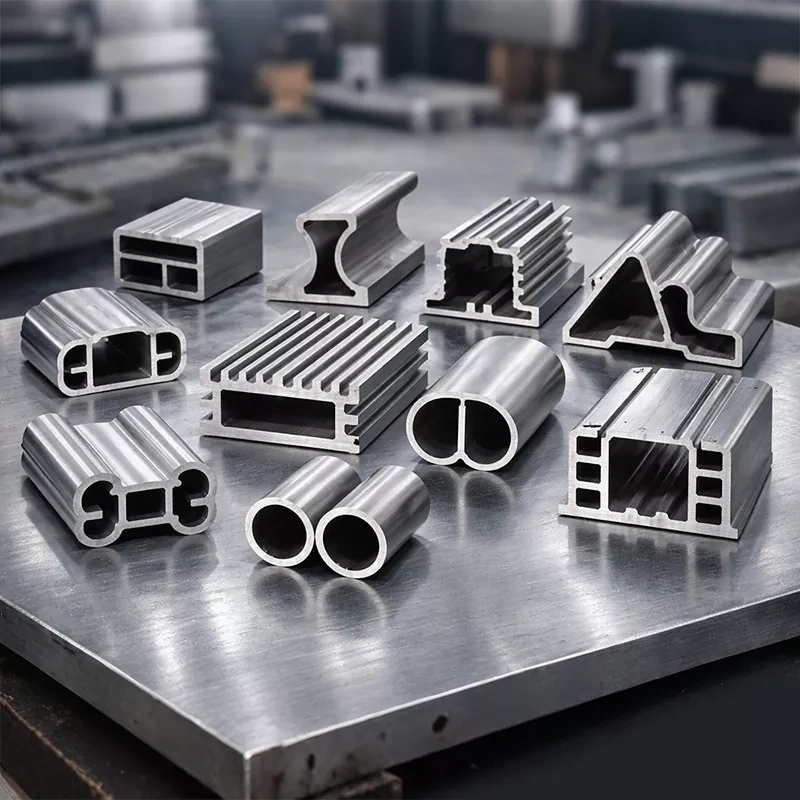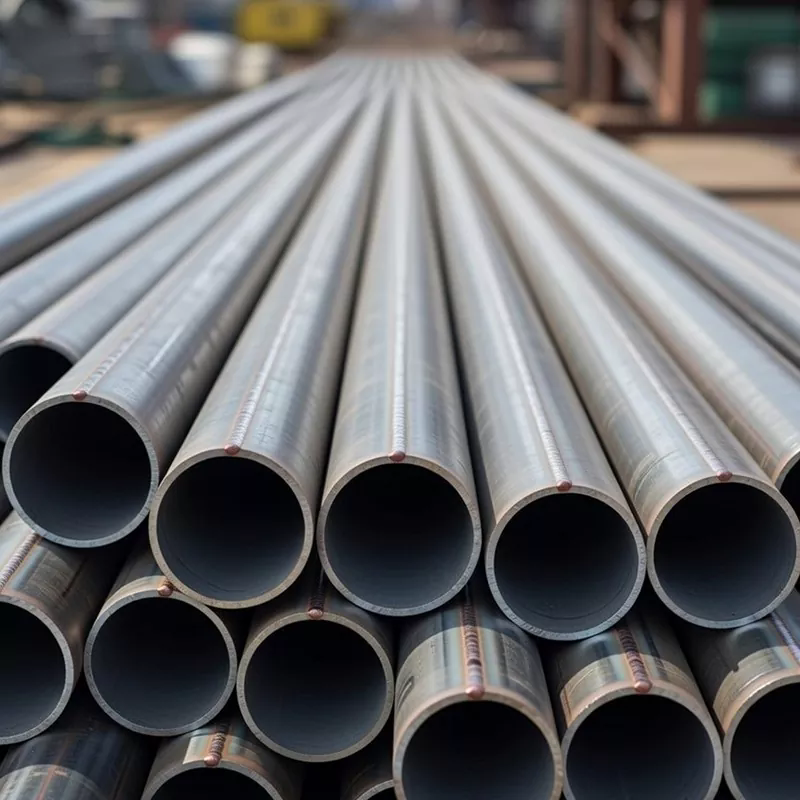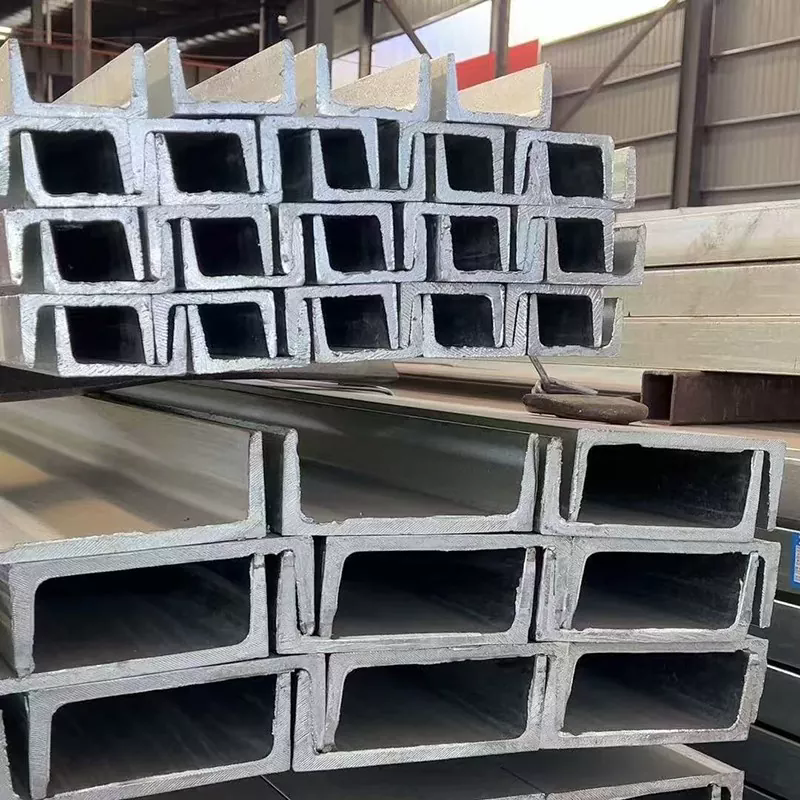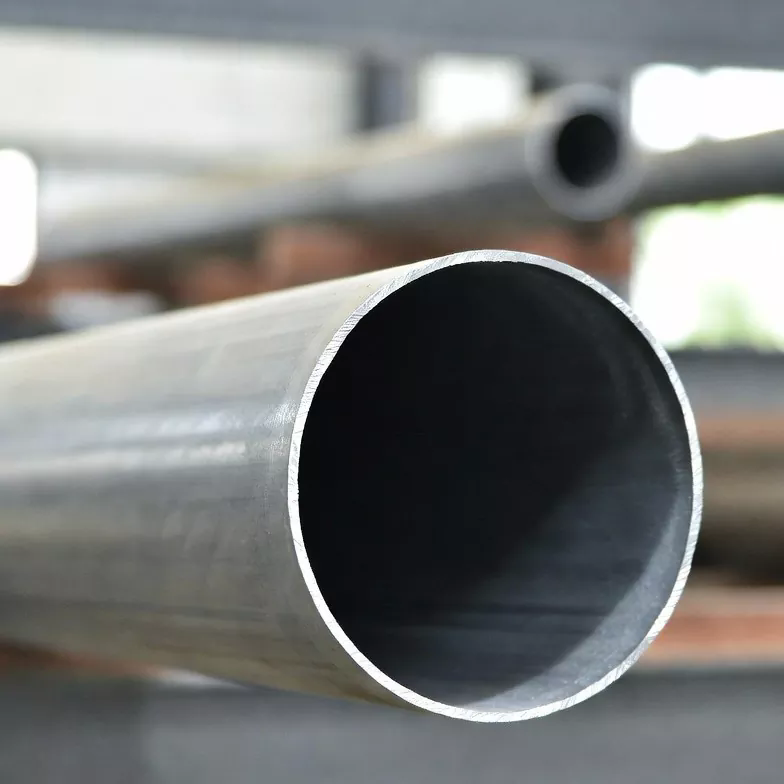


Breaking the fixed specification limitations of standard steel through customized rolling processes, making the shape and performance of profiles highly compatible with your specific structural and functional requirements.
From the perspective of core functions, Custom Roll Formed Steel Sections can accurately match the structural load-bearing, assembly adaptation, and protective decoration requirements of different application scenarios. Its essence is to break the fixed specification limitations of standard steel, making the shape and performance of steel profiles highly compatible with your specific usage needs.
During processing, raw materials undergo a series of continuous processes such as uncoiling, leveling, rolling, cutting, punching (optional), and surface treatment (optional) to ensure stable dimensional accuracy and high consistency of cross-sectional shape. They can be directly applied to the production assembly or engineering construction of end products.

Product Advantages
1 Highly Customized & Precisely Adapted
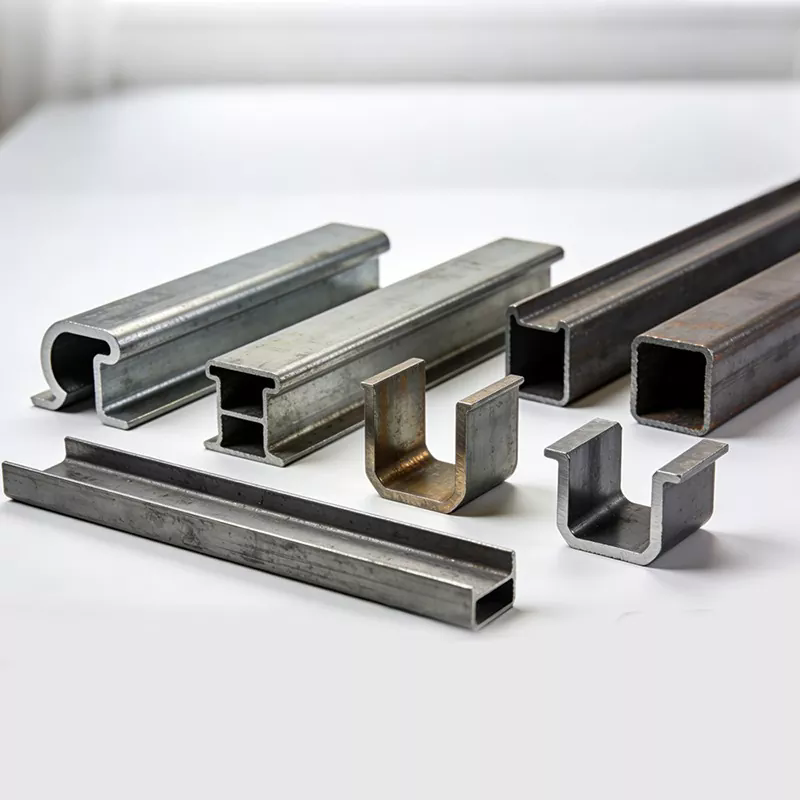
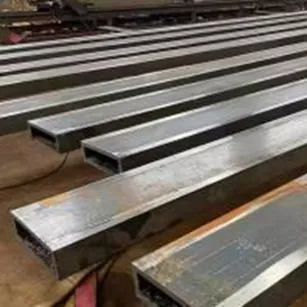
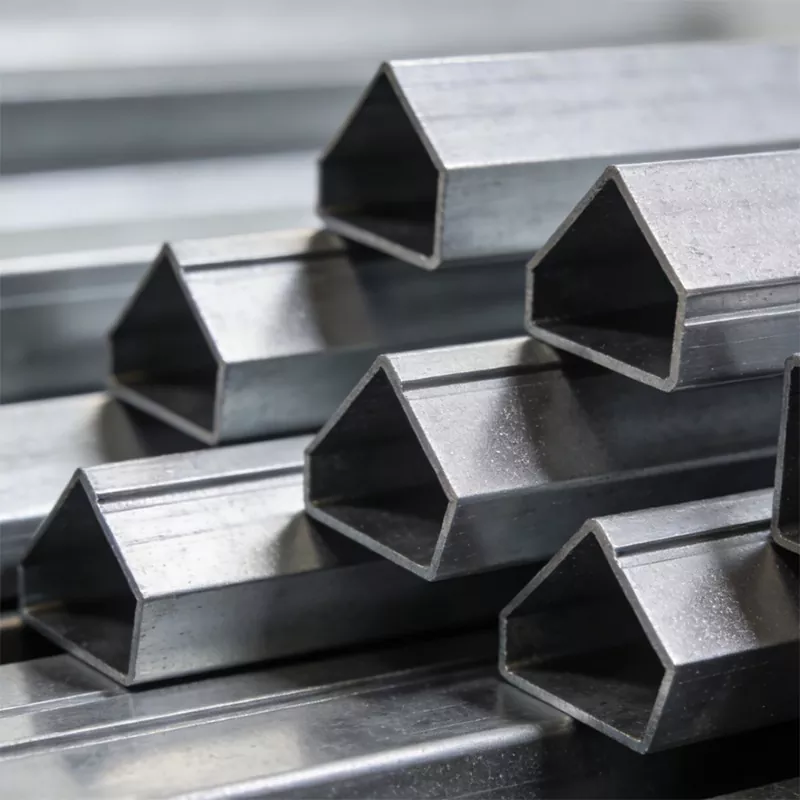
We flexibly customize cross-sectional shapes (C, Z, U, irregular, enclosed), dimensions, material grades (carbon steel, high-strength steel, stainless steel, aluminum alloy), and surface treatments (galvanizing, painting, pickling) according to your drawings. This solves the "size mismatch" pain point of standard steel, achieving perfect adaptation and improving overall assembly efficiency.
2 High Precision Molding & Stability
Using continuous roll bending technology and automated controls, dimensional tolerance is controlled within ±0.1mm. The rolling process optimizes the metal's grain structure, greatly improving tensile strength, yield strength, and bending stiffness. Compared to traditional bending and welding, structural integrity is better, bearing capacity is stronger, and deformation is minimized.
3 High Material Utilization & Cost Control
Customized rolling optimizes material distribution based on stress requirements. Wall thickness is reasonably reduced in non-stress areas, minimizing waste. The continuous production mode reduces scraps, achieving a material utilization rate of over 95%. Combined with automated lines, production cycles are shortened, effectively reducing the total unit cost.
4 High Efficiency & Guaranteed Delivery
The continuous operation mode enables automated production from raw material to finished product. A single line's daily output can reach several to tens of tons. For bulk orders, production scheduling and delivery are rapid. The production cycle is shortened by more than 30% compared to traditional techniques like forging, meeting urgent order and large-scale supporting needs.
5 Diversified Functional Expansion
Through material selection and process optimization, we enhance corrosion resistance (stainless/galvanized), load-bearing capacity (high-strength steel), and decoration (painting). Additional processes like punching, chamfering, and bending can be integrated to directly provide "finished" profiles, reducing your subsequent processing steps.
Application Areas

Building Materials Industry
Suitable for purlins, supporting components, roof and wall joists in steel structure workshops; lightweight partition wall joists in prefabricated buildings; and guardrail frames in bridge engineering. Core requirements are lightweight, high strength, and corrosion resistance, improving structural stress rationality through customized sections. Explore our steel structure solutions.

Transportation Industry
Used for automobile body frames, chassis beams, door anti-collision beams, and cargo box frames; interior frames for rail transit vehicles; corner fittings for containers; and insulation frames for cold chain logistics. Key requirements are high precision, lightweight, impact resistance, and strict adherence to vehicle assembly dimensions.

Machinery Manufacturing Sector
Used as guide rails, supports, and protective cover frames for machine tools; conveyor frames for automated production lines; frames for agricultural machinery; and cab frames for engineering machinery. High dimensional accuracy, good assembly adaptability, and wear resistance are essential.

New Energy Sector
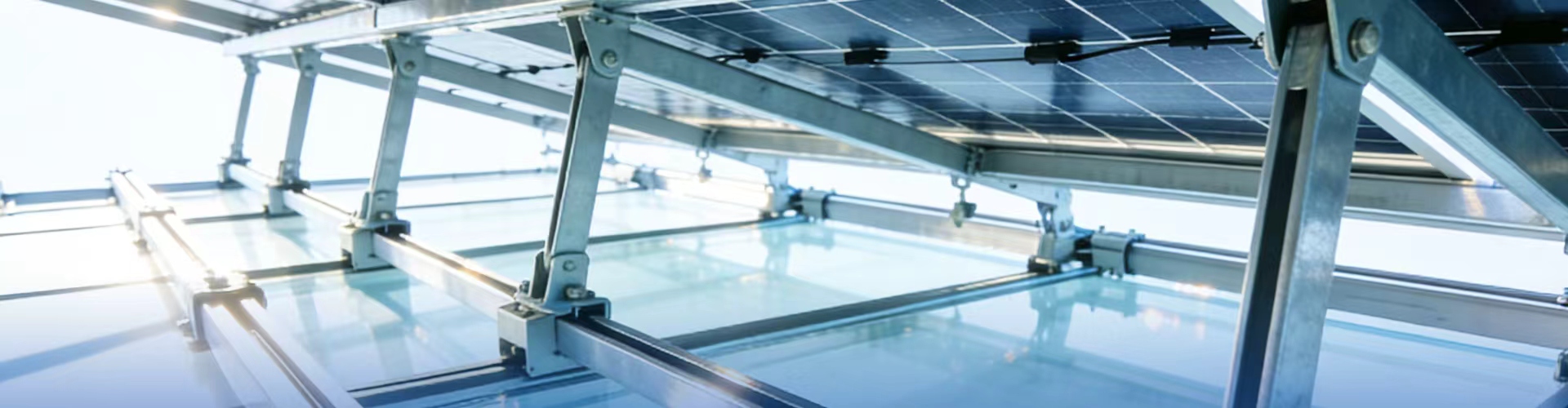
Applied to guide rails, columns, and connectors for photovoltaic brackets; internal support components for wind turbine nacelles; and box frames for energy storage equipment. Core requirements are corrosion resistance, high strength, and customized dimensions. Discover our photovoltaic support profiles.

Home Appliances & Electronics
Used for outer shell frames and internal supports for refrigerators and air conditioners; base frames for washing machines; and brackets for charging piles. Lightweight, high precision, and aesthetic surfaces are required, often integrating punching and bending processes. See our special-shaped steel capabilities.
Why Choose Shunchen
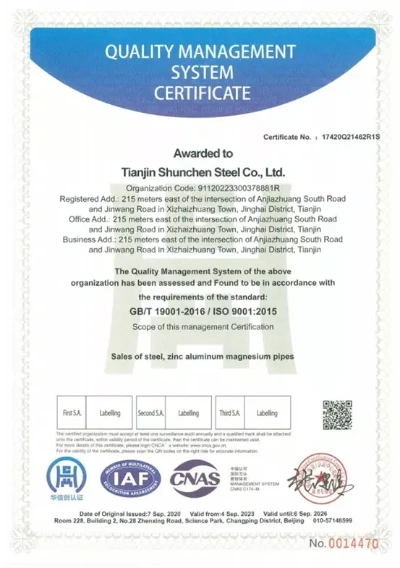
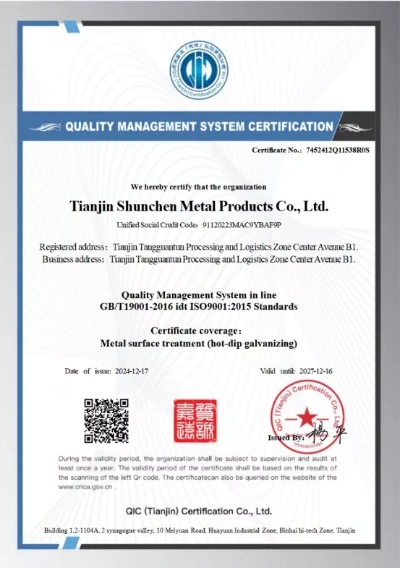
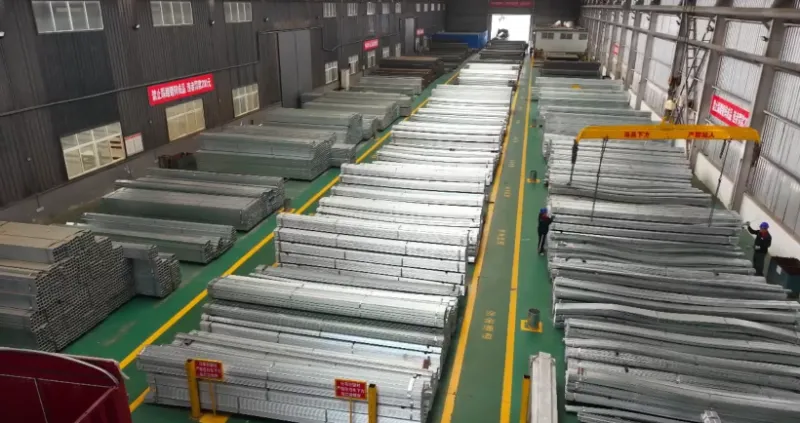
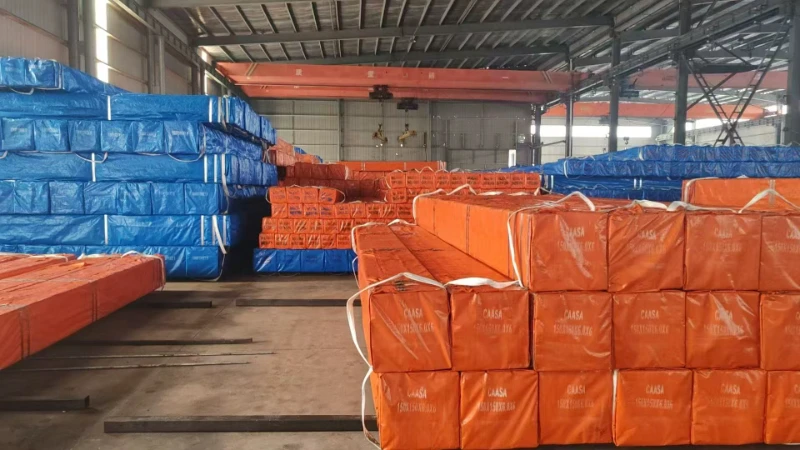
Shunchen has over 30 years of production experience and ISO 9000 and EU CE certifications. The company is based on a full industry chain layout, combined with 12 refined processes and a 3-layer full inspection mechanism, to ensure zero quality and safety accidents annually. Up to now, we have achieved zero default on orders for 12 years. Relying on 236 customized specifications, we accurately match various diverse needs. We also provide one-stop procurement services, covering integrated production and sales as well as 10,000 square meters of warehousing support.
Company Strengths & Supply Capability
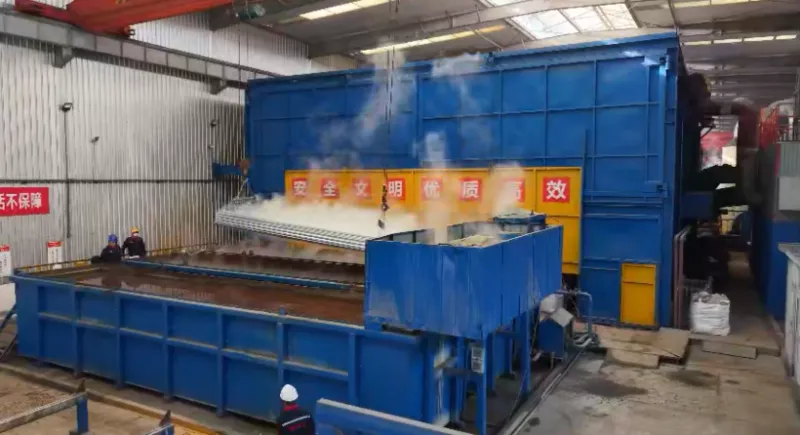
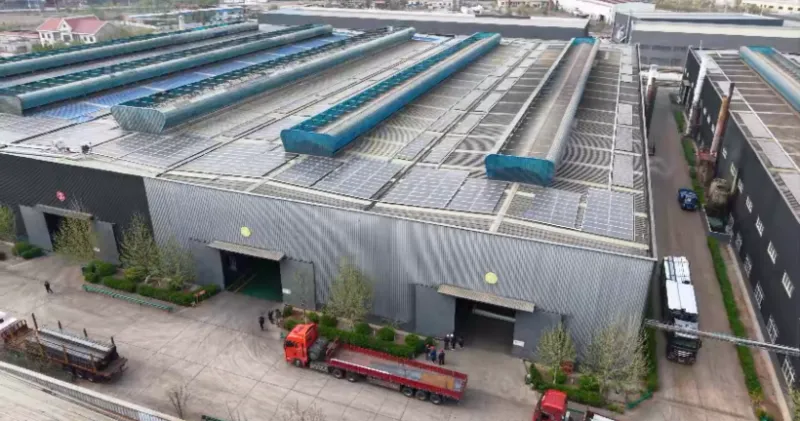
Shunchen's senior management has over 20 years of experience and technology in hot-dip galvanizing production. We possess advanced production technology and quality inspection processes, a leading regional business scale (ranking among the top 10 in the industry), and have established production companies in multiple locations to ship to you from different regions.
Frequently Asked Questions
What are Custom Roll Formed Steel Sections?
They are steel profiles produced by continuously feeding a metal coil through a series of rolls to achieve a specific cross-sectional shape. Unlike standard sections, custom roll forming allows for highly tailored dimensions, complex shapes (like C, Z, U, or enclosed profiles), and integrated features like holes or notches, ensuring a perfect fit for your assembly.
How does roll forming compare to traditional bending and welding?
Roll forming is a continuous, automated process that provides significantly higher dimensional consistency and structural integrity. Because the profile is formed from a single coil without the need for welding multiple plates together, it eliminates weld seams, improves load-bearing capacity, and reduces material waste. It also shortens production cycles by over 30%, making it more cost-effective for large volumes.
What materials can be used for custom roll forming?
We can process a wide range of materials, including ordinary carbon steel (e.g., Q235), high-strength steel, stainless steel, and aluminum alloys. The surface can be further enhanced with hot-dip galvanizing, painting, acid pickling, or phosphating to meet specific corrosion resistance or aesthetic requirements.
What is the typical tolerance for custom roll formed profiles?
By using precision roll design and automated control systems, we can control the cross-sectional dimensional tolerance to within ±0.1mm. This high precision ensures that the profiles fit perfectly with downstream products or engineering structures, significantly improving on-site assembly efficiency.
Can you provide additional processing like punching or bending?
Yes. Our continuous production lines can integrate additional processes such as punching, chamfering, and cutting directly into the roll forming process. This allows us to provide you with "finished" profiles ready for immediate assembly, reducing your subsequent processing steps and labor costs.
Request Custom Roll Formed Steel Sections
Send us your drawing, required material grade, cross-sectional dimensions, and tolerance requirements. Our technical team will review the specification and provide a comprehensive roll forming solution with samples and test reports.